





Learn about the temperatures and clothing for the Aizu region (Aizuwakamatsu, Bandai, Lake Inawashiro)
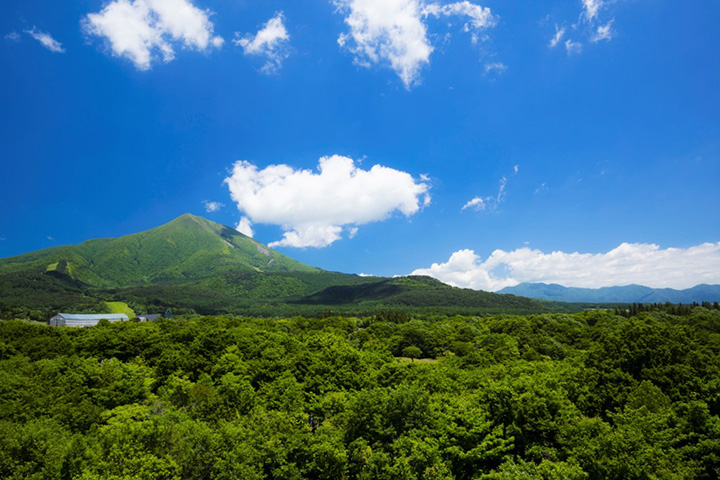
Fukushima Prefecture has the third largest land area in Japan. It is divided into three regions—the Hamadori coastal area on the Pacific side, the Nakadori inland area on the Pacific side, and the Aizu region inland on the Sea of Japan side—each with a different climate. The Aizu region has a Sea of Japan climate and is one of the heaviest snowfall areas in the country. In particular, the area around Mount Bandai (1,819m above sea level) and Lake Inawashiro, the fourth largest lake in Japan, is known as a major resort area where you can enjoy great nature, including winter sports.
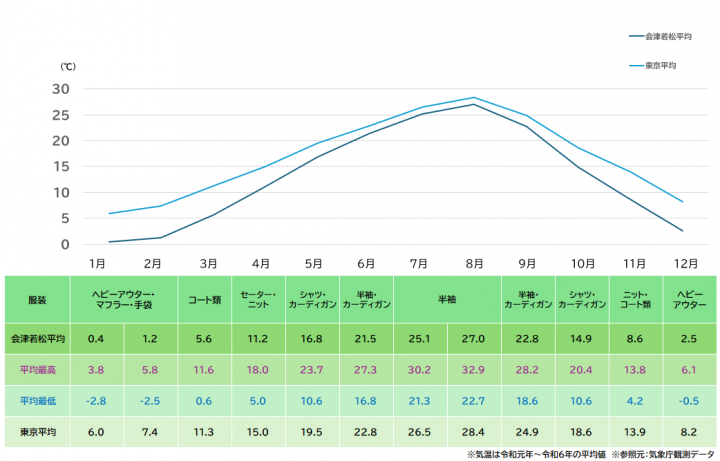
The annual average temperature is 13.1°C, which is 3.8°C lower than Tokyo's average of 16.9°C. The Aizuwakamatsu basin climate extends to the adjacent Lake Inawashiro and Mount Bandai, and the elevation rises toward Mount Bandai. The elevation is about 800m in the mid-slopes of Mount Bandai and the Urabandai area, where hot springs and ski resorts are located. Due to the significant difference in elevation, you will need to prepare different clothing for each season and location, such as for the unique heat in the basin and the severe cold in the higher altitude areas.
About spring (March–May) temperatures and clothing in the Aizu region (Aizuwakamatsu, Bandai, Lake Inawashiro)

Of the three regions in Fukushima Prefecture, the Aizu region experiences the latest spring. The average temperature in March is 5.6°C, meaning the cold winter still continues. If you are heading to Lake Inawashiro or Bandai, where winter sports are popular until Golden Week, a down coat and snow boots are essential.
Tsuruga Castle in Aizuwakamatsu City is dyed in the colors of 1,000 cherry trees in mid-April. The average temperature rises to 11.2°C, and it starts to feel gradually warmer, but at this time of year, low and high pressure systems alternate, leading to unstable weather, so it is necessary to carry rain gear. Also, since temperatures can drop below freezing at night due to radiative cooling, be sure to have a thick coat and scarf ready.
By May, the weather is pleasant, with an average temperature of 16.8°C. There are many sunny days, making it perfect for outings.
About summer (June–August) temperatures and clothing in the Aizu region (Aizuwakamatsu, Bandai, Lake Inawashiro)

The average temperature in the Aizu region in June is 21.5°C, which is about 1.3°C lower than the average temperature in Tokyo. The rainy season begins in mid-June, and precipitation tends to increase in July when the rainy season front is likely to stall. In the high-altitude areas of Bandai and Lake Inawashiro, the average temperature is about 5°C lower than in Aizu-Wakamatsu city, and the temperature drops sharply when it rains. When going out, be sure to bring a windbreaker with excellent windproof and waterproof properties.
Once the rainy season ends, temperatures rise. The basin, in particular, has consecutive hot and humid days, making T-shirts and sleeveless tops comfortable. The average temperature around Lake Inawashiro and Bandai, where you can fully enjoy the great outdoors with lake activities and hiking, is around 23°C. However, since the temperature can drop to the 10°C range at night, you will need something to wear over your clothes, such as a hoodie.
Regarding temperatures and clothing in the Aizu region (Aizu-Wakamatsu, Bandai, Lake Inawashiro) in autumn (September to November)

Compared to Tokyo's average temperature of 24.9°C in September, the Aizu region's average temperature is about 4.1°C lower. Autumn arrives a little earlier here, and the autumn leaves begin to change in Bandai and Lake Inawashiro from mid-September. Around this time, there are many rainy days due to the autumn rain front and typhoons, so it is convenient to carry rain gear along with cold-weather accessories such as a stole.
By late October, when the first snow is observed on Mt. Aizukomagatake, Mt. Iide, and Mt. Bandai, the average minimum temperature in the center of Aizu-Wakamatsu city also drops below 10°C. During this time, the Aizu basin gets so cold in the mornings and evenings that morning fog occurs, making scarves and thick jackets essential.
For clothing around late November, when the first snow is observed in the city, be sure to take thorough measures against the cold. If you are going out by car, be sure to have tire chains or studless tires ready.
Regarding temperatures and clothing in the Aizu region (Aizu-Wakamatsu, Bandai, Lake Inawashiro) in winter (December to February)

In December, when the Siberian High becomes dominant and seasonal winds blow, the Aizu region transforms into a silver world. Known as a heavy snowfall area where about half of the annual precipitation falls as snow, the Okuaizu region in particular can see over 1 meter of snow accumulate in a single night. The average temperature remains severely cold, at 2.5°C in December, 0.4°C in January, and -1.2°C in February.
When heading to the Bandai and Lake Inawashiro areas, which are bustling with snow activities, be sure to wear thick inner layers, a sweater, a down coat, and snow boots. Additionally, take measures to protect yourself from the cold from head to toe, such as wearing gloves, a knit hat, and using pocket warmers.
The Aizu region, with its long winters and deep snow, is home to many hot springs and is packed with unique winter activities like skiing and smelt fishing. Dress warmly and enjoy playing in the snow.

Local supporter in charge of this article

- "Bandaisan Onsen Hotel" Local Supporter TeamAt the foot of a famous peak, a village of fine sake and history
Bandaisan Onsen Hotel
Yama District, Fukushima Prefecture
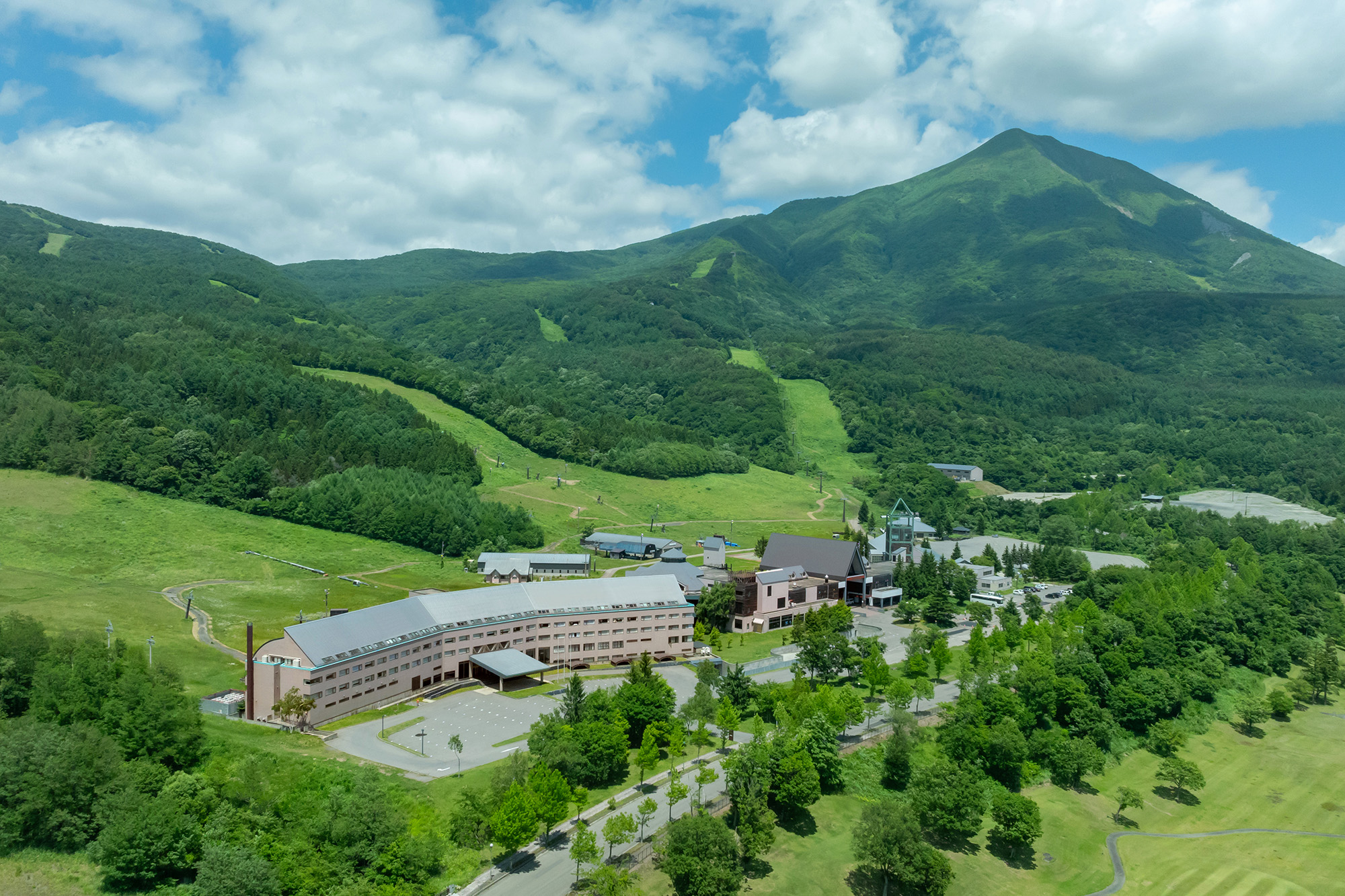
A hotel at the foot of Mt. Aizu-Bandai, overlooking Lake Inawashiro. You can enjoy the rich nature and Aizu culture.


Access About 15 minutes by taxi from JR Bandaimachi Station
- Accommodation rate example
- Per person per night From ¥12,000