





[2025 year edition] 9 elections of spot of colored leaves going around Ibaraki-ken in autumn
![[2025 year edition] 9 elections of spot of colored leaves going around Ibaraki-ken in autumn](https://hoshinoresorts.com/guide/wp-content/uploads/2021/09/tk_main.jpg)
Ibaraki-ken where history, art and the latest science and technology symbiose vividly. It's plenty from the spot which can feel history of its location to the place where you can get exercise and refresh yourself in Ibaraki where the distance between the mountain, the sea and the town was also colored in various Bunka around here. While it's town walk, even the park I'd like to visit casually and the scenery which would like to extend its journey and see a little will introduce a superb view spot in autumn in Ibaraki.
Tsukuba area
1Mount Tsukuba
The grand landscape which was also sung by Man-yo-shu is sensed.

The mountain where the grand form which towers over Kanto-heiya has been also sung by Man-yo-shu and has enjoyed people. The trees turn red in turn from the top at the end of October, and best time is met in November.
The shrine where the history which deifies itself as the divine object and tells belief from antiquity soon has Mount Tsukuba in the "Mount Tsukuba shrine" in the side. When using the near "Miyawaki Station" empty cable car right now, it's about 8 minutes to the peak, looking at excellent colored leaves from a car window, Direction, possible. Besides I also have a mountain climbing course of a ropeway and plural, so the distance to the peak can be enjoyed casually according to the purpose and the physical strength.
[Best time of colored leaves] the beginning of ordinary year November-last ten days
[The kind of trees] ivy, a Japanese oak, a gamble varnish tree and a maple.

This place
Supporter
There is back of 2, Nantai-san and Nyotaisan in Mount Tsukuba. A ropeway follows a cable car and Nyotaisan in Nantai-zan respectively from the base. There is also hot spring which can make a day trip after mountaineering, so it's also recommended to have a good sweat and return.
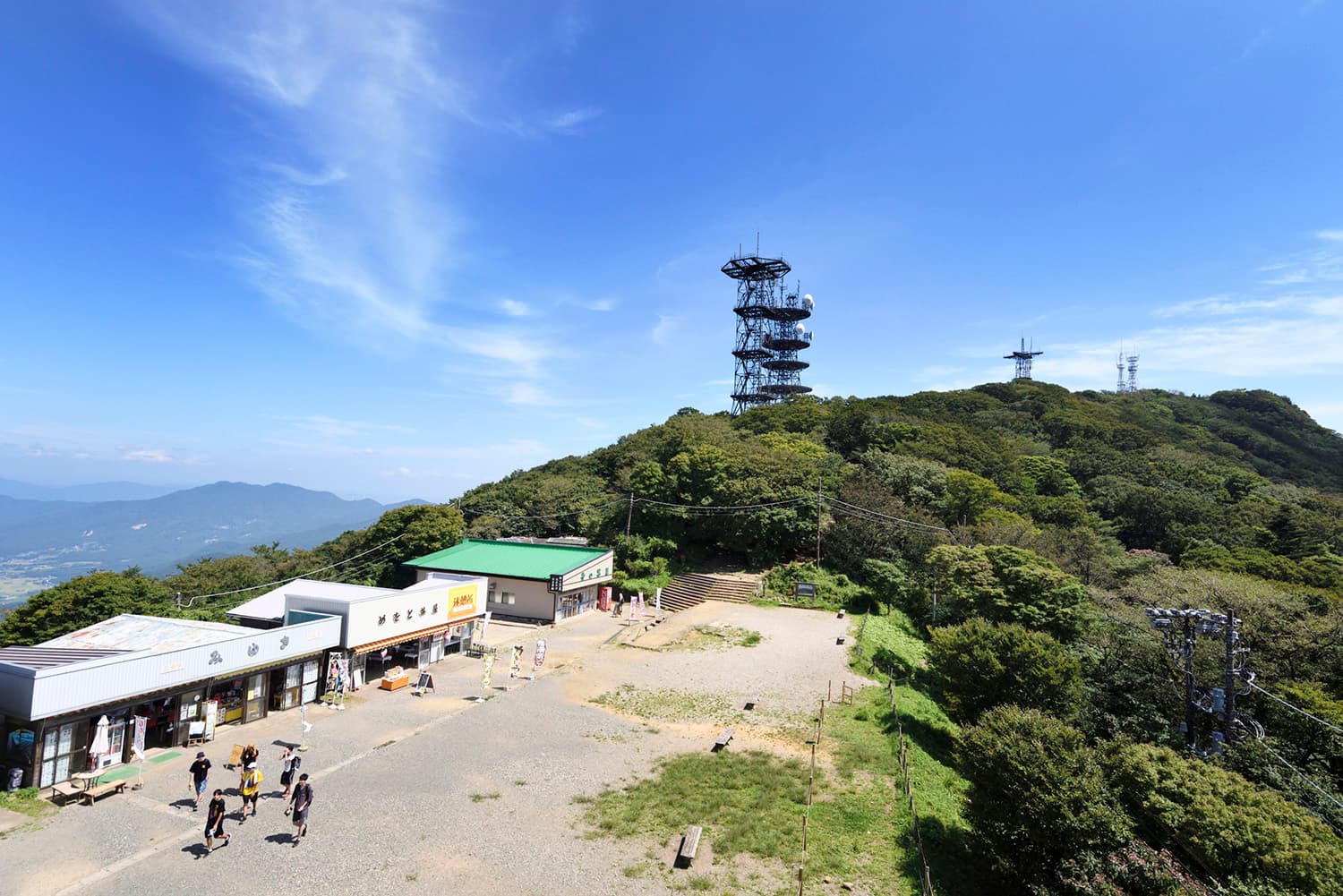
- Mount Tsukuba
-
 1, Tsukuba, Tsukuba-shi, Ibaraki MAP
 It's a car more than JR Tsuchiura Station, about 43 minutes (around Mount Tsukuba cable car Miyawaki Station)
 Mount Tsukuba cable car 9:00-17:00
※ There is special movement at the time of numerous visitors. Mount Tsukuba cable car Regular holiday-less (I have that in case of maintenance kyuu in winter.)
 Mount Tsukuba cable car Adult/one way of 590 yen and a round trip ticket of 1070 yen
Child/one way of 300 yen and a round trip ticket of 540 yen (Less than 6 years old are free.) 029-866-0611 (Tsukuba Kanko Railway corporation)
 Payment required
 The operation time of the cable car and the ropeway and the charge are subject to confirmation in HP of a Tsukuba Kanko Railway corporation (.https://www.mt-tsukuba.com/)
2Science Expo memorial park
Gingko Namiki who enjoys at Gakuen-toshi

The park where I maintained the held site of "Science Expo Tsukuba '85" in 1985 (1985) and was made. It's open and is the size also enough to have time slowly in the park. The gingko with which a square is surrounded meets turning at the middle of ordinary year November, and the form of the person who enjoys a walk and a running from early morning is also thought to enjoy a golden avenue fully.
A symbol in a park, "scientific gate". Scientists' face of 4 people, Edison, Archimedes, Newton and Galileo is surfaced in the center at the gate by the direction looked in. Please check it together with the state of the trees which suit silver in the gate where you shine.
[Best time of colored leaves] the middle of ordinary year November-last ten days
[The kind of trees] a gingko.
This place
Supporter
A wide lawn square, a pond, a Siberoan iris garden and an all-weather tennis court are in the park. It's also recommended to take Lunchboxes and playground equipment and spend slowly.

- Science Expo memorial park
-
- 6, Miyukigaoka, Tsukuba-shi, Ibaraki MAP
- Tsukuba Express They walk from Bampaku-kinen-koen Station, about 20 minutes.
 Tsukuba Express Embussment "Science Expo memorial park" gets off Bampaku-kinen-koen Station.
- 029-856-1005 (the Tsukuba-shi park Property department)
- Free
3Cave back park
Coloring in autumn is felt at an oasis in the city.

Comprehensive park with the size of the 20ha. It's abundant in green in particular around the cave back marsh in the center in the park, and the trees show various expressions every season. A golden gingko row of trees which leads to a cave back marsh from an entrance of the park is also possible by a picnic at a square in autumn while meeting the person who visits and enjoying a beautiful contrast with the colored leaves which color in red at each place in the park.
Field Athletics, an adventure square with combination playground equipment and sports Property of indoor heated pool are also in the wide park, and it's possible to have time for 1 day in spite of a season.
[Best time of colored leaves] the middle of ordinary year November-last ten days
[The kind of trees] a gingko and a maple.
This place
Supporter
3 walking jogging courses paved with soft rubber chip urethane centering on a cave back marsh are maintained. It's different in the length and a route respectively, so when taking a walk, it's possible to make do and choose.

- Cave back park
-
- Sign 2-20 in Tsukuba-shi, Ibaraki two MAP
- Tsukuba Express It's a car from Tsukuba Station, about 9 minutes.
- Tsukuba Express Embussment and "cave back park" get off Tsukuba Station, immediately.
- Pay Property in the park is 1st Wednesday every month (It's absent in the next week in case of a holiday.), December 31 and January 1.
- 029-852-1432
- Payment required
- It's subject to confirmation in HP about Property available hours in the park and the charge.
Mito area
4Ibaraki prefectural history house
Feelings are driven in history while walking a carpet of a gingko in a front page.

The museum where history of Ibaraki is told and the history house where I have the function of the documentary house. Material and an artwork about Hitotsubashi Tokugawa family are also kept a lot, and the part of the valuable material is opened.
About 60 gingko rows of trees which lead to a main building turn yellow beautifully in autumn, and it's colored by a carpet of aspect yellow. An event and the history house gingko festival" lit up are held variously in ordinary year November. The gingko illuminated by light is fantastic, and the person who enjoys photography visits much, too.
[Best time of colored leaves] the beginning of ordinary year November-middle ten days
[The kind of trees] a gingko.
▼ History house gingko festival
Time frame: 2025 year November 1 (Sat)-24 day (Mon)
This place
Supporter
I have the one which is a Three Great Gardens of Japan right now in the neighborhood "Kairakuen". I walk from the prefectural history house to the front gate since opening "the Kairakuen front gate", and it's the distance between several minutes, so how about extending the journey all together?
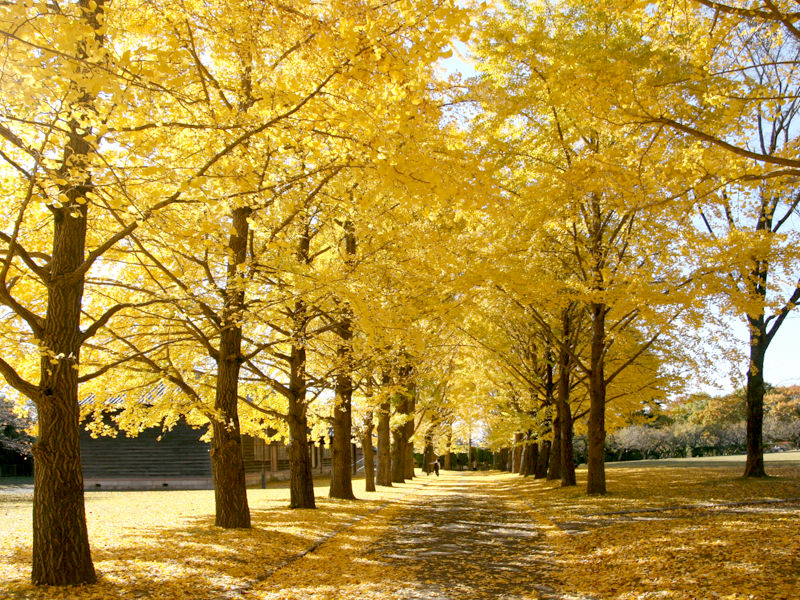
- Ibaraki prefectural history house
-
- 2-1-15, Midoricho, Mito-shi, Ibaraki MAP
- It's a car from JR Mito Station, about 7 minutes
- Embussment and history house Kairakuen entrance" get off JR Mito Station, about 2 minutes on foot
- Garden opening time On February 20-on September 30 6:00-19:00 and October 1-February 19 7:00-18:00.
A main building 9:30-17:00 (for an entry, to 16:30). - Monday (When Monday is a holiday, I'm absent from a hall on the next day.)
- Garden no charge and main building display pay (It's subject to confirmation in HP for more information.)
- 029-225-4425
- Free
5Kairakuen
The garden tradition colors and valley of a vivid maple

The garden made 1842 (1842) age by seigneur Tokugawa Nariaki. A maple in Semba lakeside as well as in the garden, a maple and a gingko can also look the state which colors around from the "Koubun bower" built in a hill. The deep red autumnal tints of "valley of colored leaves" which are at the place where steps were advanced to the expansion part in a garden from Motozono with Koubun bower are also excellent. It's lit up at the last ten days from the middle of ordinary year November.
A garden can be removed from to Giyokusen Deguchi to a valley of colored leaves, and I cross a pedestrian overpass and enter at "Tokugawa museum street". Taking a bus and when getting off Mito Station by "Sakurayama", Direction is possible by a dale of colored leaves directly.
[Best time of colored leaves] the beginning of ordinary year November-last ten days
[The kind of trees] a maple and a maple.
This place
Supporter
The autumnal tints of Kairakuen which is honored from Semba lake" it neighbors as well as the scenery overlooked from Kairakuen are also worth a glance. When there is time, please also see the form of the Koubun bower dyed in the sunset while taking a walk through Semba lakeside.

- Kairakuen
-
- 1-3-3, Tokiwacho, Mito-shi, Ibaraki MAP
- It's a car from JR Mito Station, about 10 minutes
- From JR Mito Station, embussment and "a history house and Kairakuen, entrance" getting off for about 7 minutes on foot
- The middle of February-September 30 6:00-19:00 and the middle of October 1-February 7:00-18:00
- Open everyday
- An adult of 320 yen and elementary and junior high schoolers of 160 yen
- 029-244-5454
- No charge and pay
- The details about available hours of "Koubun bower", the nearest bus stop and an entrance are subject to confirmation in HP.
Joso area
6Mitsukaido climate museum Sakano family housing
The colored leaves I see in the scenery to which I have time-travelled
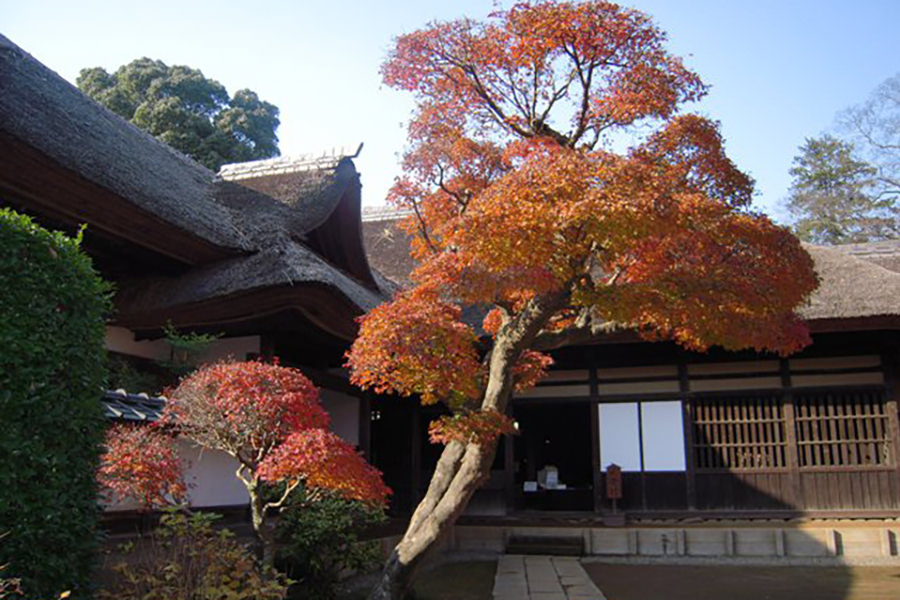
The wealthy farmer's residence which is also called "important, oh, residence" at localness. There are a main house restored in the middle form in the 19th century, a study reconstructed in the Taisho Era, an excellent garden where at that time was reproduced and bamboo plantation in the site where I come to 1ha, and they feel like seeming to time-travel at all.
You can look down upon the garden colored in red slowly in colored leaves season from the 2nd floor of the study built on the west side of the main house "Geppa tower". The scenery seen over a glass door in the Taisho Era is the impression from which a member was different again. Further, a main house, the front gate and fuhei are also registered with important cultural property of national designation.
[Best time of colored leaves] at the beginning ofordinary year November-at the end of November.
[The kind of trees] a maple, Japanese enkianthus and a gingko.
This place
Supporter
Sakano family housing which is also learned about as a location place by the play, the commercial and the movie. Bamboo plantation in the site in addition to a main house and a study is also the famous photography spot which is often used by a Samurai movie.

- Mitsukaido climate museum Sakano family housing
-
- Ibaraki-ken Joso city 2037, Onogomachi MAP
- Kanto Railway It's a car from Mitsukaido Station, about 10 minutes.
- 4-October 9:00-18:00 (to reception 17:00) and 11-March 9:00-17:00 (to reception 16:00)
- Monday (When Monday is a holiday, I'm absent from opening on the next day.) and New Year's
- The public of 300 yen and elementary, junior high and senior high school school life of 100 yen
- 0297-24-2131
- Free
Kasama area
7Kitayama park
The reflection in the water in which the scenery of the mountain where I color is reflected

The park the whole park is covered up and where is dyed in red and orange in November in a broad-leaved forest. A swan lake in the park can enjoy a contrast of the autumnal tints and the blue sky reflected in a surface of the water at the scenic area which is also chosen as Ibaraki sightseeing hundred pieces.
The near esplanade fits casual walk by going around for about 25 minutes right now. It's also one of how to enjoy oneself the autumnal tints in Kasama-shi to run through the inside in the grove where I colored vividly by "roller slide" of the full length 161m which is also the feature of the other Kitayama parks where I look at the autumnal tints of the city from observatory.
[Best time of colored leaves] at the beginning ofordinary year November-at the end of November.
[The kind of trees] a maple and a maple.
This place
Supporter
For a slope to lead to the center of the park from the base, when there are no one with anxiety and time in physical strength, Direction by car is recommended. It's possible to be satisfied with the landscape which was colored by a maple and a maple which lead to from a car window to Parking.
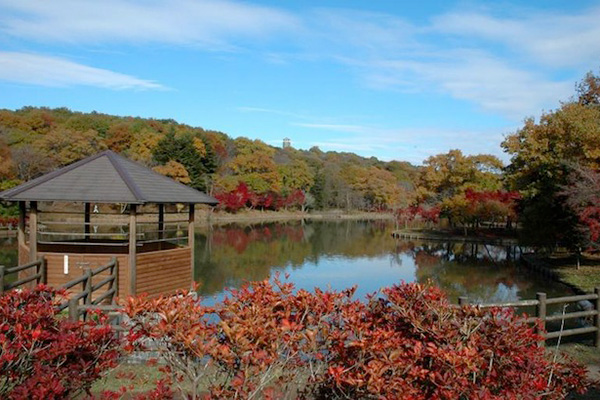
- Kitayama park
-
- Kasama-shi, Ibaraki 1416-1, Tairamachi MAP
- It's a car from JR Tomobe Station, about 10 minutes
- From JR Tomobe Station, a "or, a condition sightseeing tour, bus" ride and "Kitayama park, entrance" getting off for about 20 minutes on foot
- 4-September 9: 00-18:00 or 11-February 9:00-16:00 and 3•10 months 9:00-17:00
- 0296-78-3911 (Kitayama Park Management Office)
- Free
8Sajiro foot of a mountain park
The park where a castle town is watched at the base of Kasama castle

The park in Mt. Sashiro's base also close to a city with Kasama-inari shrine. Origin is the place where a suburban residence of Kasama feudal clan was here, and "bell tower" of the city designated cultural property makes them remember at that time. When I set foot, I'm pausing by the form that excellent gingko with a branch and maples were dignified on the thick trunk suitable for the place where history is here.
From a park, Mt. Sashiro, hiking trails which leads to peak is also maintained, and it's possible to extend its journey to the old Kasama ruin of the castle near the peak. It's possible to enjoy an excursion for viewing scarlet maple leaves while driving feelings in history.
[Best time of colored leaves] at the beginning ofordinary year November-at the end of November.
[The kind of trees] a maple and a gingko.
This place
Supporter
I walk to the "Kasama-inari shrine" ranked as the Japanese three great god of the harvest, too, and, about 15 minutes. There are also many restaurants as it is in front of the shrine, so please also enjoy worship and town walk.

- Sajiro foot of a mountain park
-
- 1015-2, Kasama, Kasama-shi, Ibaraki MAP
- It's a car from JR Kasama Station, about 5 minutes
- From JR Tomobe Station, a "or, a condition sightseeing tour, bus" ride and "Nichido, museum of art" getting off for about 1 minute on foot
- 0296-72-9222 (Kasama tourist association)
- Free
Whereabouts area
9Sairenji (JI which isn't put in)
The personality of the overwhelming a big gingko of age of the tree 1000 nenchou has

History dated back until the 8th century and that was established in 782 (Enryaku origin) year, transmitted historic old temple. When I pass through Niomon Gate of national designation important cultural property from Parking and advance towards the inside, 2 gingkoes beyond an age of the tree for 1000 years equal gently, and you meet.
You assume that one planted Sairenji's founder and saisen saint, and an excellent trunk beyond 6m and 8m grows thick with leaves respectively in autumn, and these gingkoes loved by a name of "Sairenji's big gingko" take on and dye the aspect in beautiful yellow. The spot which is overwhelmed by the quiet force of the big gingko honored from the bottom.
[Best time of colored leaves] at the end ofordinary year November-at the beginning of December.
[The kind of trees] a gingko.
This place
Supporter
Namegata city is one in the city which neighbors the 2nd in a big lake "Kasumigaura" in Japan. The "Kasumigaura big bridge" of the full length 1,015m which spans Kasumigaura is popular as a scenic route.

MAP
- Tsukuba area
- Mito area
- Joso area
- Kasama area
- Whereabouts area
- Hoshino ResortsProperty around here

Local Guide which took charge of this article
- Saito momonoCuriosity ousei challenge girl
BEB5 Tsuchiura by Hoshino Resorts
Ibaraki-ken and Tsuchiura
Convenient location of the JR Tsuchiura Station direct connection. The cycling hotel where you can stay as well as bicycle.
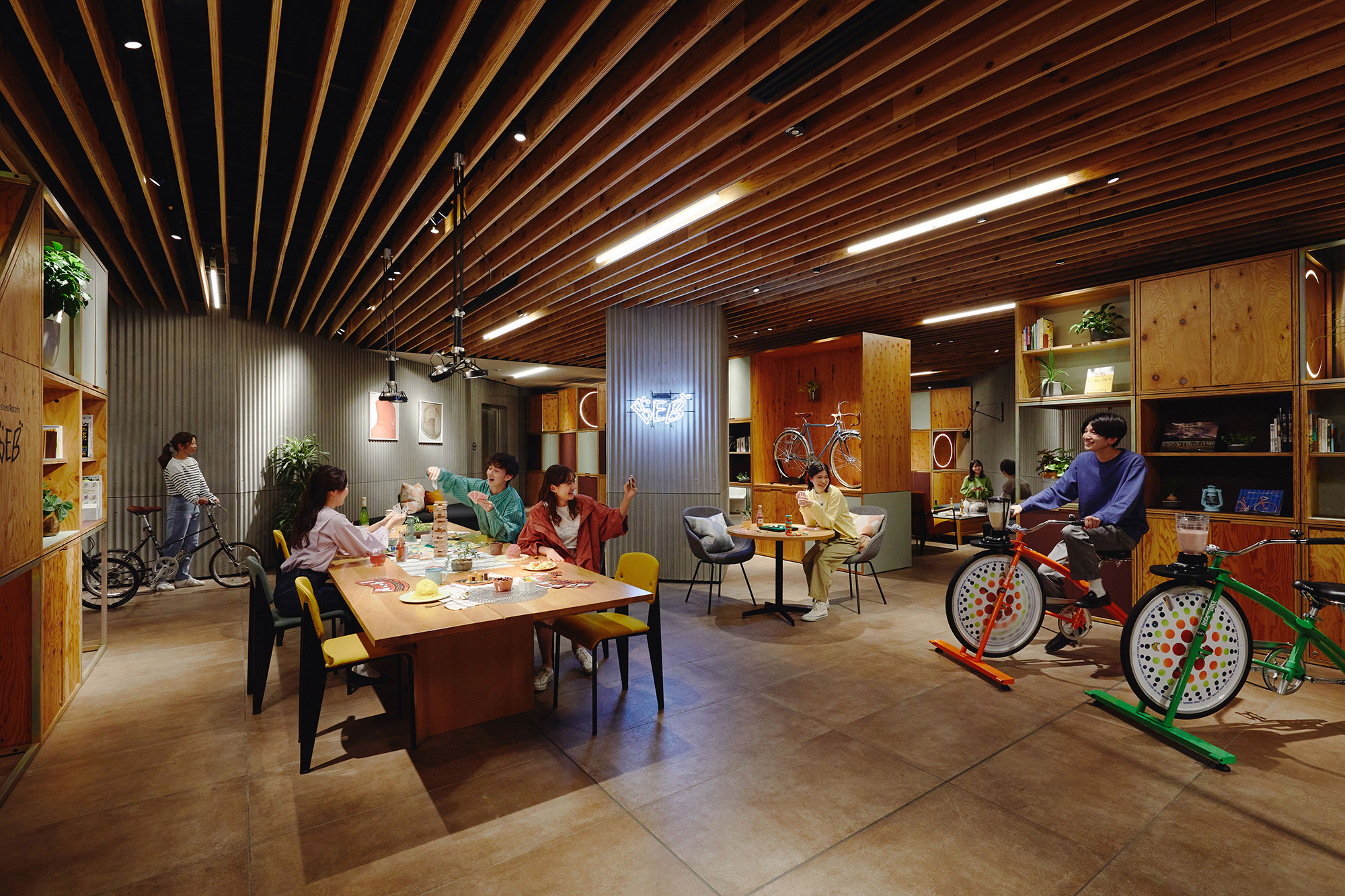
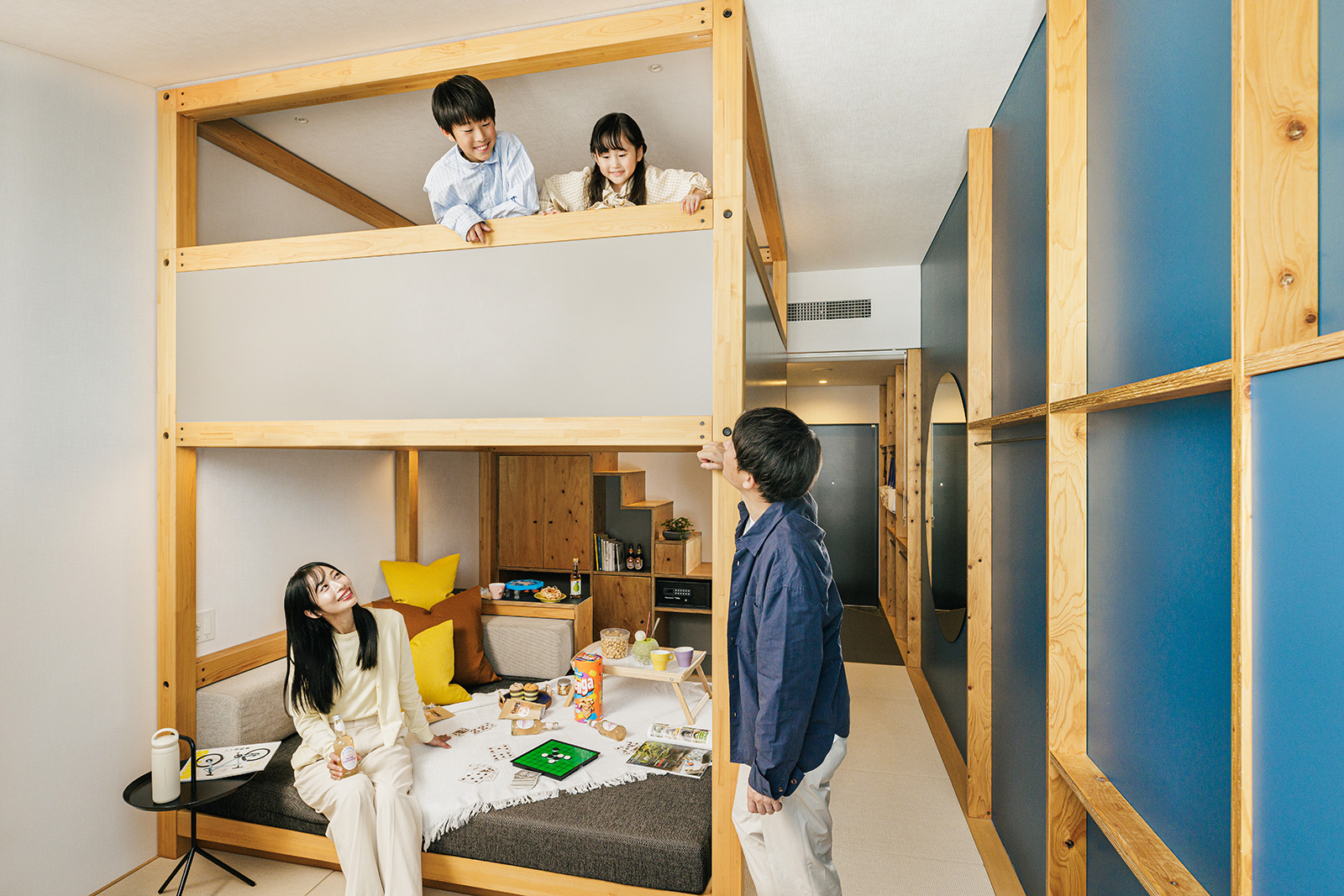

Direction JR Tsuchiura Station Direct connection
- A room charge example
- 1 night, 1 person \4,757-