





7 Sweet Shops in Tokyo Where You Can Enjoy Mitsumame and Anmitsu, Tokyo-Born Delicacies

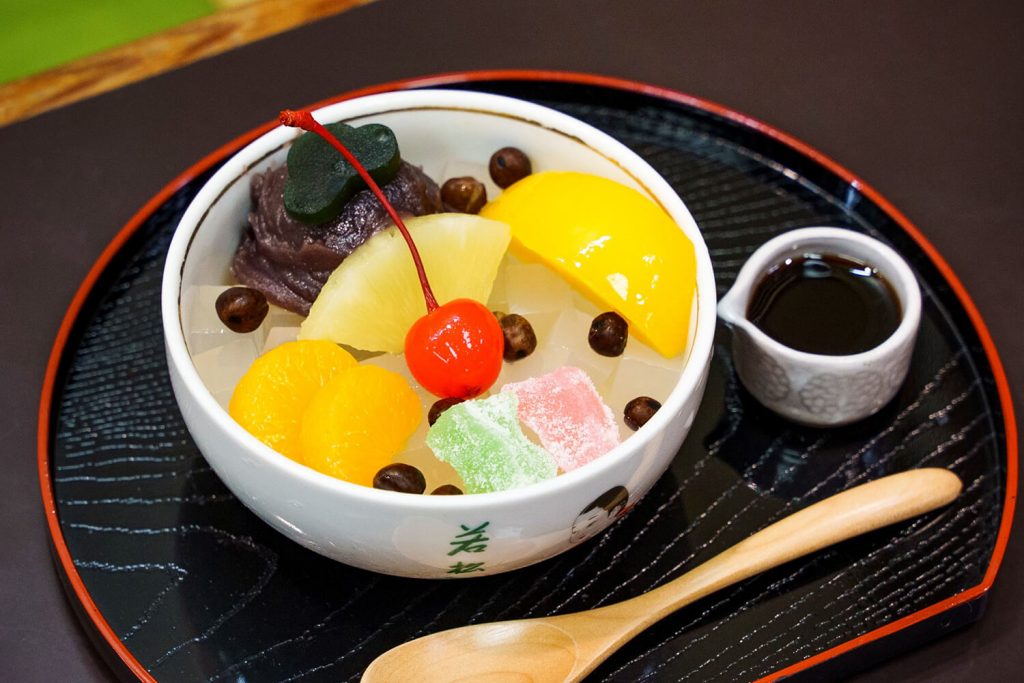
Mitsumame and anmitsu were born in Tokyo and have now spread across the country. The original form of mitsumame was a snack for children sold at the end of the Edo period, and the modern version, featuring a variety of ingredients like agar and fruit, was born in the Meiji period. Later, anmitsu, which is mitsumame topped with sweet bean paste, also appeared, and both have been loved for a long time. Here, we introduce recommended sweet shops in Tokyo where you can enjoy traditional, handmade mitsumame and anmitsu.
1Funawa Main Store Tea Room
A historic, renowned shop that created modern mitsumame

Funawa Honten, founded in 1902 (Meiji 35) and known for its imo-yokan (sweet potato jelly), is actually the originator that created the modern mitsumame and the first cafe to serve it. While mitsumame at the time was just rice flour cakes and red peas drizzled with syrup, Funawa devised a modern version served in silver tableware, featuring cubed agar, red peas, sweetened apricots, and gyuhi (soft mochi), which was eaten with a spoon after drizzling with white or black syrup. In their tea room, you can enjoy the "Original Mitsumame," which remains almost unchanged from that time.
Enjoy a break with matcha and anko-dama, which come in a variety of flavors

Speaking of Funawa, their "Anko-dama," sweet bean paste wrapped in agar, has also been a long-selling item since their founding. The "Anko-dama and Matcha" set is popular in the tea room, where you can choose two flavors of Anko-dama from six options: the standard "Azuki," "White Kidney Bean," and "Matcha," as well as the refreshingly tart "Strawberry" and "Mandarin Orange," and the "Coffee" flavor, which can be enjoyed like a Western confection. The low-sugar bean paste has a smooth melt-in-the-mouth texture and pairs perfectly with matcha.
A stylish cafe that retains the atmosphere of the original mitsumame hall

In 1903 (Meiji 36), the year after its founding, Funawa opened the "Mitsumame Hall," which gained popularity as a cafe serving high-end mitsumame. Today, the second and third floors of the main store serve as a tea room, a retro-modern space incorporating the atmosphere of that time, where staff in classical uniforms welcome guests. In addition to mitsumame, you can also enjoy their signature "Imo-yokan" and the "Sweet Potato Gozen" lunch menu (available until 2:00 PM, limited quantity), which includes sweet potato rice, kenchin-jiru soup, and mini anmitsu.

- Funawa Main Store Tea Room
-
 Funawa Main Store 2F/3F, 1-22-10 Asakusa, Taito-ku, Tokyo MAP
 Approx. 5-minute walk from Asakusa Station on the Ginza Subway Line and Tobu Isesaki Line
 10:30-19:00 (L.O. 18:30)
Sat, Sun, Holidays until 19:30 (L.O. 19:00) Open every day
 03-3842-2781
 None
2Umezono Asakusa Main Store
Golden-colored awa-zenzai that is delicious when served piping hot

It all began in 1854 (the first year of the Ansei era) when a teahouse was opened in a corner of Baion-in, a sub-temple of Senso-ji. The "awa zenzai" (millet sweet bean soup) created by the founder was a dish loved by the stylish people of Edo, and it remains a popular sweet that is essential to sightseeing in Asakusa today. At Umezono, we use mochi-kibi (glutinous millet) instead of regular millet, steaming it every morning in cypress steamers before pounding it lightly into mochi. The standard way to enjoy it is to serve the mochi—which retains a grainy texture while achieving the perfect balance of stickiness and softness—with smooth red bean paste while it is still hot.
Colorful mitsumame that looks beautiful in a light green bowl

Mitsu-mame and anmitsu are also long-beloved items. You can enjoy the harmony created by the pleasant texture of agar made from domestic seaweed, lightly salted red peas, and a rich black sugar syrup blended from several types of sugar. The red peas are a specialty, cooked every morning by skilled artisans, and the "mame-kan" (red peas with agar), which uses plenty of these beans, also boasts enduring popularity. The pale green bowls used for the mitsu-mame and anmitsu also charmingly highlight the fruit and gyuhi (soft rice cake).
A cozy, local-favorite sweet shop

The shop is located along Ichifuku-koji, one street west of Nakamise-dori, which connects Kaminarimon Gate and Senso-ji Temple. The sweet shop has a homey atmosphere frequented by many locals, and you can feel the history of it having been loved as a teahouse. From mid-May to the end of September each year, shaved ice is also available for the summer season. It is served in a style where you pour the separately provided syrup over fluffy shaved ice, and it is so popular that it draws lines. While "awa zenzai" is available as a seasonal takeout item around autumn, enjoying it freshly made in the shop is the ultimate luxury.

- Umezono Asakusa Main Store
-
- 1-31-12 Asakusa, Taito-ku, TokyoMAP
- Approx. 2-minute walk from Asakusa Station on the Subway Ginza Line and Tobu Isesaki Line
- 11:00-17:00 (L.O. 16:30)
Sat, Sun, Holidays until 18:00 (L.O. 17:30) - Wednesdays (or the following day if it is a public holiday)
- 03-3841-7580
- None
3Ginza Wakamatsu
Enjoy the original anmitsu, created at the request of a regular customer
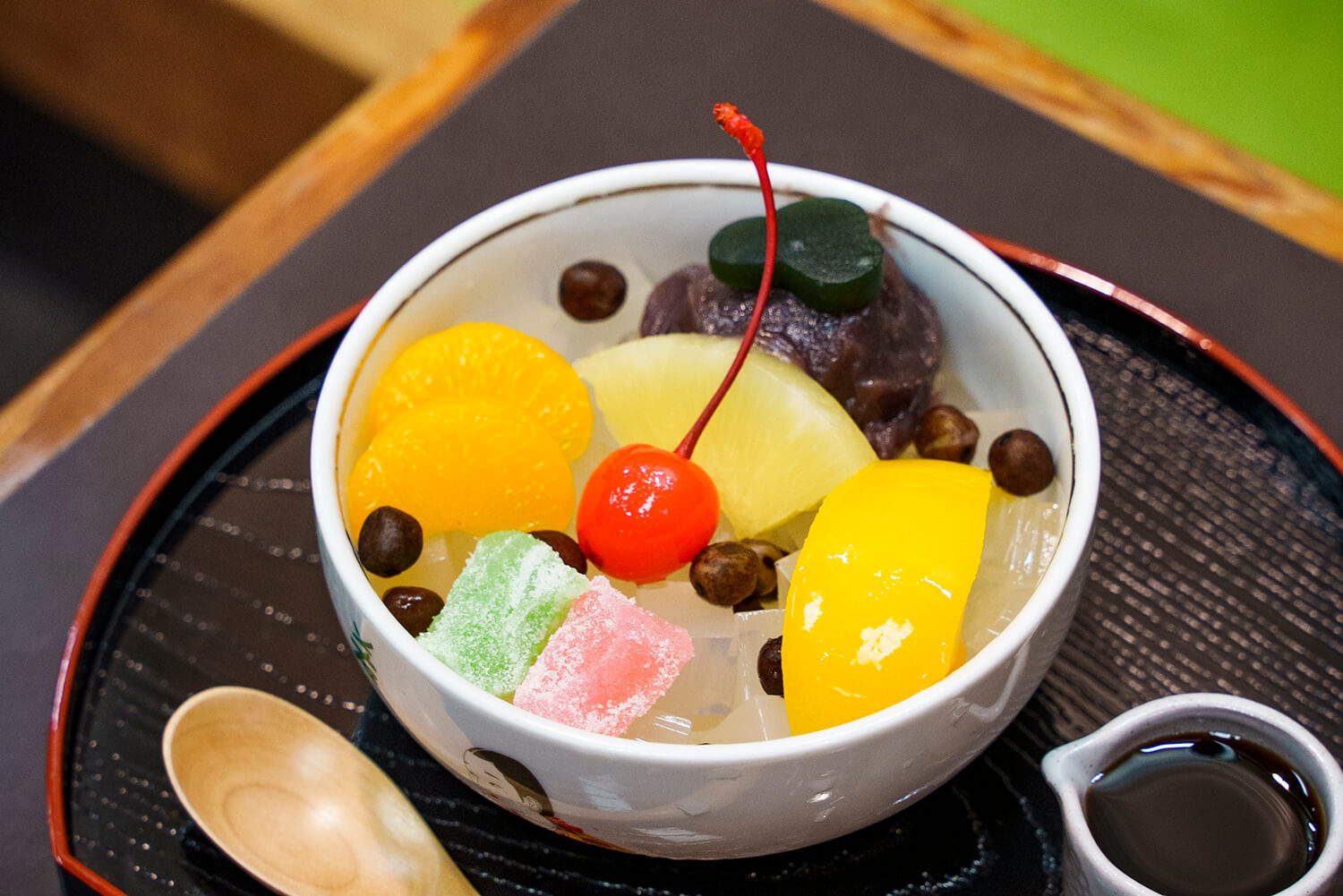
The founder, who ran a shiruko (sweet red bean soup) shop in Ueno, established the business in Ginza in 1894 (the 27th year of the Meiji era). In 1930 (the 5th year of the Showa era), in response to regular customers' requests for "something even sweeter," the second-generation owner invented anmitsu by topping mitsu-mame with homemade smooth red bean paste and drizzling it with plenty of black sugar syrup. The "original anmitsu," made using the recipe from that time, is characterized by its satisfyingly sweet bean paste. By cooking Hokkaido Tokachi-grown adzuki beans for a short time, we achieve a smooth texture that goes down easily.
The summer-only shaved ice anmitsu is also popular

In summer, we also recommend the "Ice Anmitsu," which is shaved ice topped with anmitsu ingredients. Like our standard anmitsu, it uses carefully selected domestic ingredients, such as agar from Izu and Miyakejima, and red peas from Furano, Hokkaido. The natural sweetness of the brown sugar syrup, made from Amami Oshima brown sugar, enhances the richness. You can feel the sense of style in the presentation of the fruit and red peas, as well as our signature pine-shaped yokan.
A relaxing oasis in the heart of Ginza

The shop is located inside the "Core Building," but it has been operating in this spot long before the building was even constructed. The interior is spacious and retains the atmosphere of a traditional, nostalgic sweet shop. It is a welcoming place even for solo diners, frequented by regular customers spanning two or three generations, as well as shoppers stopping by. In addition to our "Original Anmitsu," we also offer seasonal versions, such as cherry blossom bean paste in the spring and purple sweet potato paste in the autumn. We have a wide selection of take-out products, which are also perfect as gifts.

- Ginza Wakamatsu
-
- Core Building 1F, 5-8-20 Ginza, Chuo-ku, TokyoMAP
- Directly connected to Exit A4 of Ginza Station on the Subway Ginza, Hibiya, and Marunouchi Lines
- 11:00–18:00
- Open every day
- 03-3571-0349
- Available (paid)
4Kanmidokoro Mitsubachi
Healthy ogura ice cream with zero milk fat

We started as an ice business in 1909 (Meiji 42). In 1915 (Taisho 4), we created Japan's first Ogura ice cream, and we continue to uphold that original production method to this day. The ingredients are simple—just adzuki beans, salt, sugar, and water—with zero milk fat. It has a light, melt-in-your-mouth texture, allowing you to enjoy the authentic flavor of the adzuki beans while remaining refreshing. The "Ogura Kanoko" served in our shop is a must-try for bean lovers; it features Hokkaido Dainagon adzuki beans cooked carefully so they don't lose their shape, served over our Ogura ice cream.
Mitsumame served with plenty of rich black sugar syrup

For our mitsumame and anmitsu, we use agar made from Izu-grown seaweed and red peas from Hokkaido. The Hokkaido adzuki beans used in our bean paste are hand-sorted one by one, and only the highest quality beans are carefully cooked. A signature feature of our shop is serving the brown sugar syrup in a traditional wooden bucket (yuto) typically used for soba water, allowing you to luxuriously pour as much of the rich, Okinawa-brown-sugar syrup as you like. We also recommend adding a scoop of Ogura ice cream as a topping.
Snack spots to stop by while exploring Yushima and Ueno

At the time of its founding, the shop was named "Shimadaya," but after seeing honeybees gathering on wild chrysanthemums blooming in the post-war ruins, the name was changed with the wish that "many customers would gather like honeybees." It is conveniently located for a stop after visiting the nearby Yushima Tenjin Shrine or while strolling through Ueno Onshi Park. In the summer, "Kori Azuki" (shaved ice with plenty of adzuki beans) is also available. The syrup is not poured over the ice; instead, you eat it while mixing in the adzuki beans, leaving a refreshing aftertaste. This is a recommended spot for those who want to fully enjoy adzuki beans.

- Kanmidokoro Mitsubachi
-
- 3-38-10 Yushima, Bunkyo-ku, TokyoMAP
- Approx. 2-minute walk from Yushima Station on the Chiyoda Subway Line
- Nov.–Feb. 11:00–20:00
Sat., Sun., and holidays from 10:30
Mar.–Oct. 10:30–20:00 - Open every day
- 03-3666-3082
- None
5Kanmidokoro Hatsune
Mitsumame featuring apricots that are addictive once you try them

Founded in 1837 (the 8th year of the Tenpo era), this is the oldest existing traditional Japanese sweets shop in Tokyo. The shop's name was chosen by the first proprietor, inspired by the "Hatsune no Tsuzumi" (Hatsune drum) that appears in the Kabuki play Yoshitsune Senbon Zakura. The menu, which grew in response to customer requests, features nearly 20 variations of anmitsu and mitsumame alone. Sweets using apricots are among them, created in response to pregnant women who wanted to eat "sweet and sour fruit," given the shop's proximity to Suitengu, a shrine famous for prayers for safe childbirth.
Anmitsu with shiratama dumplings that has many repeat customers
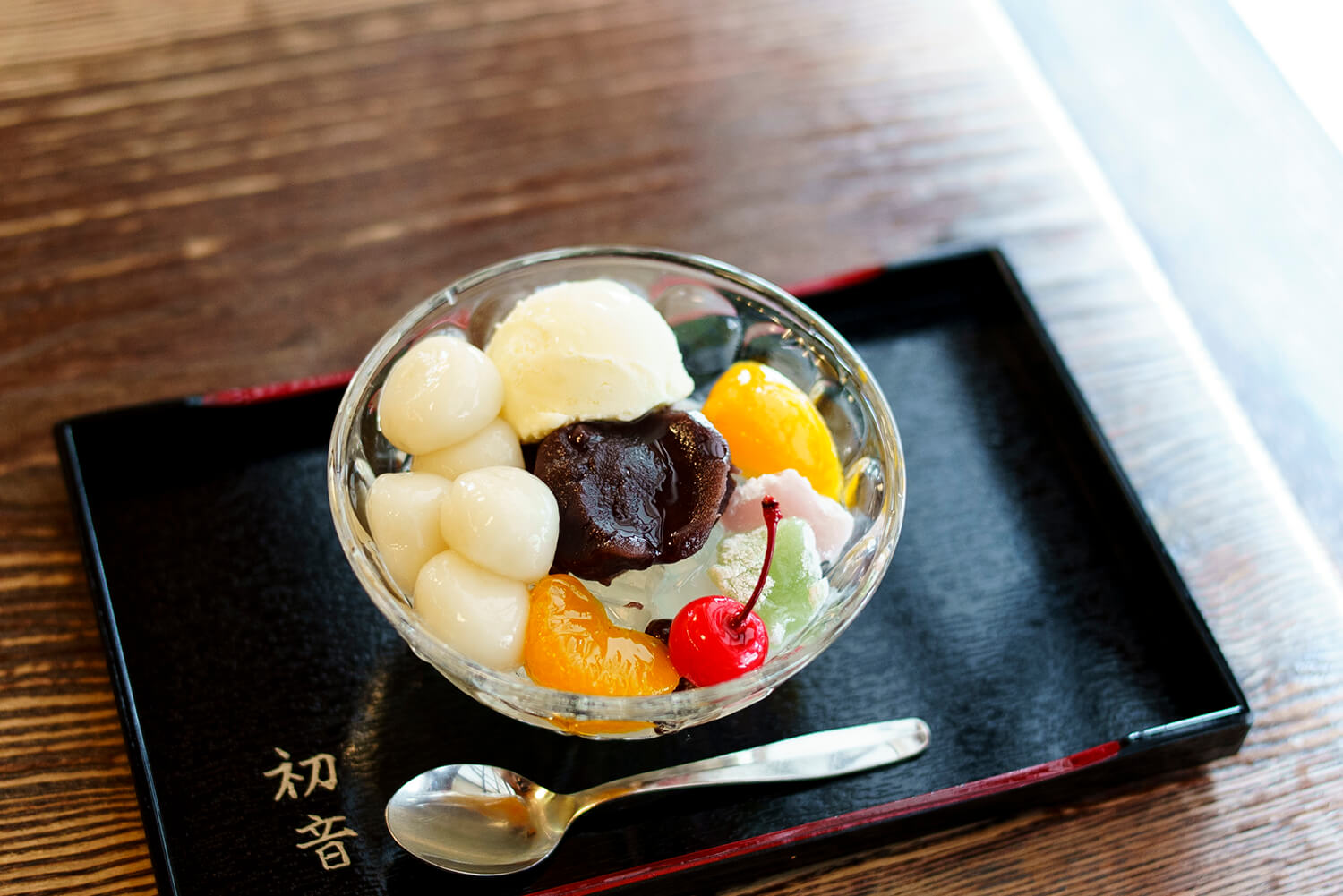
Among the many items on the menu, the "Shiratama Cream Anmitsu" is a dish with many fans. The smooth bean paste (koshian), made from Hokkaido Tokachi adzuki beans that are cooked and left to rest overnight, is finished as a rich, sticky paste so that it has a smooth texture when combined with the refreshing agar jelly. The shiratama dumplings are also boiled only after an order is placed, so they are smooth, easy to swallow, and have a delightful chewy texture. You can choose from two types of syrup: white syrup for a refreshing taste, or black syrup if you prefer a rich, deep flavor.
Warm up with tea hospitality brewed with water from a tea kettle

The shop has continued to operate in almost the same location as when it was founded, and the current building was constructed in 1963 (the 38th year of the Showa era) when the Hibiya Subway Line opened. Inside, the shop features designs inspired by the "Hatsune no Tsuzumi" drum, from which the shop's name is derived, creating a serene, traditional Japanese atmosphere. The 7th-generation proprietress handles customer service, and you will be soothed by her hospitality, which includes serving sencha tea brewed with water boiled in a tea kettle. Shaved ice is available for a limited time from late April to early October each year, and "Kuzumochi" is available from October to May.

- Kanmidokoro Hatsune
-
- 1-15-6 Nihonbashi Ningyocho, Chuo-ku, Tokyo MAP
- Right by Suitengumae Station on the Hanzomon Subway Line
- 11:30–18:00 (L.O. 17:30)
- Open every day
- 03-3441-0539
- None
6Kanmidokoro Irie
Mitsumame where you can simply enjoy the texture and aroma of agar

Starting as a konjac and agar manufacturing business in the early Showa period, we opened our sweet shop in 1970. We take pride in offering sweets where everything, except for the fruit, is handmade, starting with our signature agar. Our agar, made from a blend of agar-agar seaweed from Kozushima and Oshima, is boiled and then cooled overnight, resulting in a smooth texture that is both elastic and delicately crumbly. We use high-quality red peas from Furano, Hokkaido, which are cooked until they are soft and fluffy all the way through.
Choose anmitsu if you want to fully enjoy smooth bean paste

Our homemade bean paste comes in two varieties, smooth (koshian) and chunky (tsubuan), and you can choose between them when ordering your sweets. We knead Hokkaido Tokachi-grown adzuki beans for eight hours, resulting in an exceptionally fine and smooth texture. The style of cutting the bean paste into a half-moon shape with a spatula before serving also adds a touch of charm. You can also choose between white and black sugar syrup, allowing you to enjoy different flavors depending on the combination of bean paste and syrup.
A relaxing sweet shop essential for exploring the downtown area

The name 'Irie' embodies the wish to 'create a place like an inlet where boats returning from the open sea can take a breather.' In addition to sweets, we offer a rich variety of meal options such as ozoni (mochi soup) and miso oden, with the 'sesame kishimen' being a particularly popular dish among repeat customers. The area is also home to Fukagawa Fudo-do Temple and Tomioka Hachimangu Shrine, making it a great place for a stroll through a town full of atmosphere. It is a famous shop you should definitely visit when exploring the downtown area.

- Kanmidokoro Irie
-
- 2-6-6 Monzen-nakacho, Koto-ku, Tokyo MAP
- Approx. 3-minute walk from Monzen-nakacho Station on the Tozai Subway Line and Toei Oedo Line
- 11:00–18:30 (L.O. 18:00)
- Wednesdays (Open on public holidays and the 1st, 5th, and 28th of the month for temple fairs)
- 03-3643-1760
- None
7Kinozen
Matcha bavarois that thrills with its smooth melt-in-the-mouth texture

Founded in 1948, this sweet shop has been run by three generations of proprietresses who have kept the business going to this day. Our signature 'Matcha Bavarois' was created by the proprietress about 30 years ago as a new signature menu item when the shop was closed for a year for reconstruction. We use high-quality Uji matcha from Kyoto, which is also used for tea ceremonies, to create a bavarois with an elegant sweetness. It is served with chunky bean paste made from Dainagon adzuki beans from Tanba, Kyoto, and fresh cream; when these three are combined, you can enjoy a rich flavor and a smooth melt-in-the-mouth texture.
Enjoy the presence of beans and unique fruits

The mitsumame and anmitsu are handmade starting with the agar, and you can feel the attention to detail in the toppings, such as the use of pears and uncolored cherries. A signature feature is the generous serving of large Hokkaido-grown red peas, which offer a delightful texture with their firm skins and fluffy centers, all enhanced by a light and smooth kuromitsu (black sugar syrup). The shop uses different types of bean paste depending on the menu item; anmitsu is served with a generous portion of smooth red bean paste (koshian), though chunky red bean paste (tsubuan) is also available upon request.
A historic sweet shop that blends into the charming atmosphere of Kagurazaka

Originally founded as a sushi restaurant around 1860, it transitioned into a sweet shop after the war, led by the proprietress at the time. Located on Kagurazaka-dori, where many shops line the street, the interior opens up into a bright space where sunlight filters down through an atrium. The menu features a wide variety of seasonal sweets, including "Strawberry Anmitsu" in spring, shaved ice and "Cold Shiruko" in summer, and "Chestnut Anmitsu" and "Awa Zenzai" in autumn and winter. In addition to sweets, they offer an excellent selection of savory dishes, such as kamameshi (kettle-cooked rice), sekihan bento (red bean rice box), and the autumn/winter-exclusive "Duck Zosui" (duck rice porridge).


Local supporter in charge of this article
HOSHINOYA Tokyo
Otemachi, Tokyo
A new type of Japanese ryokan that continues to evolve in its own unique way to suit the modern era, while still respecting traditional Japanese customs.
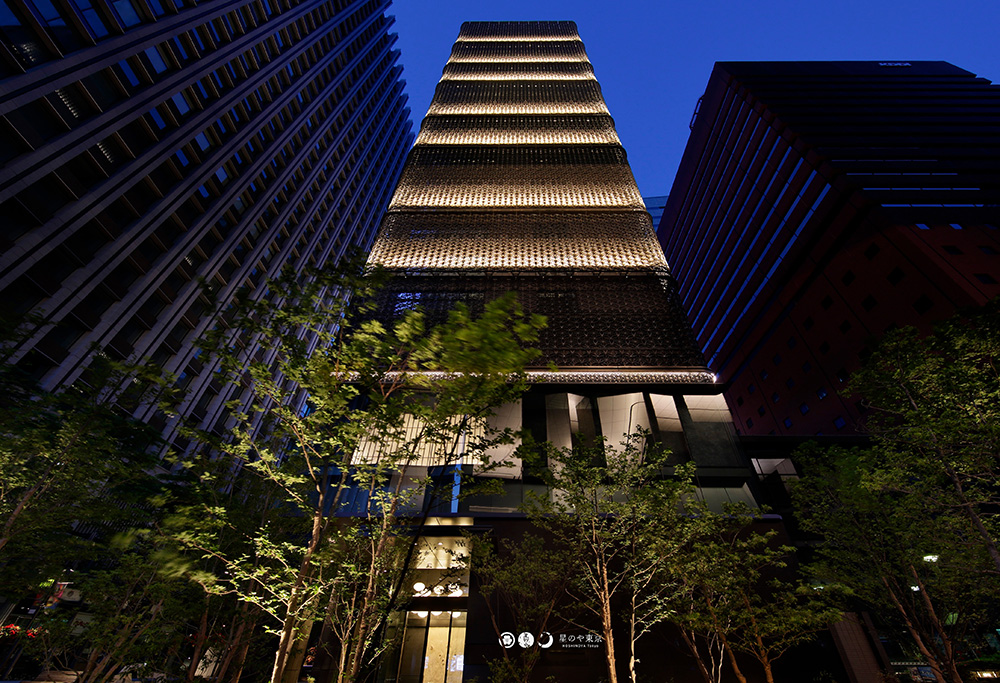
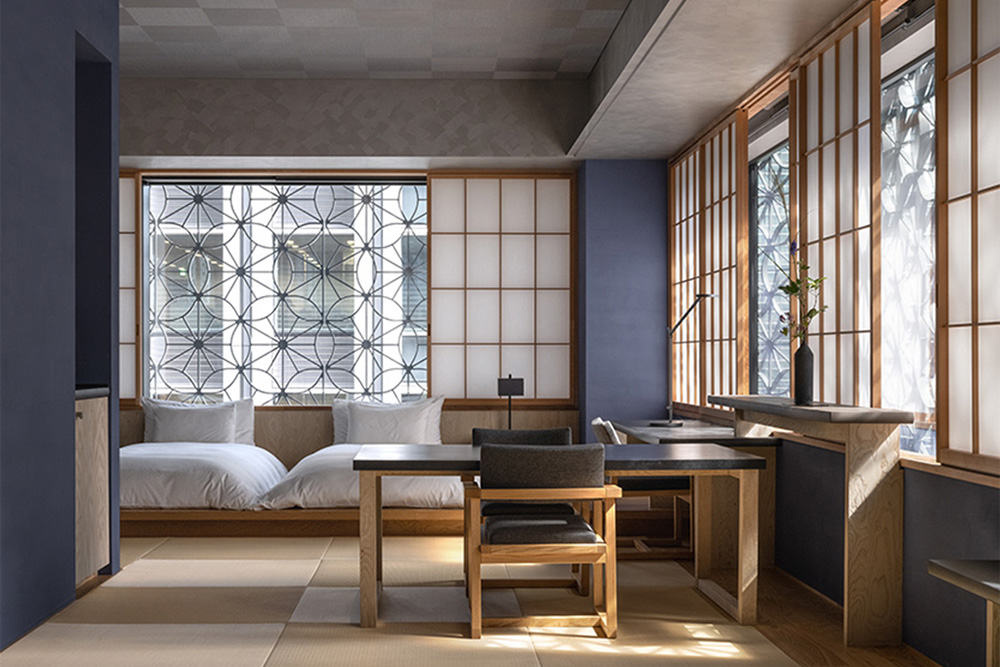

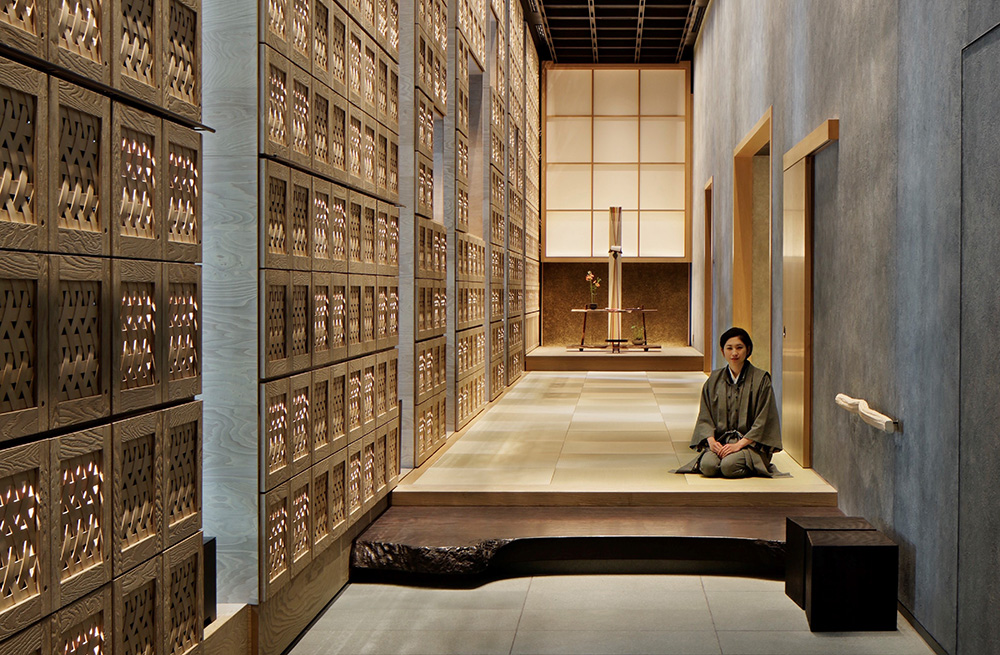
Access Approx. 10-minute walk from JR Tokyo Station
- Accommodation rate example
- Per person per night From 39,996 JPY
OMO5 Tokyo Otsuka
Toshima Ward, Tokyo
Conveniently located just a 1-minute walk from Otsuka Station, it offers excellent access to popular zoos and aquariums in Tokyo.

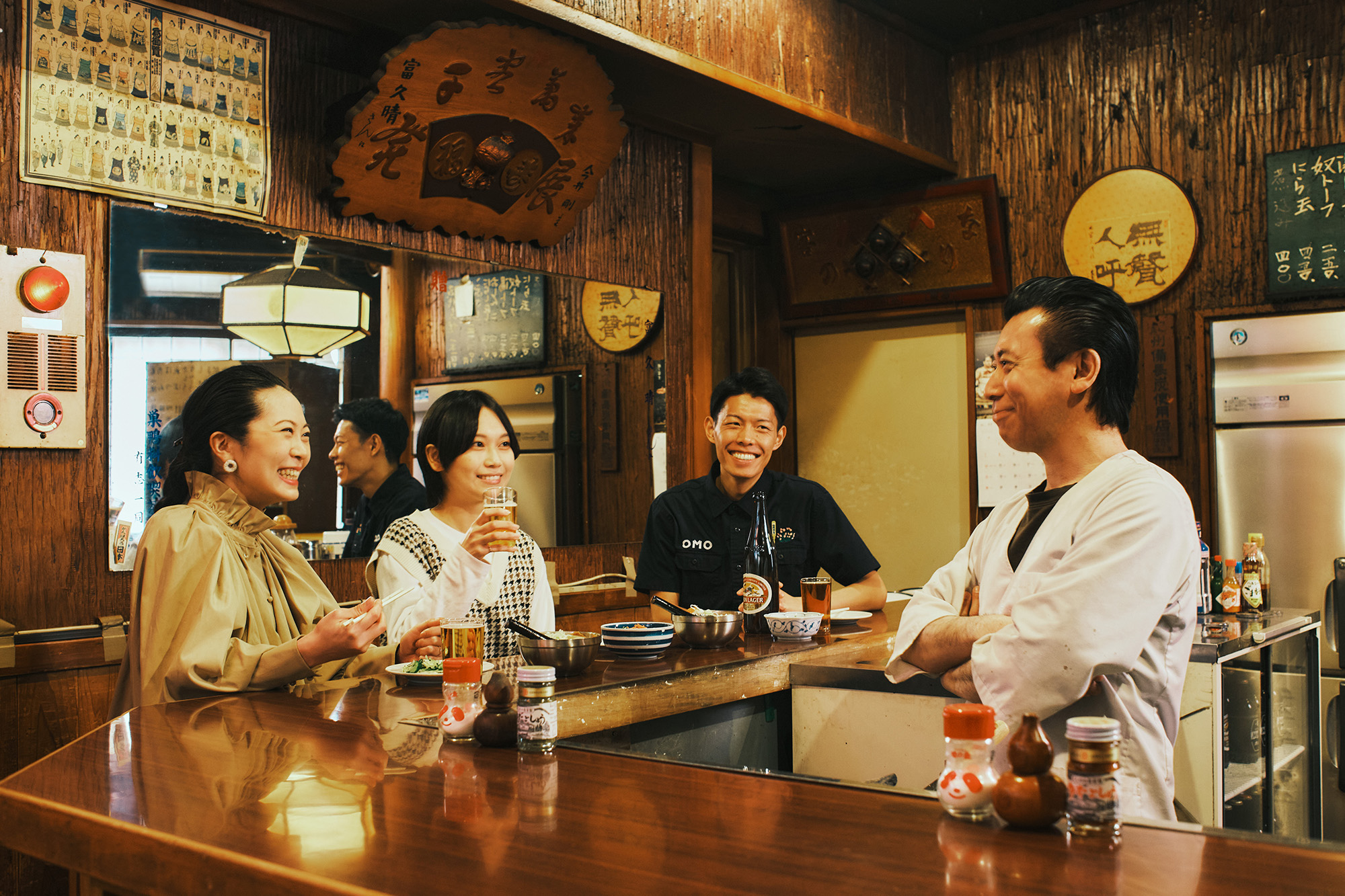
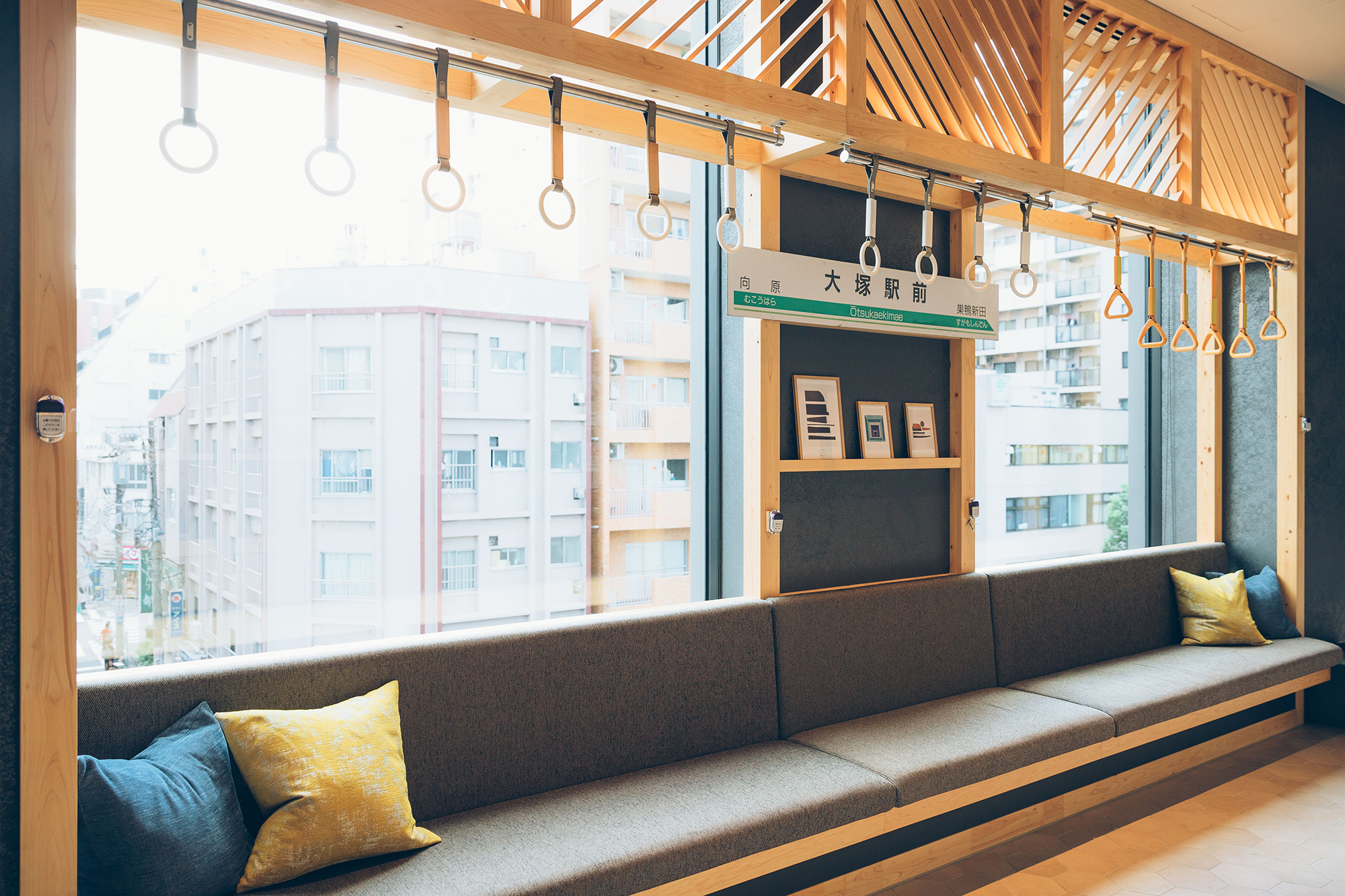
Access 1-minute walk from JR Otsuka Station North Exit
- Accommodation rate example
- Per person per night From ¥10,000