





[2025 Edition] Highlights & Things to do in "Gion Matsuri" Festival
![[2025 Edition] Highlights & Things to do in](https://hoshinoresorts.com/guide/wp-content/uploads/2022/06/kytgon-main-1024x724.jpg)
Kon-kon-chi-kichin, kon-chi-kichin. The Gion Festival, known for its elegant Gionbayashi (Gion music), is one of the most popular summer festivals in Kyoto and lasts for a month in July, when the whole town is filled with excitement and exuberance. The highlights of the festival are the Yamahoko Junko (float procession) and Mikoshi Togyo (portable shrine procession) held on July 17 and 24. Here are some highlights and trivia about them.
Gion Matsuri, a festival with a history of 1,000 years and a prayer to ward off epidemics
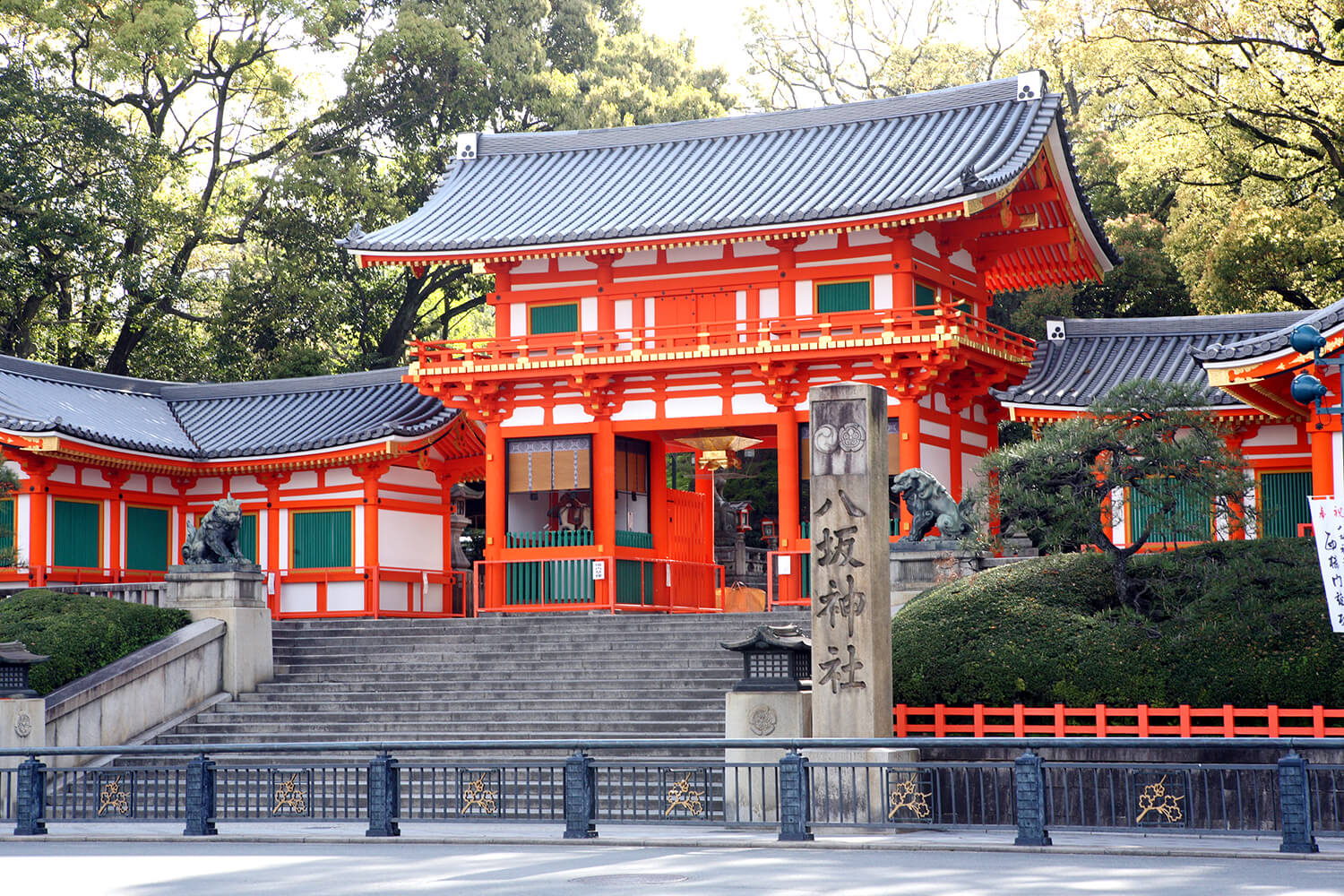
Gion Matsuri, one of the three major festivals in Japan, is a festival held at Yasaka Shrine in Gion, Kyoto. It began in 869 (Joukan 11) during the early Heian period (794-1192). The origin of the festival is said to date back to 869 (Jougan 11), when 66 halberds, the number of halberds in the country at that time, were erected and a portable shrine was sent to Shinsen-en, a garden in Heian-kyo, to pray for the suppression of an epidemic that was spreading across the country. The highlights of the festival are the Yamaboko Junko (parade of floats) and Mikoshi Togyo (portable shrine procession) held on July 17 and July 24. Yamaboko Junko, a spectacular pageant, is registered as a UNESCO Intangible Cultural Heritage.
Gion Festival" Calendar
The following is a schedule of typical rituals and events of the Gion Festival held throughout July. The schedule is based on the dates of the past years, but the content is subject to change, so please check the Yasaka Shrine, Yamahoko Federation, or the official website of Kyoto Tourism for details before visiting the festival.
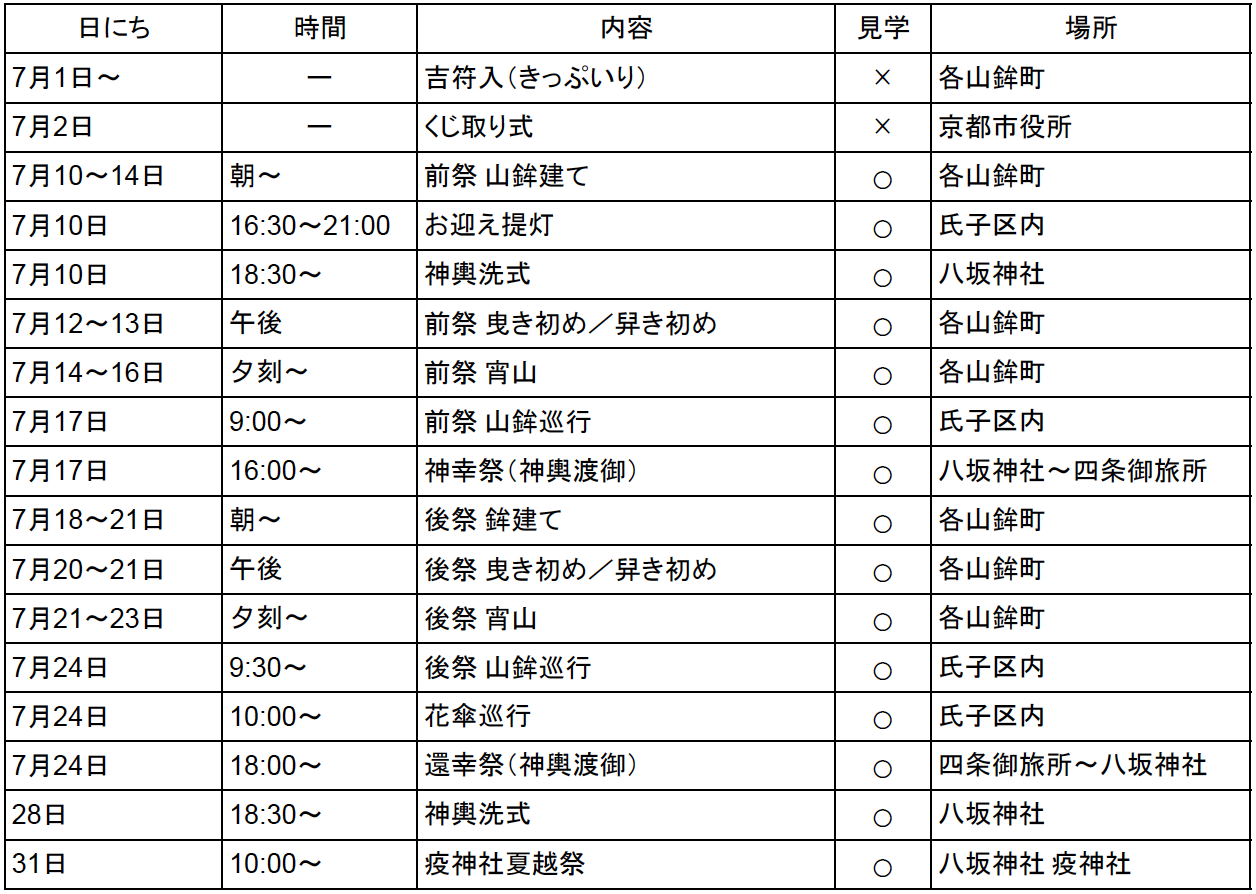
Details .
Magnificent! Yamaboko Junko, a procession of floats, is known as a "moving museum.

The main event of the Gion Festival is the parade of portable shrines. On the other hand, the Yamaboko procession, the other main event, is said to purify the streets of Miyako-oji before welcoming the portable shrines carrying the deities of Yasaka Shrine. The attraction of this event is the gorgeous and gorgeous floats that have been built by successive generations of townspeople to the utmost of their extravagance and in competition with each other. The superbly crafted lacquered floats are decorated with masterpieces of goldsmithing, embroidery, and textiles from all ages and cultures. The sight of the floats moving gracefully along the Miyakooji Street, accompanied by the chants of "Enya la la la la" and the music of the Gion music band, is breathtakingly beautiful. This is why it is called a "moving museum.
Michikusa Gurus
There are two types of floats, "hoko" and "yamahoko," with a total of 34 floats. The basic form of a float is about 25 meters high and weighs up to 12 tons, with a towering shingi in the center. There are two types of floats: hikiyama (floats carried by the floats) and kakiyama (carrying floats).
There are two chances to see the Yamaboko procession: on July 17 for the Mae-matsuri and on July 24 for the Goto-matsuri. Twenty-three floats will appear at the Mae-matsuri and 11 floats at the Goto-matsuri. The history and unique design of each float is a must-see, including the Naginataboko float, which is ridden by a child, a messenger of God, and leads the Mae Matsuri; the Funaboko float, which is shaped like a boat; and the Mantis float, which features a mantis that moves with a mechanical device. There will be paid seats for spectators on Oike-dori.
Michikusa Gurus
The biggest highlight of the parade is the "tsujimawashi," or turning of the streets, when the parade turns a corner and changes direction. The rope is pulled at the signal of the ondocho, and the sight of the floats spinning around with a loud creaking sound is a sight to behold! However, it is recommended to arrive at the site early, as it is inevitably crowded.
Enjoy the atmosphere of "Yoiyama

Yoiyama," held one to three days before the Yamaboko procession, is another essential part of the Gion Festival. Yoiyama is an event that takes place one to three days prior to the Yamaboko Junko, and is an essential part of the Gion Festival. The floats are decorated beautifully in each town, and ornaments and sacred dolls are on display, and chimakis (good luck charms made from bamboo branches) and red seals are given to ward off evil spirits. It is also fun to stroll through the Yamahoko-machi, listening to the music of Gion-bayashi (Gion music) and children's warabeuta (folk songs). The Komagata lanterns floating in the evening darkness are also fantastic. On July 15 and 16, the entire Karasuma-Shijo Street area is usually a pedestrian paradise. The crowds are at their busiest on July 15 and 16.
Michikusa Gurus
Many of the floats actually allow visitors to board the floats, so be sure to get up close and personal (about 500 to 1,000 yen). The Yoiyama of the Later Festival has a quieter and more subdued atmosphere because there are relatively few spectators.
The dynamic "Mikoshi-togyo," the highlight of the festival

The "Mikoshi Togyo" (portable shrine procession) is a dramatic change from the graceful Yamahoko-junko (parade of floats) to the heroic intensity of the "Mikoshi Togyo". In the evening of the day of the parade, three portable shrines carrying the Yasaka Shrine's deities go around the town to purify the town. The sight of the portable shrines being carried by the shrine parishioners, each weighing more than 2 tons, is a powerful sight, and the dazzling lights of the portable shrines are a source of great joy to the spectators. The dazzling glow of the mikoshi is also a divine sight to behold. The excitement that builds gradually, and the sense of elation that is created as the participants and the spectators along the route become one, is a unique experience. It would be a shame to leave after seeing only the Yamaboko floats. Please visit the festival in conjunction with the Yamaboko floats.
Michikusa Gurus
The portable shrine procession on July 17 is called "Shinko-sai," or the day when the god of Yasaka Shrine crosses over to the town. The shrine will remain in Shijo Teramachi for seven days before returning to Yasaka Shrine on the 24th for the "Kankosai".
Enjoy "Kyoto's musical boats" at HOSHINOYA Kyoto
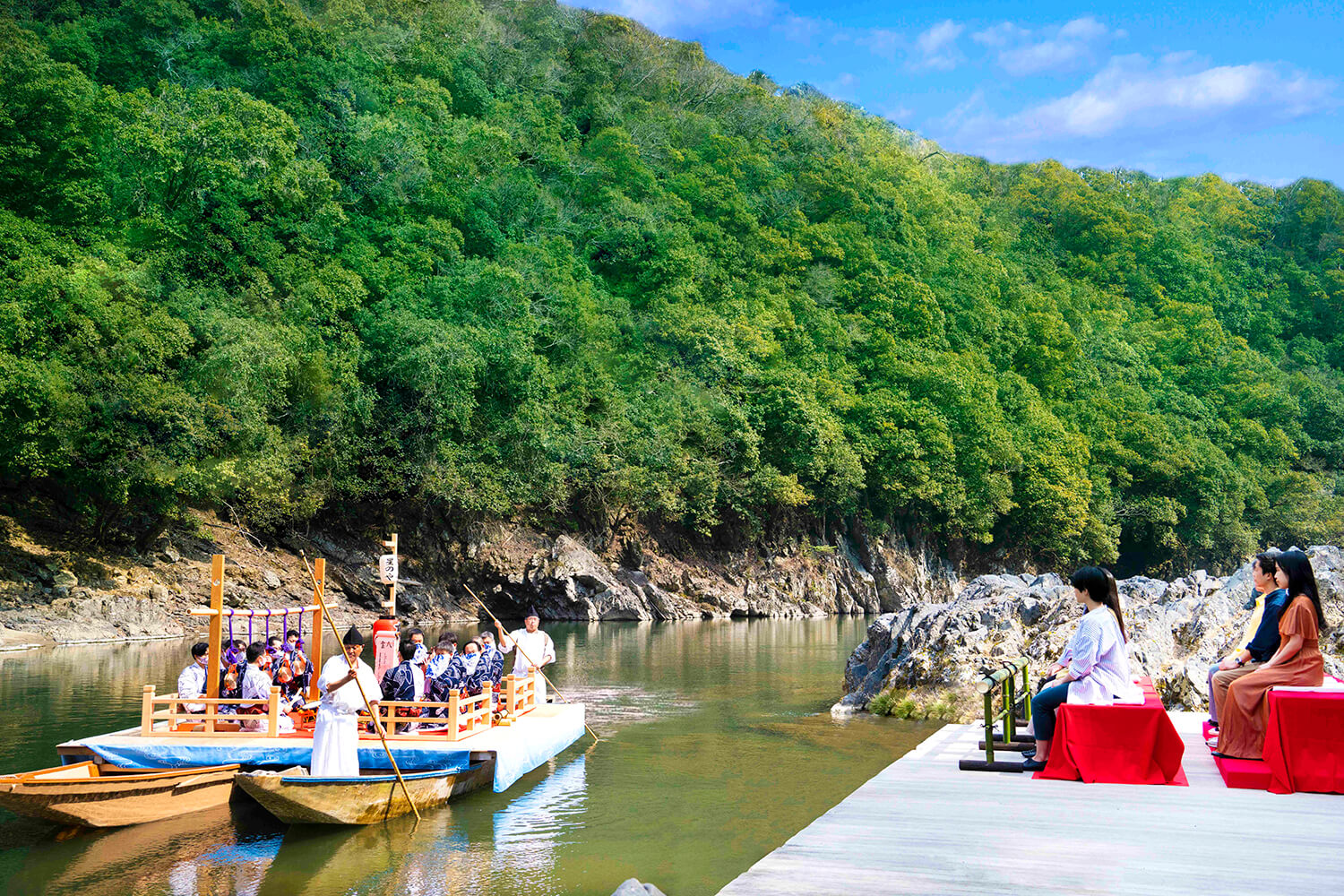
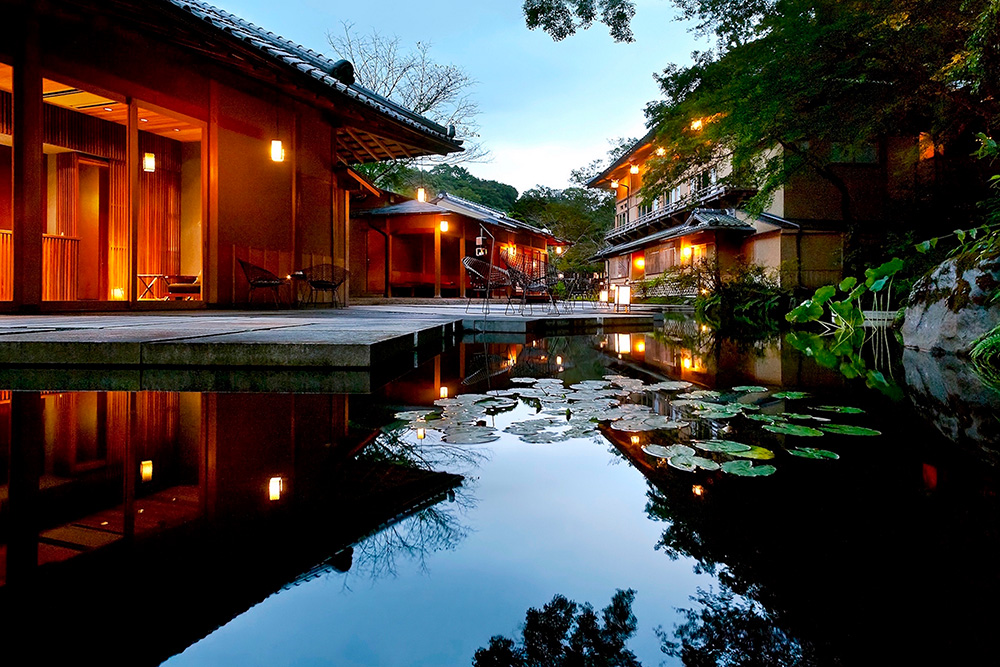
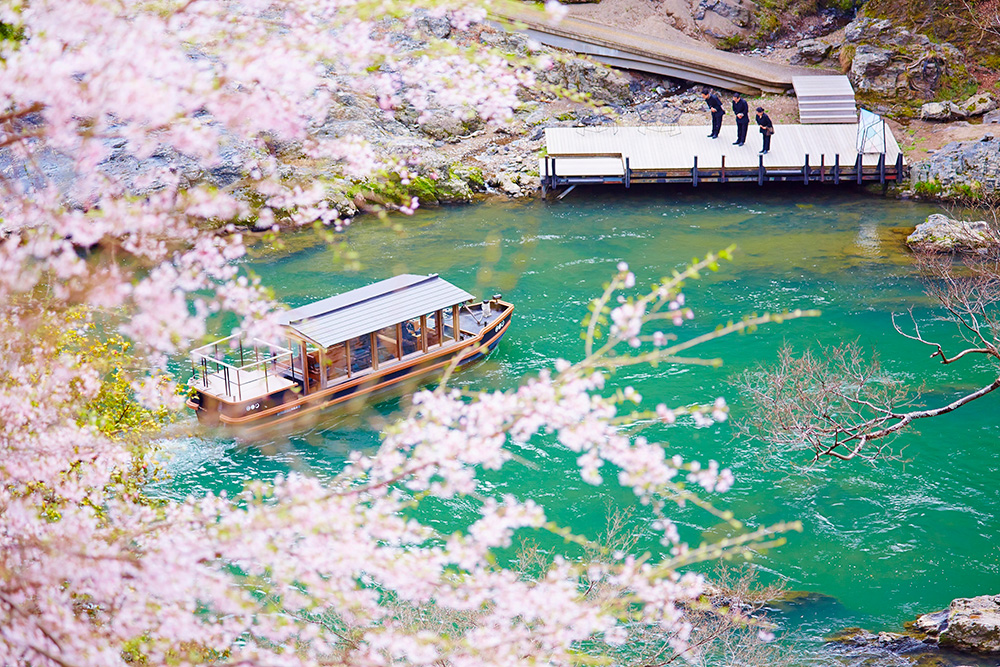
HOSHINOYA offers an overwhelmingly extraordinary experience at each of its properties, each with its own unique theme. HOSHINOYA Kyoto, an all-room river view inn located in Arashiyama, Kyoto, will hold the "Kyo no Ohayashi Boat" event on June 21, 22, 28, and 29, 2025, to enjoy summer in Kyoto in an elegant manner. This is an event where visitors can enjoy the elegant sound of contikitin echoing through the Arashikyo in a different atmosphere from that of the Gion music heard in the city. The stage is moved from the Yamaboko floats to the Yagata-bune, and the Gion-bayashi is played on the Oigawa River, which flows right in front of HOSHINOYA Kyoto. After viewing the Gion music, participants are invited to join the musicians in an ensemble performance, a rare experience for participants only. This is an event where you can elegantly enjoy the coming of summer in Kyoto, just like the Heian aristocrats who used to enjoy boating on the Ooigawa River.
→Click here for details of "Kyoto Music Boat".

Michikusa experts who wrote this article
-
Noriko Yamaguchi
Editor and writer. Based in Kyoto, she writes articles on travel, history, traditional culture, crafts, etc. for magazines and the web. She also edits books. Loves festivals, sake, and vessels. She is an interpreter-guide (English) and an international sake taster. She has passed the Kyoto Proficiency Test Level 2.
Michikusa's
guru
HOSHINOYA Kyoto
Arashiyama, Kyoto
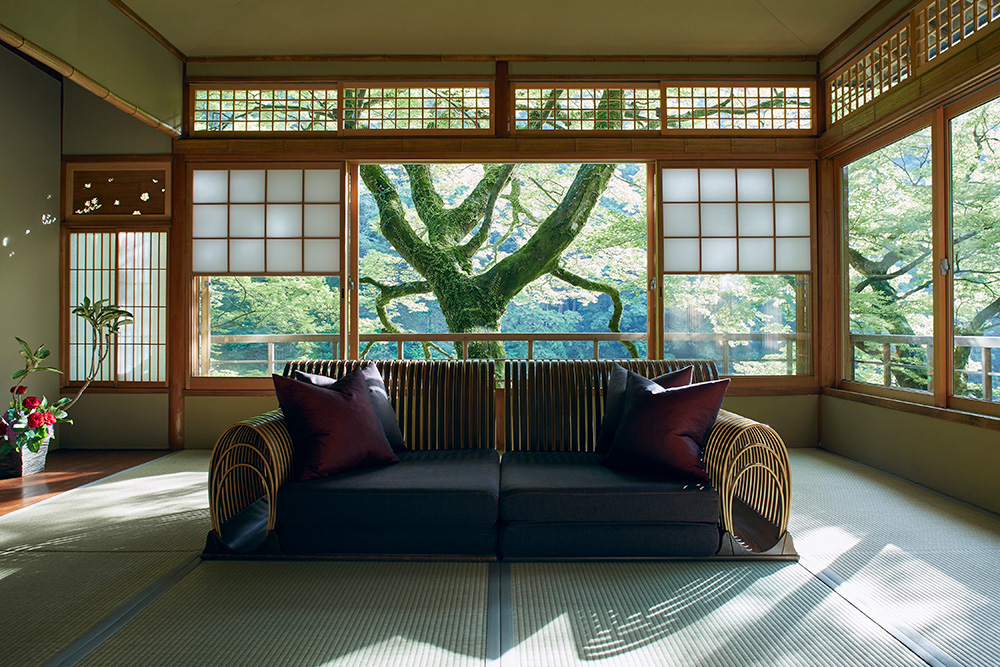
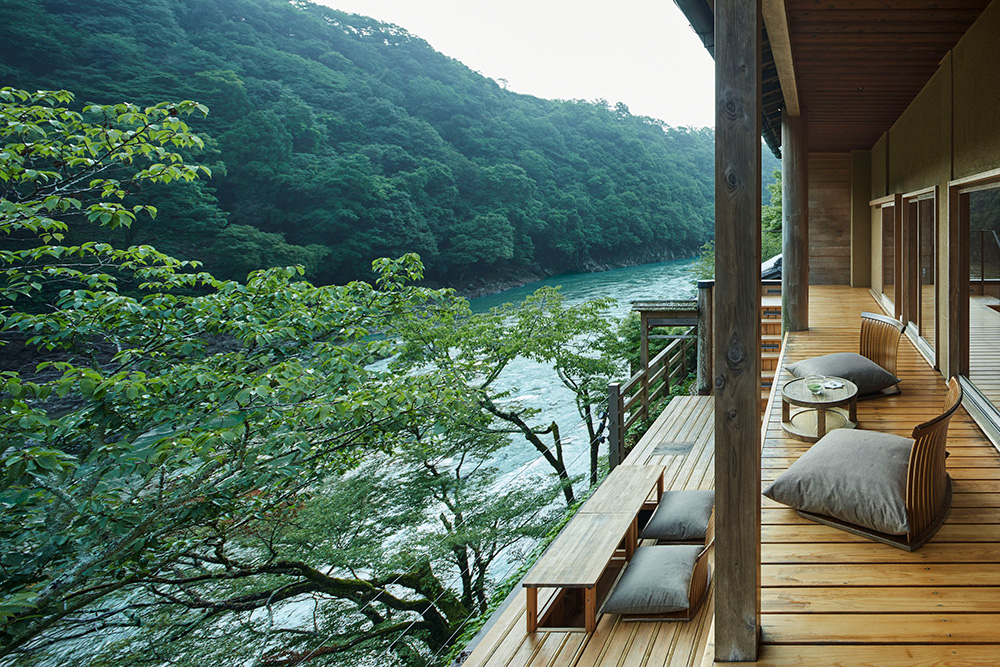
All rooms at this ryokan in Arashiyama have a river view. You can enjoy the beautiful scenery of the four seasons and an extraordinary world of tranquility.
Access by bus Approx. 30 min. by cab from JR Kyoto Station
- Example of Accommodation Rates
- 1 person per night 33,330 yen
OMO5 Kyoto Gion by Hoshino Resorts
Kyoto City, Kyoto Prefecture
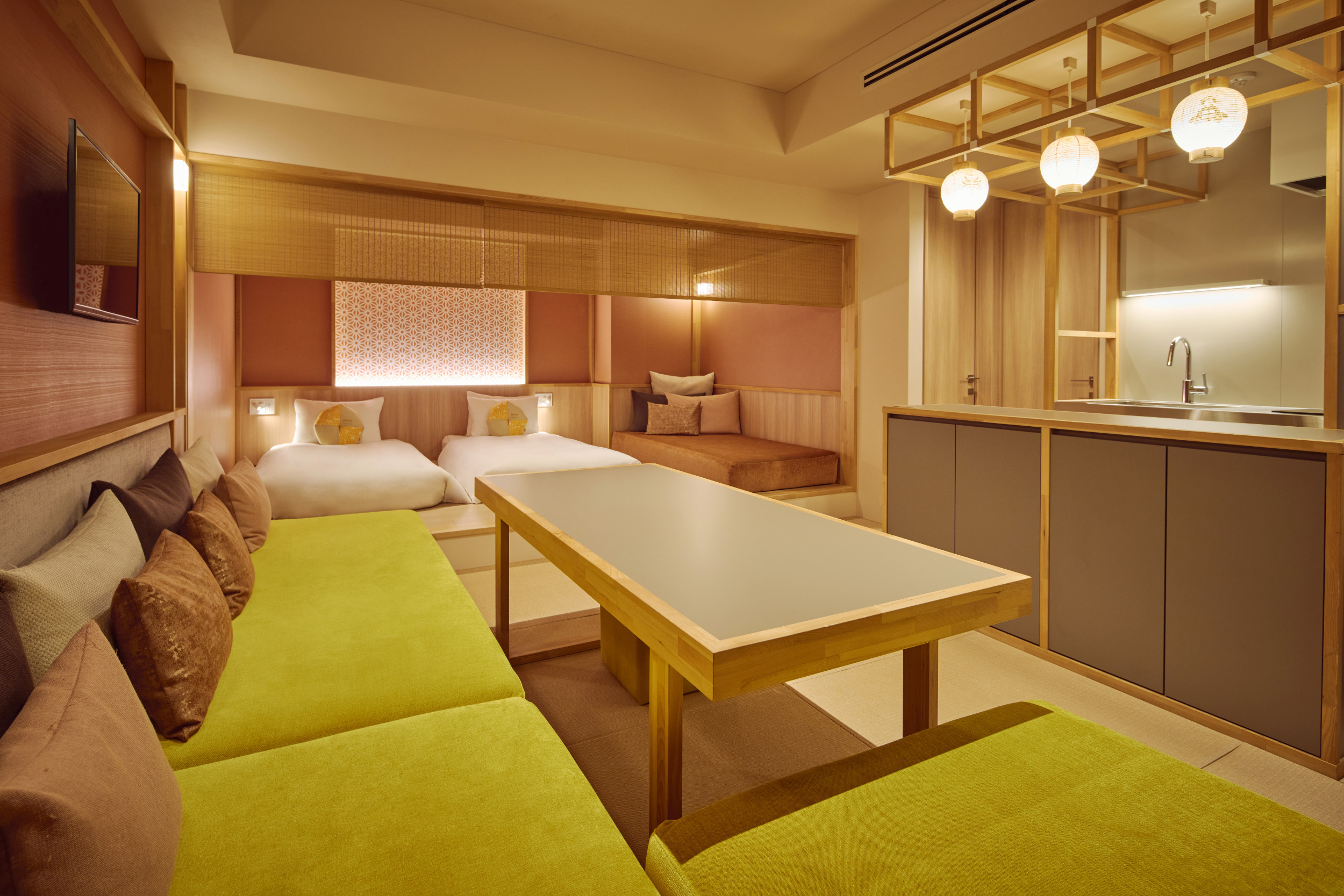
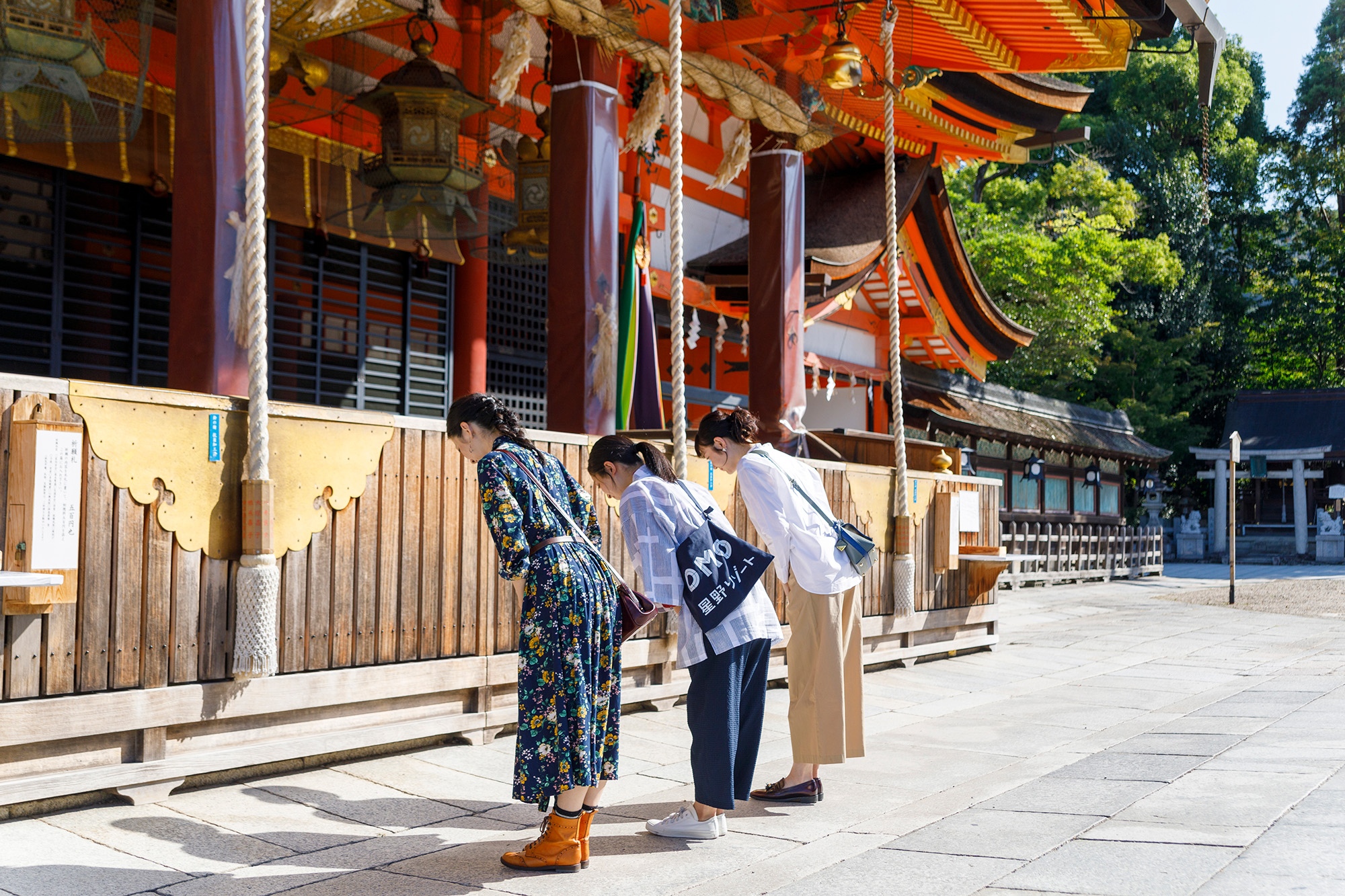
The hotel is located along Shijo Dori, one of Kyoto's most popular shopping streets, and right in front of Yasaka Shrine, famous for the Gion Festival. It is convenient for sightseeing in the Yasaka and Kiyomizu areas, which everyone visits at least once.


Access by bus 5 min. walk from Exit 7 of Gion-Shijo Station on the Keihan Main Line
- Example of Accommodation Rates
- 1 person per night From 9,500 yen