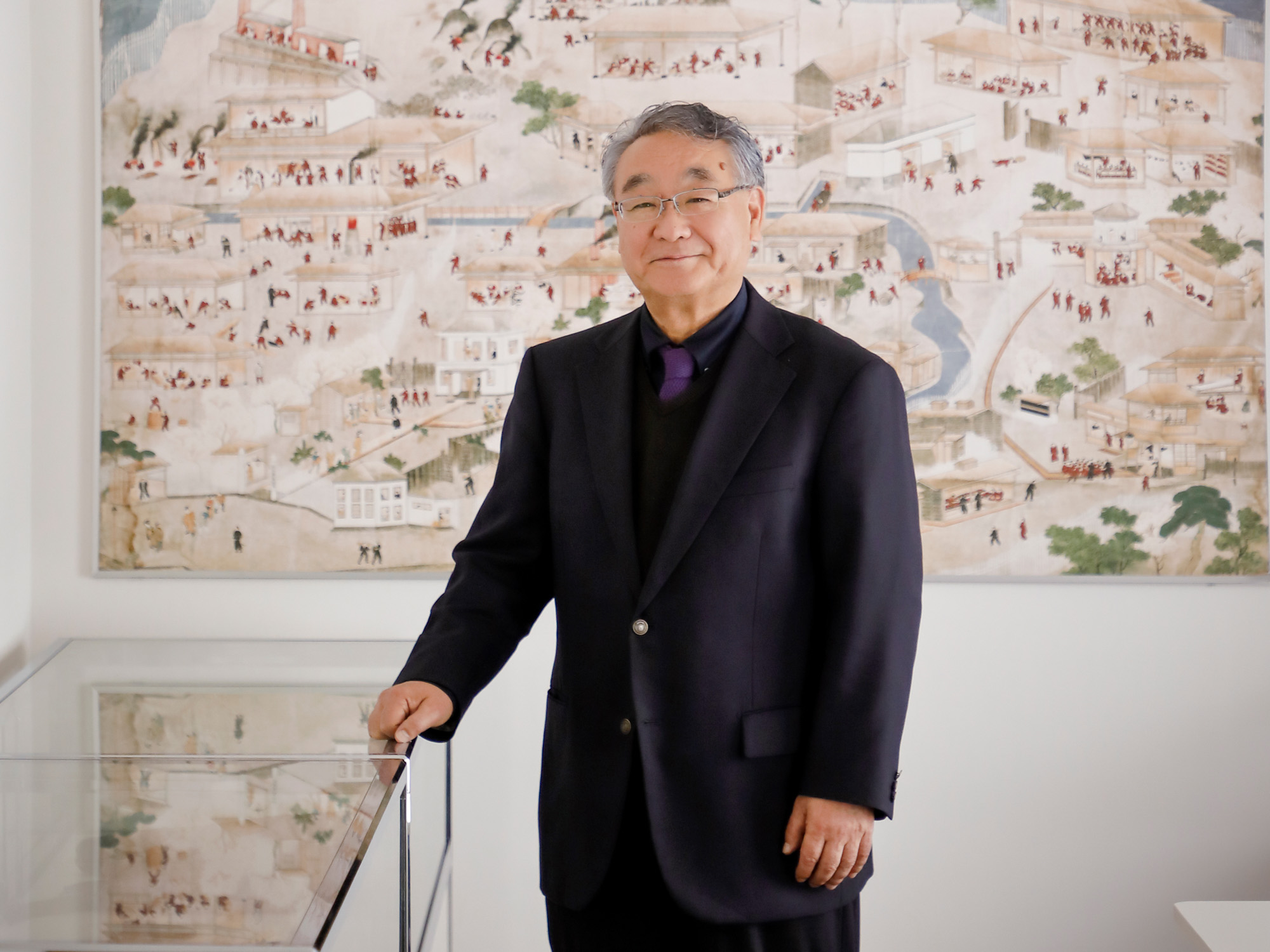


Day 16 features Hiroki Hasegawa, Studio Onsite, who was in charge of the landscape design for the Nara Prison Museum.
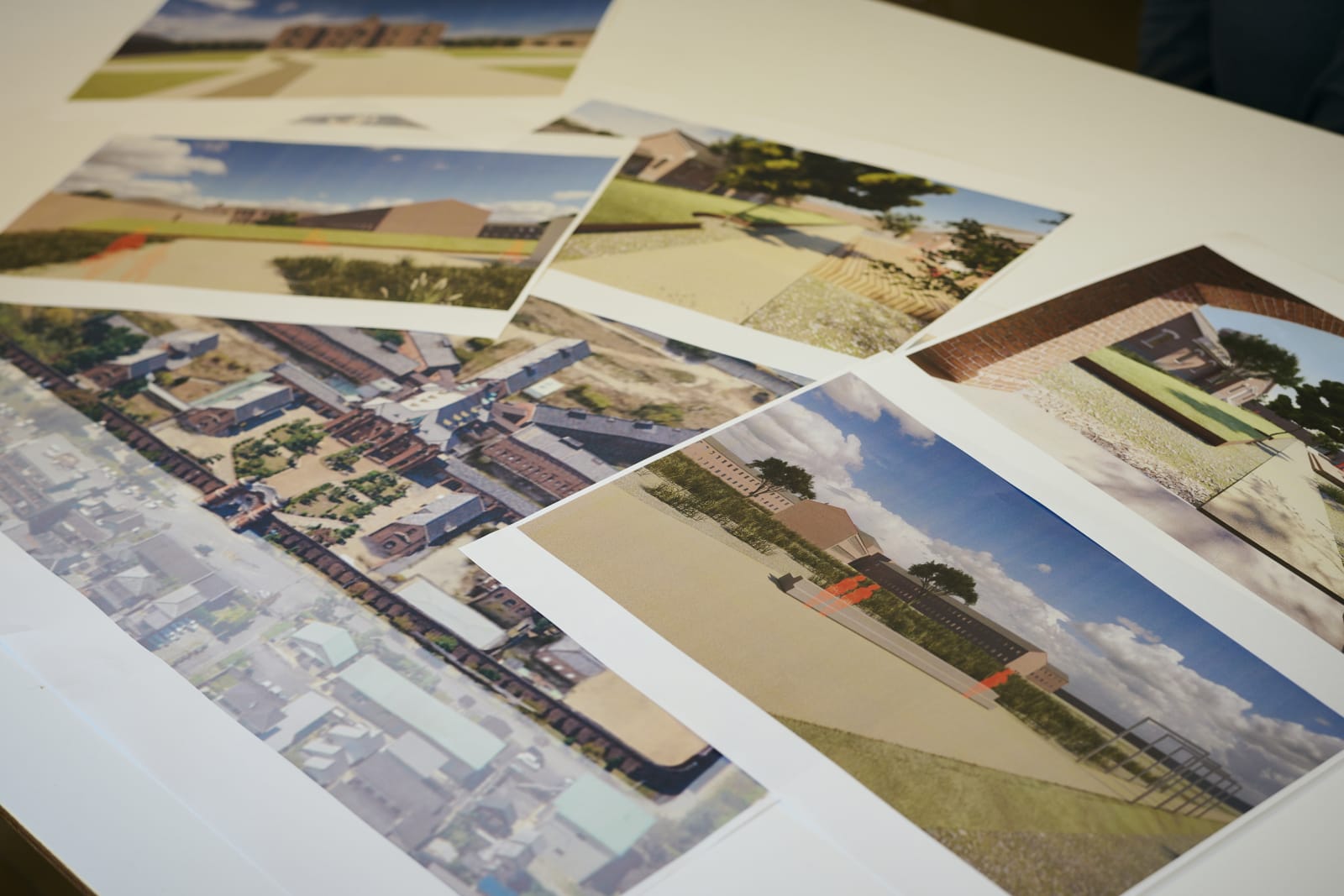
A prison is the “Inner-Inside,” while the world outside the walls is the “Outer-Outside.” The landscape design we handle represents the “Inner-Outside.” These three concepts were the keywords we reached when considering what kind of landscape design would be suitable for the unique presence of a “prison” and its distinctive architecture. The “Inner-Outside” of a prison was originally a space like a vast buffer zone, where the “Outer-Outside” environment beyond the walls exerted a slight influence, both physically and sensorially. I imagined that this was how the inmates perceived such a space. Therefore, rather than creating neatly manicured flowerbeds, we chose a design that remains largely untouched, yet incorporates fragments that symbolically evoke the world outside the walls—specifically, small strips of lawn placed here and there. Typically, landscape design focuses on how to draw out the charm of a location, but for the Nara Prison Museum, we prioritized how closely visitors could feel the reality of the prison’s existence. In that sense, it was a unique project with an approach different from the norm.

Studio Onsite is a firm specializing in landscape design, focusing on spatial design for public facilities such as museums and libraries, commercial facilities, and the planning and design of parks. Their portfolio includes landscape design for HOSHINOYA Karuizawa, HOSHINOYA Taketomi Island, HOSHINOYA Okinawa, and various other HOSHINOYA and KAI properties. While teaching as a professor at Musashino Art University, Mr. Hasegawa has also authored numerous books, including Touching the Landscape: Thinking Methods in Landscape Design.
Follow the series on Instagram: “The Exquisite Prison and the 30”