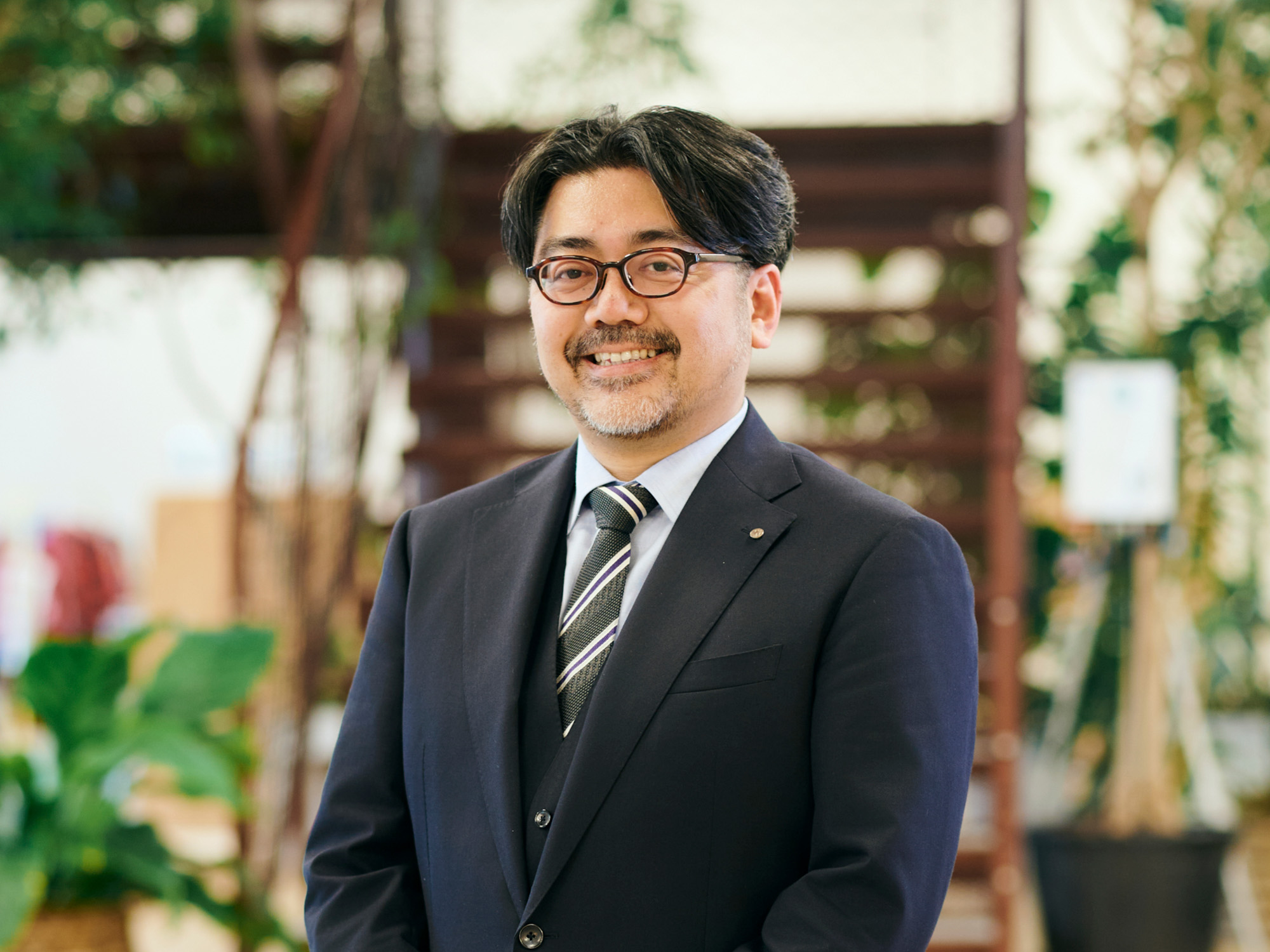


Day 3 features Manabu Nakajima, Professor at the Faculty of Human Cultures at Fukuyama University, who supervised the historical and legal aspects of the exhibition.
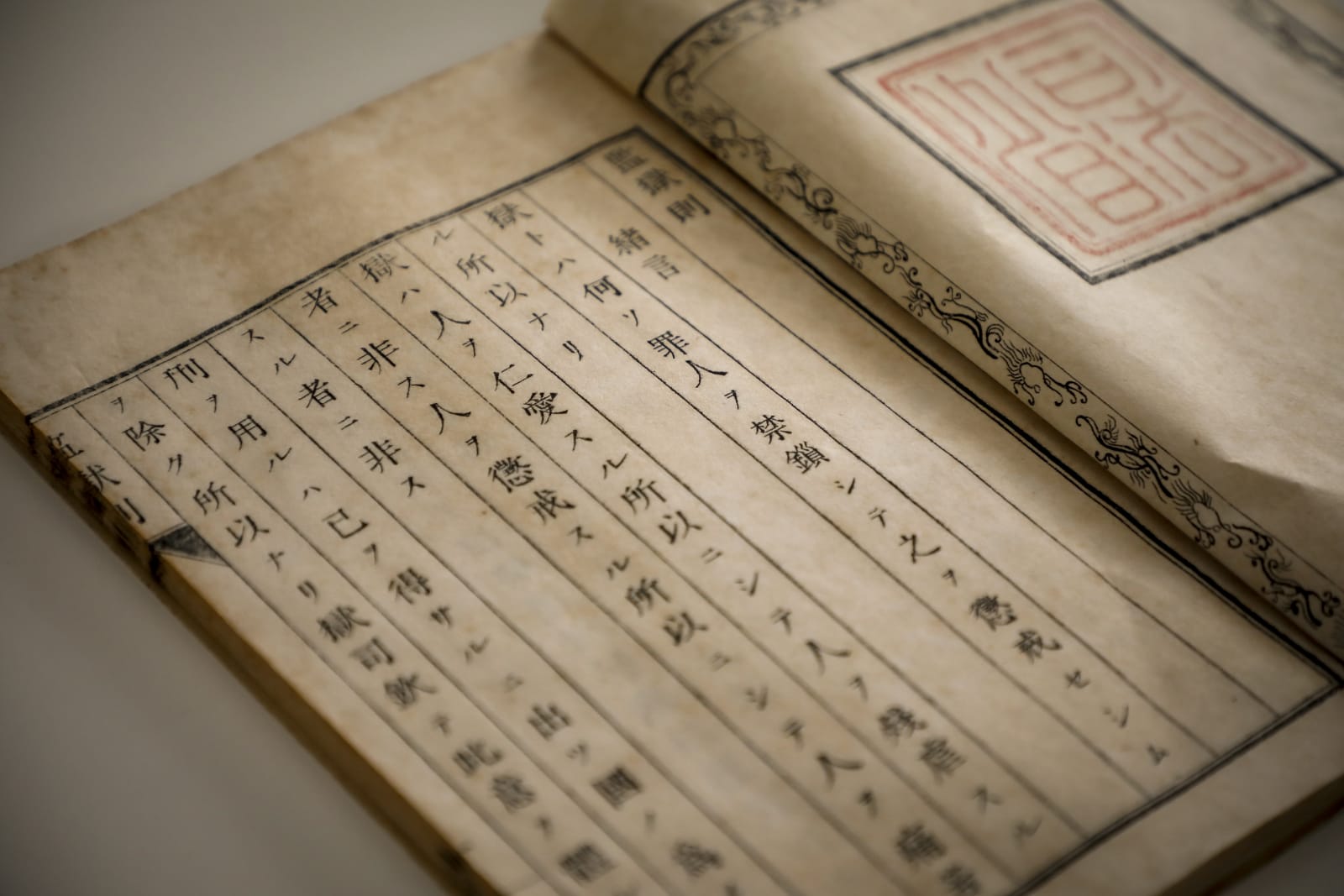
A place where people treat people and support their rehabilitation (re-living). This is the essence of prison management. At the Nara Prison Museum, the exhibits allow visitors to decipher an aspect of Japan’s modernization by tracing the history of the penal system since the Meiji era, while also touching upon the core of prison administration. Furthermore, “imprisonment for reform” was introduced last year. This concept views inmates not as subjects of punishment but as subjects for rehabilitation. It can be said that the philosophy of “Benevolence” (Jin-ai) set forth in the Prison Rules drafted in the early Meiji era is now being practiced in a new form. The exhibition also touches upon this new system of imprisonment. I first visited the Nara Juvenile Prison 20 years ago. I am deeply moved to see this facility reborn as a museum.
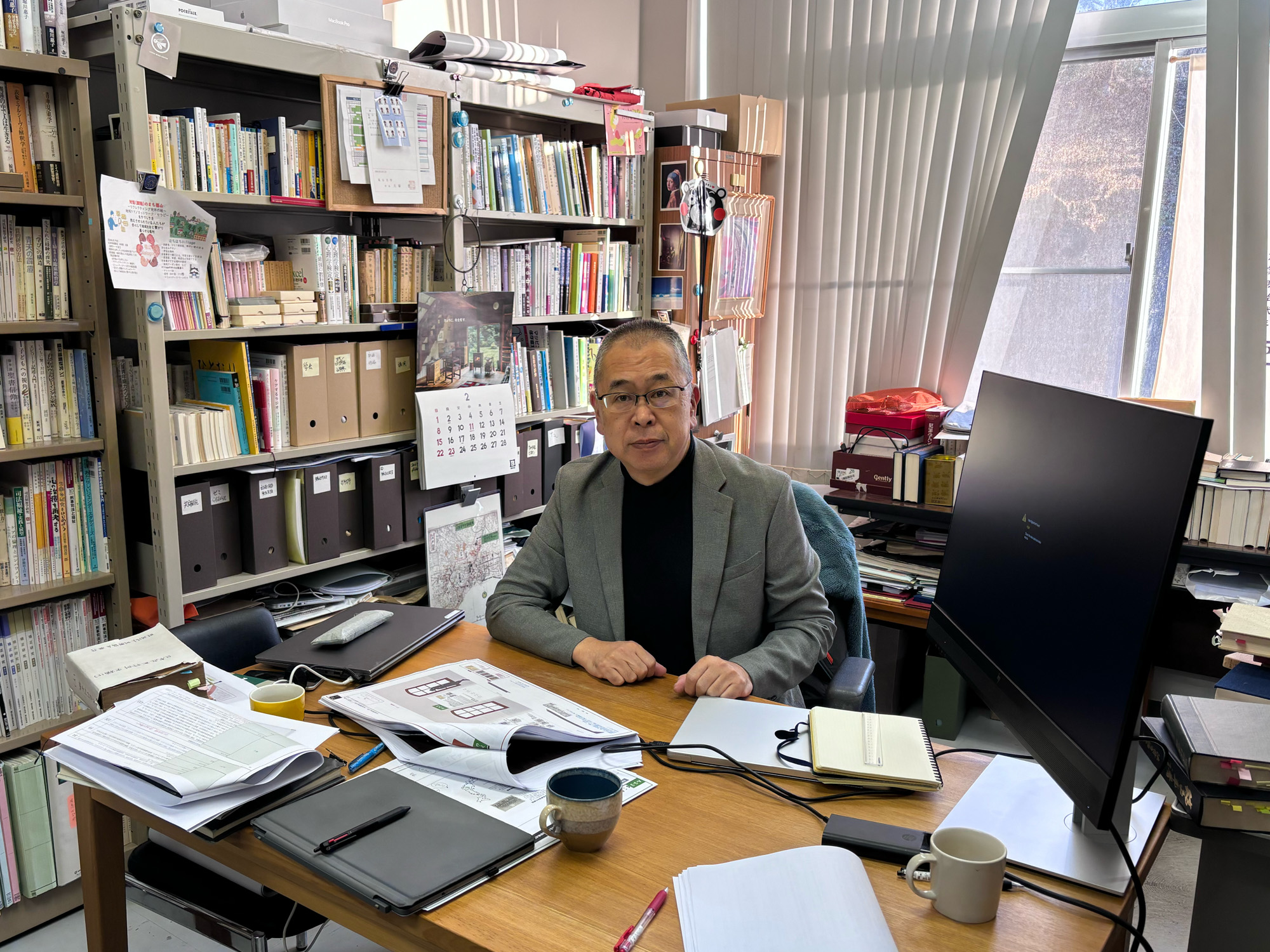
After completing the doctoral coursework at the Graduate School of Law, Kyushu University, he earned a Ph.D. in Law. He joined the Ministry of Justice in 1988. He served as the Director of the Mine Rehabilitation Support Center and the Director of the Fukuoka Juvenile Training School, before retiring as the Director of the Sapporo Correction Headquarters. Currently a professor at Fukuyama University teaching criminal policy and criminology, he continues to research and present on the social reintegration of inmates and juvenile delinquents.
At the Nara Prison Museum, he supervised the historical and legal aspects of the exhibition based on his extensive knowledge and practical experience.
Follow the series on Instagram: “The Exquisite Prison and the 30”