As Japan’s inbound tourism reaches record heights in 2025, international travel is undergoing a profound transformation. Beyond the “Golden Route,” visitors are increasingly seeking authentic, long-stay experiences that foster deeper connections to regional culture and nature. Drawing on proprietary data from our 60+ properties, Hoshino Resorts presents the following analysis of 2025 travel patterns. This report explores diversifying traveler preferences—from the rising demands of regional immersion to the surge of nature-driven tourism—providing a definitive outlook from 2025 with a strategic vision for 2026.
International Arrivals are Increasing in Volume but Decreasing in Momentum
The number of international guests has far exceeded pre-pandemic levels and is increasing every year. In 2025, we hosted international travelers for more than 1.33 million guest-nights across 68 properties throughout Japan, ranging from HOSHINOYA, KAI, RISONARE, OMO, BEB, LUCY and other unique properties. Most travelers are visiting from Taiwan (#1), China (#2), Hong Kong (#3) and the United States (#4), while the United Kingdom and Australia both mark a significant 45% increase (in bookings).
The increase in international bookings in 2025 versus 2024 is 24%, however, which is significantly lower than the 94% recorded in 2024. This deceleration mirrors the national trend for total international travelers, whose growth rate has dropped from 49.5% (Jan 2024–Nov 2024) to 17% (Jan 2025–Nov 2025), according to the JAPAN NATIONAL TOURISM ORGANIZATION (JNTO)*. Given the data, it is clear growth rate of international travelers visiting Japan is decreasing year over year.
*Source: Japan National Tourism Organization (JNTO)
Western Travelers Spending More Time at One Place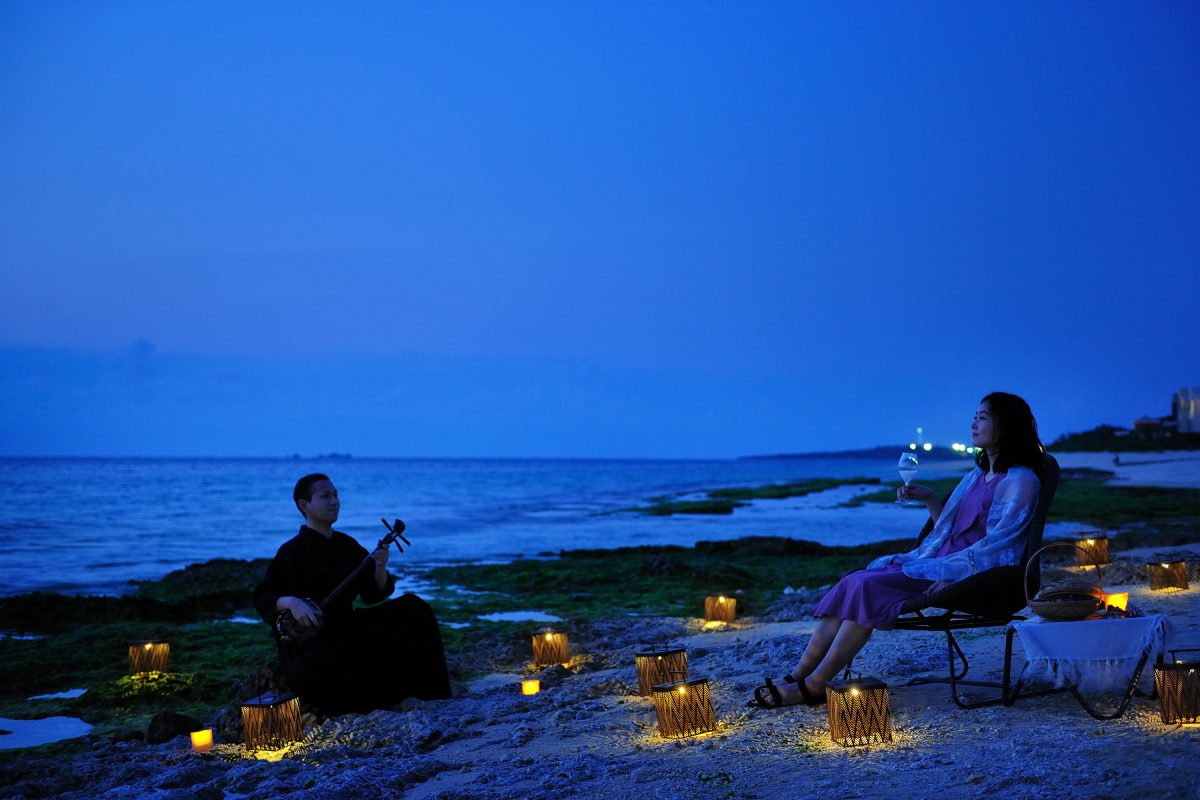 International travelers, especially those from western countries, tend to spend more time in one destination to explore more thoroughly than in previous years. Despite the higher cost and deeper time-commitment for long-haul travel, western travelers are committed to the depth of experience and cultural immersion at each unique region, desiring authenticity and locality while embracing the rising idea of “slow travel.” The average number of nights that international travelers spend at one property throughout all Hoshino brands is 3.12 nights, while UK and US travelers outperformed the average by spending 3.76 nights and 3.72 nights respectively per property in 2025, marking a significant increase from travelers based in these markets compared to pre-pandemic levels.
Amongst Hoshino Resorts’ 6 brands, HOSHINOYA tops the list with an average number of 3.35 nights per property. The flagship brand of the collection, which just celebrated its 20th anniversary in 2025, continues to weave local culture and luxurious offerings together to create a one-of-a-kind world of its own, providing all hotel guests with a deeply immersive experience that fosters longer stays. In 2026, the brand is welcoming a new property, HOSHINOYA Nara Prison, in Nara city – a popular day-trip destination for both domestic and international travelers – encouraging increased overnight stays. As part of the renovation to the historically significant former prison, the new HOSHINOYA will turn the previous cells into elegant hotel rooms, offering its guests an unforgettable and luxurious stay. The hotel will also feature an adjacent museum themed around the history of the former prison, as well as freedom, adding a new attraction for tourists visiting Nara.
It’s No Longer Tokyo’s One-man Show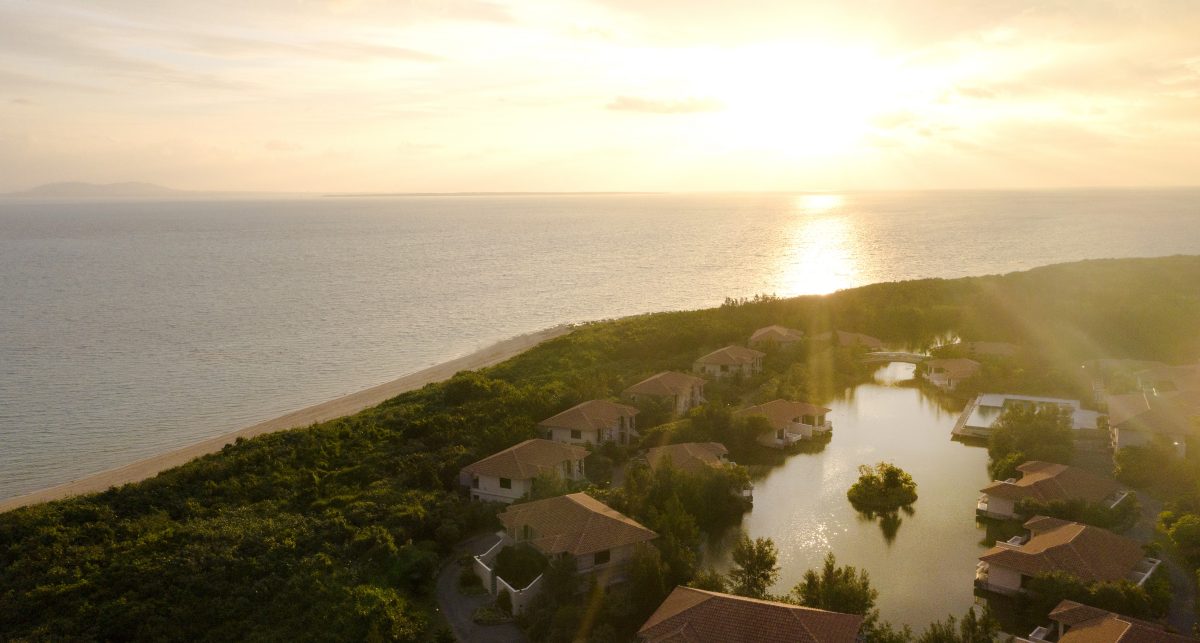 The Kanto region (including Tokyo) continues to be the most popular destination amongst international visitors, but it no longer dominates – Kansai tourism increased, and in 2025 received its greatest number of guests with the impact of the World EXPO, driving guest numbers to the same level as Kanto. The region that experienced the most dramatic increase is, surprisingly, the Shikoku region (Kochi, Ehime, Kagawa and Tokushima Prefectures,) which recorded four times as many guests as 2024. This is further demonstrated by OMO7 Kochi's 288% increase in international guests compared to last year, with American visitors alone growing by four times. Travelers were particularly impressed by the city's Sunday morning market, its fresh and diverse cuisine, and the heartwarming hospitality of the local people.
Okinawan properties – especially those on the remote islands – have witnessed a significant increase as well. After new direct flights between Ishigaki Island and Seoul, and Taipei and Hong Kong were launched/reissued in early 2025, the destination has become more accessible, not only for international travelers from these countries, but also for those who are connecting from other destinations. Consequently, RISONARE Kohamajima represented the highest increase rate (404%) of guests compared to the 2024 outcome, while its remote island neighbors, Iriomote Island Hotel and HOSHINOYA Taketomi Island also noted increases of 122% and 21% respectively.
This data shows that international travelers are broadening their horizons and no longer sticking to the major tourist hubs; instead, more and more people are tending to extend their trips to less crowded, lesser-visited and somehow niche destinations. Boasting almost 70 properties throughout Japan, Hoshino Resorts is eager to welcome overseas travelers to discover the hidden gems in regions beyond their imagination.
Peak and Low Seasons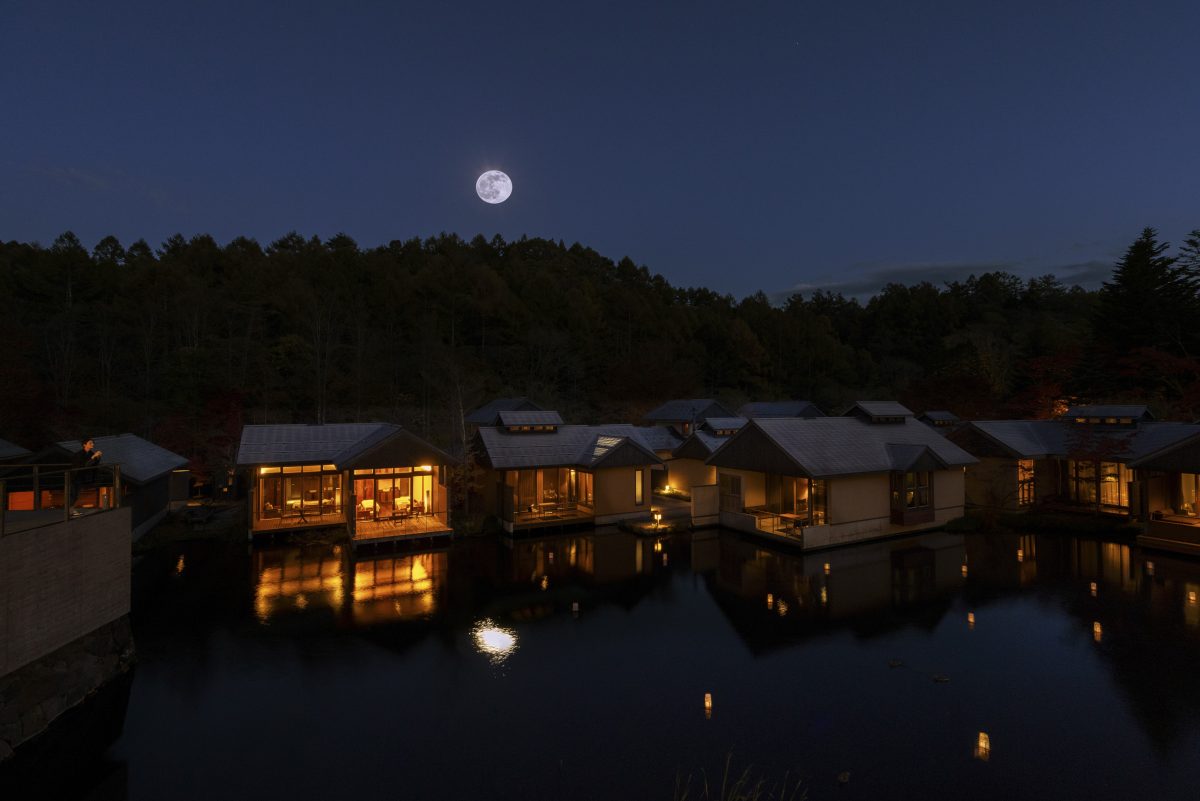 In 2025, the holiday season for December to January at Hoshino Resorts surpassed the popular cherry blossom or fall foliage seasons as the busiest season throughout the year, with the total number of international guests reaching nearly 300,000 in two months. Families and friends celebrate the beginning of the year with a rewarding trip to Japan, embarking on an exciting brand new adventure.
On the other hand, in 2025, the lowest season for international guests was September. However, the underrated month offers a variety of different experiences. Travelers can explore the cities along the Golden Route when they are quieter, celebrate the tsukimi (moon-viewing) culture and admire beautiful shifts of fall moon in Karuizawa, or head to Oirase Gorge for a “coolcation” while summer heat remains in most regions in Japan.
Similarly, for those who are visiting the popular Kyoto, winter has proven to be a good time to avoid the overflowing tourists. See a serene Kyoto in winter, unwinding in a soothing Hinoki bath and warming up to a healthy Japanese hot-pot breakfast, all at HOSHINOYA Kyoto, secluded at the depth of Arashiyama.
The Rise in Demand of an Onsen Ryokan Experience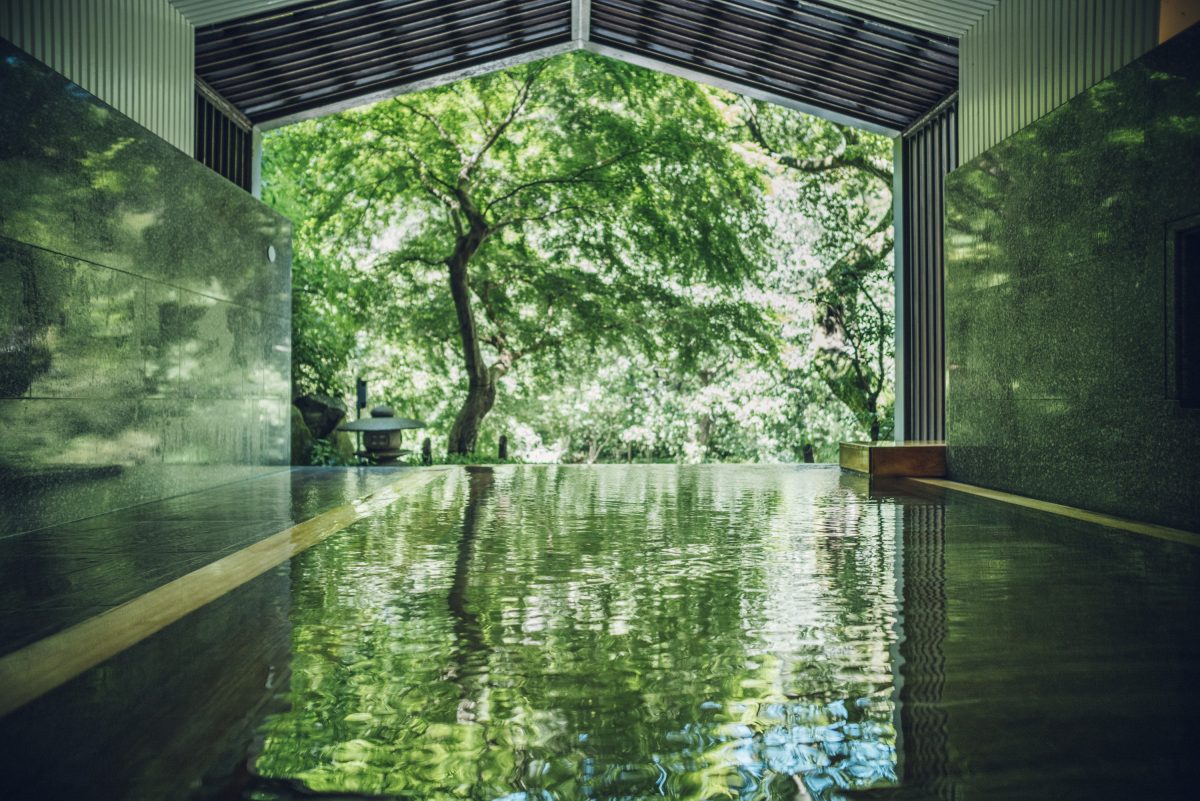 Onsen (hot spring) culture has been a long-established tradition deeply rooted in Japanese society. For centuries, onsens have healed Japanese people physically and spiritually, becoming a unique symbol of the country’s culture and an indispensable part of its tourism. To recognize, preserve and revitalize this tradition, Japan is currently engaged in an organized and widespread campaign to have Onsen Culture inscribed on the UNESCO Representative List of the Intangible Cultural Heritage of Humanity, marking a major national effort backed by both political and cultural bodies.
In addition to the domestic efforts, more and more international travelers are embracing the Japanese bathing culture and seeking an authentic onsen ryokan experience. The demand is further demonstrated by Hoshino Resorts’ in-house data, which saw a 247% increase in the number of international travelers who stayed at the onsen ryokan brand KAI in 2025 compared to pre-pandemic levels. In order to welcome guests from all over the world, Hoshino Resorts changed its policy to permit bathers with tattoos (who are commonly forbidden by traditional onsens), showing their commitment of respecting diverse cultures while keeping the authenticity of traditional onsen culture. As part of this shift, Hoshino Resorts also added a thoughtfully crafted vegetarian menu for breakfast and dinner, further appealing to a range of guest tastes and dietary restrictions.
In 2026, the KAI brand is preparing for three brand new openings to meet the rising demand for a traditional onsen experience: KAI Kusatsu in Gunma prefecture, KAI Miyajima in Hiroshima prefecture, and KAI Zao in Yamagata prefecture. All three properties are dedicated to introducing a different onsen experience, unique to the region, not only in bathing style but also in cuisine and cultural discoveries, to offer visitors a comprehensive view of Japan’s diverse onsen ryokan culture.
RISONARE: the Unexplored Hidden Gem In 2025, Hoshino Resorts continued its journey as a multifaceted hotel brand that speaks to both domestic and international travelers. The luxury hotel brand HOSHINOYA is most widely known amongst international guests, with 57.2% of its total guests coming from outside of Japan. Similarly, the city-tourism hotel brand OMO reported nearly half of its guests (44.8% in 2025) were international.
The sub-brand that is least known amongst international travelers is RISONARE, where only 2.8% of 2025 hotel guests were foreigners. For international travelers who are eager to find a unique experience and visit a lesser known part of Japan, the family-oriented RISONARE resorts offer an array of activities perfect for travelers of all ages. Each taking on its own form that blends into the region, such as a wine resort in the renowned Japanese wine region Yatsugatake, Yamanashi Prefecture, or an agritourism resort in the bountiful highlands of Nasu, Tochigi Prefecture.
The Eagerness for Deeper and More Authentic Experiences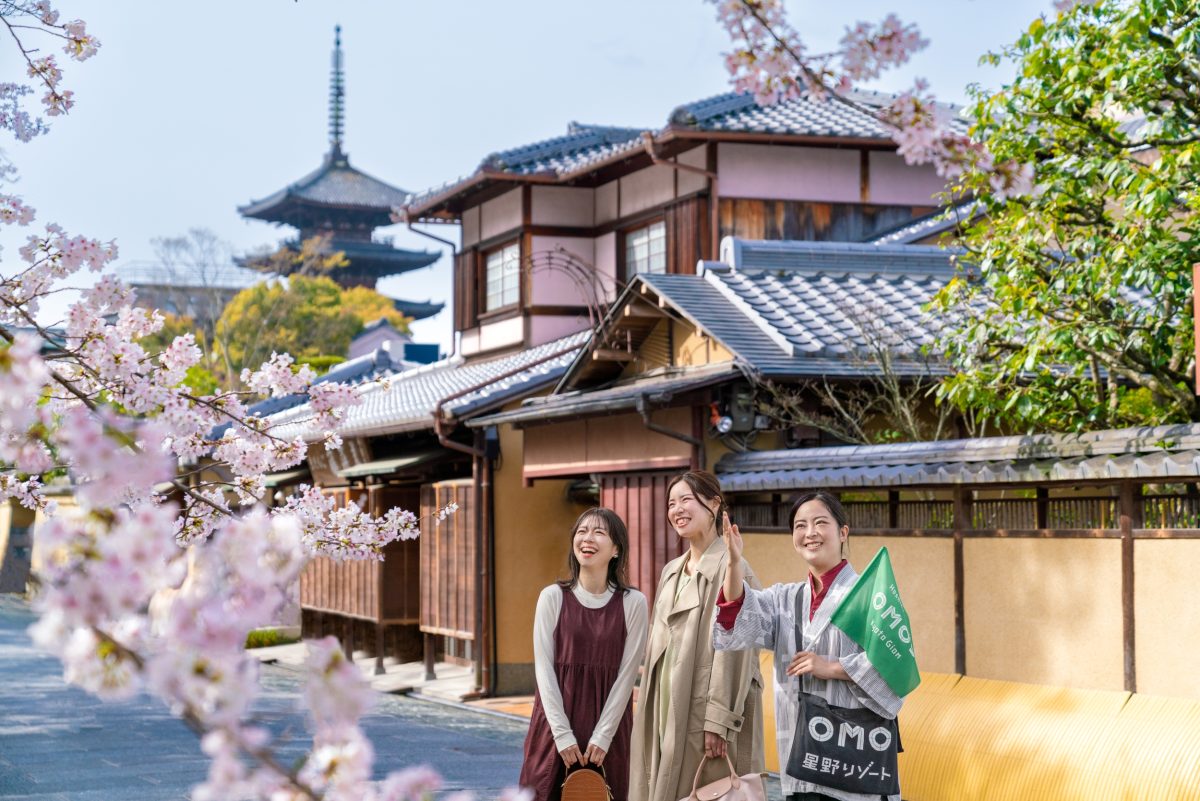 Ever since its launch in 2017, city-tourism hotel brand OMO has been dedicated to helping hotel guests explore the neighborhood at a deeper level. The key service to this vision is “Go-Kinjo Activities,” hotel activities that educate visitors about the local neighborhood through walking tours, lectures or nightly events. Initially introduced in Japanese, the brand has received a high demand for English language activities on-site over the past few years, and therefore has devoted a great deal of effort to further develop its activities to accommodate English speakers.
As a result, almost every OMO is now providing English support during their signature OMO Ranger Tour for non-Japanese speakers. For example, “Gion Uruwashi Asamairi,” the 6:30AM morning tour that takes guests to walk around an empty and beautiful heart of Kyoto at OMO5 Kyoto Gion, is one of the most popular activities throughout the OMOs. Thanks to enhanced English support, international guests have left phenomenal reviews for this activity.
Mountain Tourism Proves Its Popularity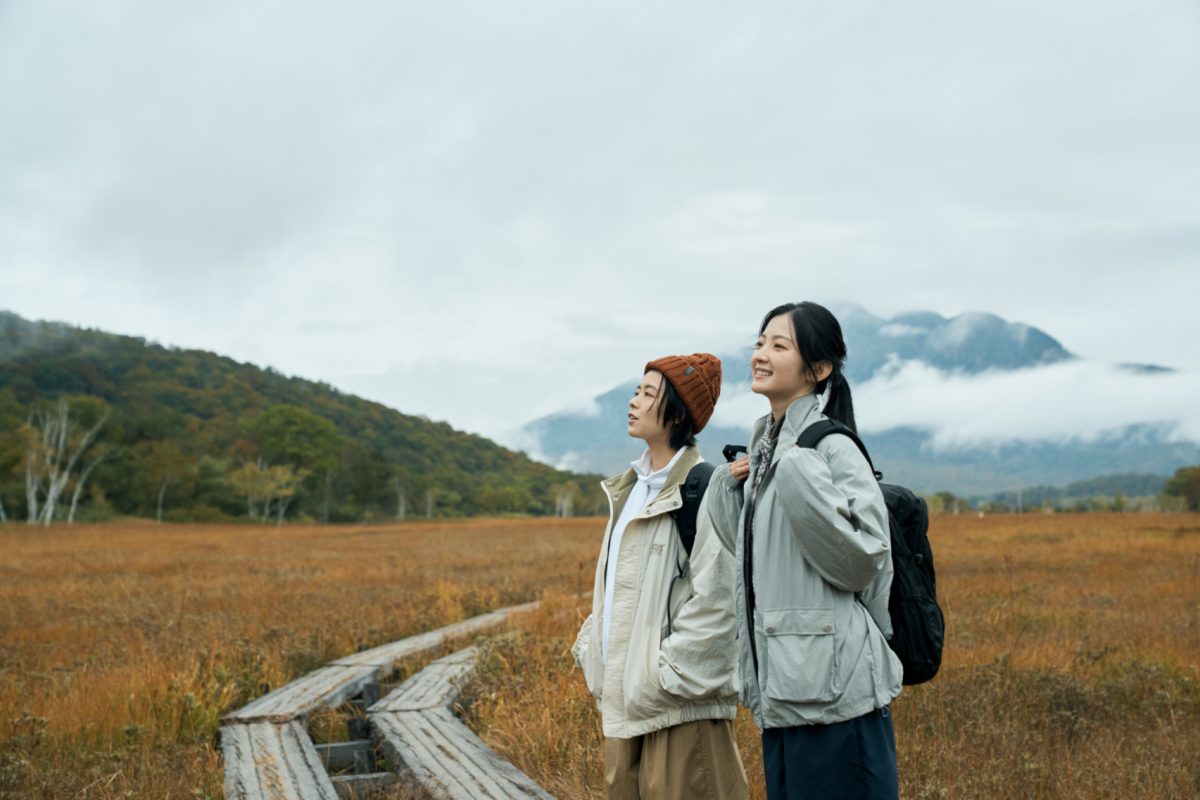 While international travelers crave deeper cultural discoveries, especially in urban cities, the Japanese government is encouraging revitalization in its abundant natural assets. Despite their incredible natural beauty, Japan's national parks historically lacked the global brand recognition of parks in the U.S. (such as Yellowstone) or Canada (such as Banff). Launched in 2016-2017 by the Ministry of Environment, the National Park Revitalization Project aims to transform Japan’s national parks into world-class sustainable tourism destinations, promoting regional revitalization, tourism deconcentration, and long-term protection of its diverse ecosystems.
To support this initiative, Hoshino Resorts launched its sixth sub-brand in 2025, “LUCY” – a collection of mountain hotels. Driven by the goal of making mountain stays accessible to a wider audience, LUCY has established six promises – including private rooms, nourishing meals and unlimited connectivity – to ensure a comfortable lodging experience previously considered difficult to achieve in mountain environments.
Due to high demand, not many international visitors have had the opportunity to visit. Opened in September 2025, the newly launched LUCY Ozehatomachi was sold out for the entire season (September to December) in only three days after reservations opened. In 2026, as the Oze mountains reopen in April, LUCY looks forward to welcoming more foreign travelers to come witness the breathtaking beauty of Japan’s natural landscapes.
A New System Unlocking a Stress-free Booking Experience
Thanks to our loyal supporters, Hoshino Resorts maintains a high direct booking ratio of around 70%. To provide an even more seamless and stress-free experience for these guests, we launched the new in-house developed system, FleBOL (Flexible Booking Online), in October 2025.
We’ve all been there: plans often change before the trip. Approximately 40% of inquiries from guests with existing reservations are requests to change the booking details, such as the number of guests, room type, or dates. As the first phase of FleBOL, applied to all KAI and LUCY properties, we have made it possible for these changes – from modifying dates due to sudden changes in plans, adding more friends or to upgrading to a larger room – to be completed with a simple click online ahead of the stay.
The long-term goal of this new system is to allow customers to seamlessly manage every aspect of their trip via smartphone, where they can select, combine, and freely modify their preferred experiences including room, meals and the wide range of unique local cultural activities that Hoshino Resorts offers with ease.
Message from Hoshino Resorts’ CEO, Yoshiharu Hoshino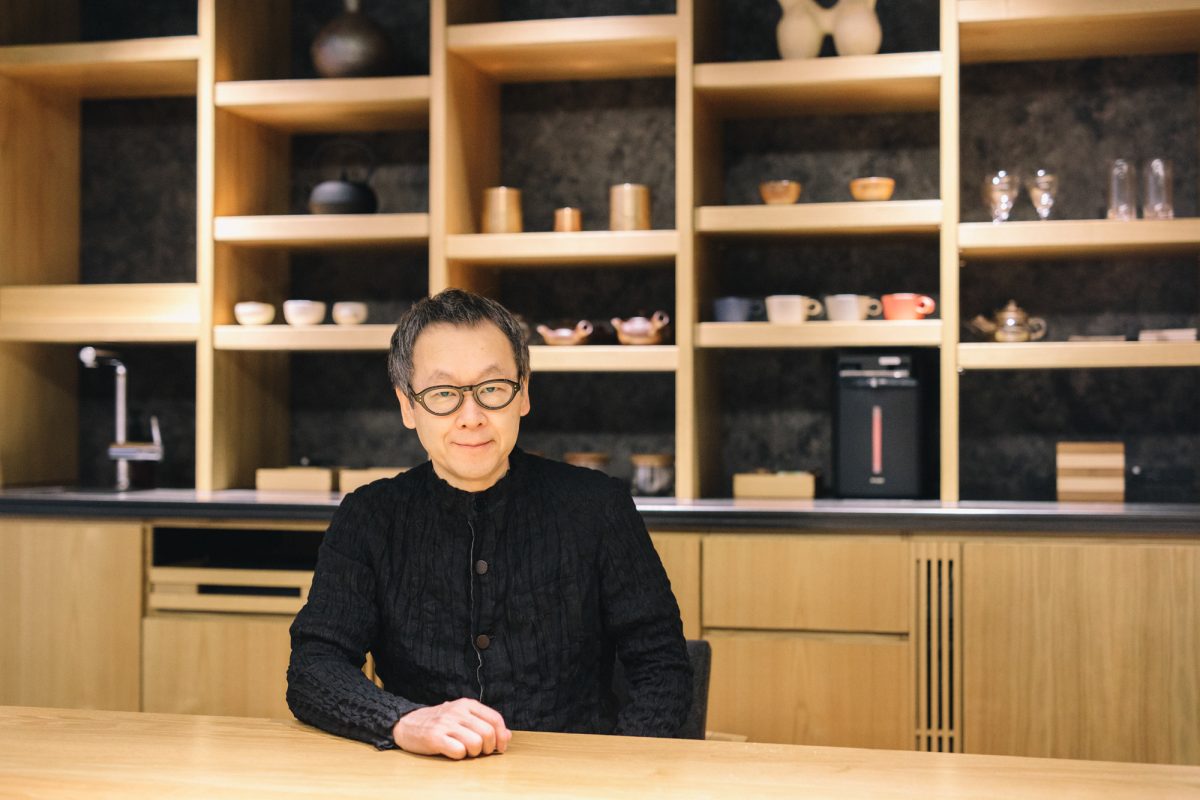 Japan is predicted to receive 40 million international travelers in 2026, suggesting that the current speed of growth may be reaching its threshold. Given the uncertainty—whether this peak will stabilize or lead to a sharp decline—it is crucial to shift our focus from simple expansion to retention. Therefore, ensuring that existing travelers are satisfied with their trip in Japan is paramount, and this is where hospitality plays a vital role.
Meanwhile, it is also important to note that despite the high number of international tourists, domestic tourists still account for the majority of the country’s tourism. This means that maintaining the satisfaction level of Japanese and international tourists is equally important, which could be a challenge for companies in the tourism industry as the two parties typically have different expectations.
We believe the key of sustainability is deconcentration. To prevent the negative impacts of overtourism—the overcrowding and diminished visitor experience in saturated major cities—we must actively encourage travelers to explore our rural areas. This shift from expansion to maintenance is vital because directing revenue and traffic to lesser-known destinations not only elevates the quality of the overall visitor experience but also secures regional revitalization and cultural preservation.
As a leading hotel operator in Japan, Hoshino Resorts is dedicated to sharing the magic of Japan’s unique regional culture with every visitor. We are confident in achieving this through our strategic initiatives: utilizing distinct sub-brands to offer diverse travel experiences, curating one-of-a-kind local experiences across different regions, and implementing a new system to enhance the guest reservation process. Our overarching goal remains unchanged: to become a globally competitive hotel management company.


 Best Rate Guaranteed