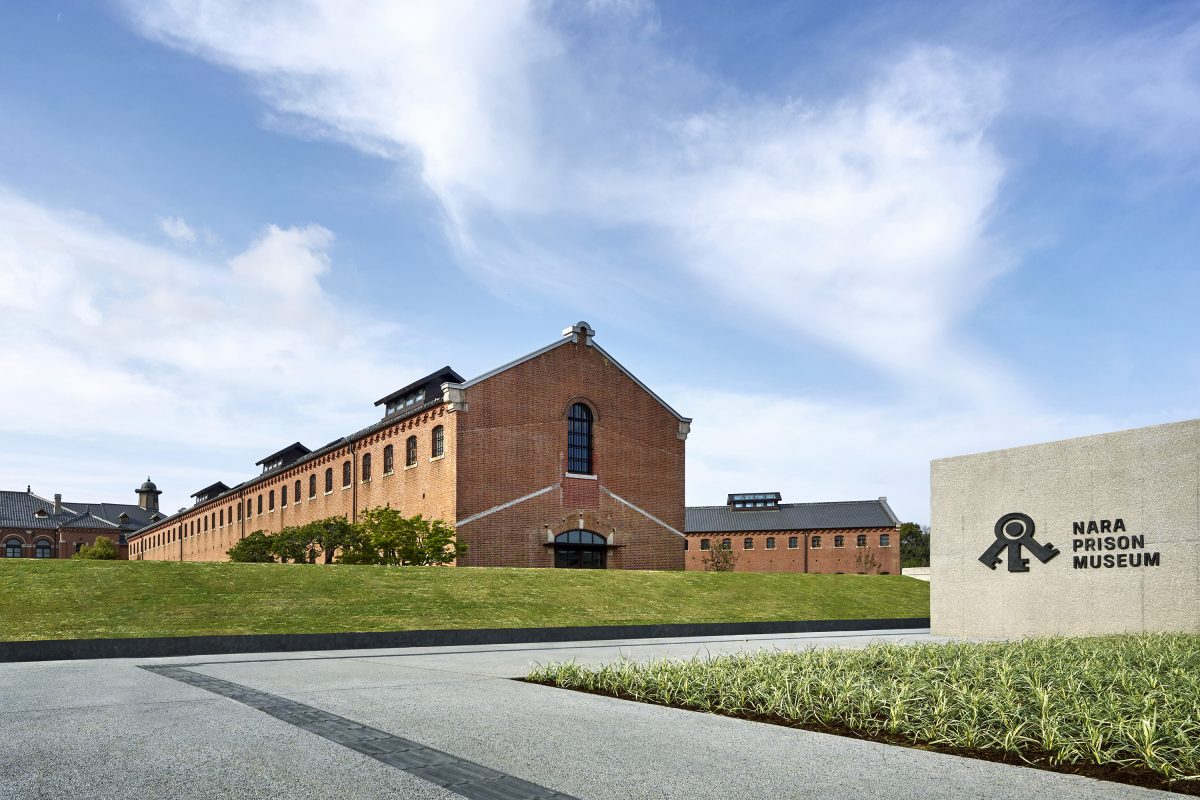
 Nara Prison Museum by Hoshino Resorts opens April 27, 2026, revitalizing the historic Former Nara Prison—the only fully intact survivor of the "Five Great Prisons of Meiji" (*1). Under the concept "An Eternal Question Posed by an Iconic Prison," this groundbreaking museum transforms an Important Cultural Property into a space for deep reflection. Collaborating with world-class creators, the museum explores the history of Japanese corrections and the social structure of incarceration. Beyond its iconic red-brick walls, visitors will trace the regulated lives of former inmates and engage with art inspired by the realities of prison life. By posing fundamental questions provoking thoughts around freedom, the museum offers a first-of-its-kind experience designed to challenge personal worldviews and shake the foundations of everyday life.
*1 The Five Great Prisons of Meiji: Refers to the five major prisons constructed during the Meiji era to meet international standards. These include the Nara, Nagasaki, Kanazawa, Chiba, and Kagoshima Prisons.
The Former Nara Prison: An Important Cultural Property
The Former Nara Prison was established in 1908 as a major national project during Japan’s push for modernization. It was designed by Keijiro Yamashita, an architect renowned for his work on numerous courts and correctional facilities. In 1946, the site was renamed Nara Juvenile Prison, serving as a correctional institution with a strong focus on rehabilitation and reformative education. In 2017, the site was designated a national Important Cultural Property in recognition of its immense historical value and stunning architectural design.
The Concept: An Eternal Question Posed by an Iconic Prison
The Nara Prison Museum aims to be more than just a historical exhibit; it uses design and art to speak for the prison itself, inviting visitors to reflect on their own lives and values. Here, you will confront a history woven into stunning red-brick architecture and receive "inquiries" from a space and time once governed by absolute discipline. As visitors allow their imaginations to unfold, they are encouraged to bridge the gap between their own daily lives and the prison's reality, re-examining the very meaning of "freedom." This is a museum of haunting beauty—a place designed to unsettle the ordinary and stir the soul.
Four Signature Features of Nara Prison Museum
1. Explore Grand Architecture and the Meiji Spirit
The Former Nara Prison is the only fully intact survivor of the "Five Great Prisons of Meiji," built to modernize Japan’s judicial system. The museum showcases a functional architectural beauty, featuring the "Haviland System"—where cell wings (*2) radiate from a central guard tower—and historic English-bond red-brick walls.
In the "Preservation Area," Cell Wing No. 3 features 96 solitary cells where vaulted ceilings and high windows invite natural light, reflecting an early focus on human rights. With its heavy wooden doors and robust iron locks, the space allows visitors to physically sense the atmosphere of a modern prison as it stood over a century ago.
*2 Cell Wing: A general term for housing units containing solitary or shared cells.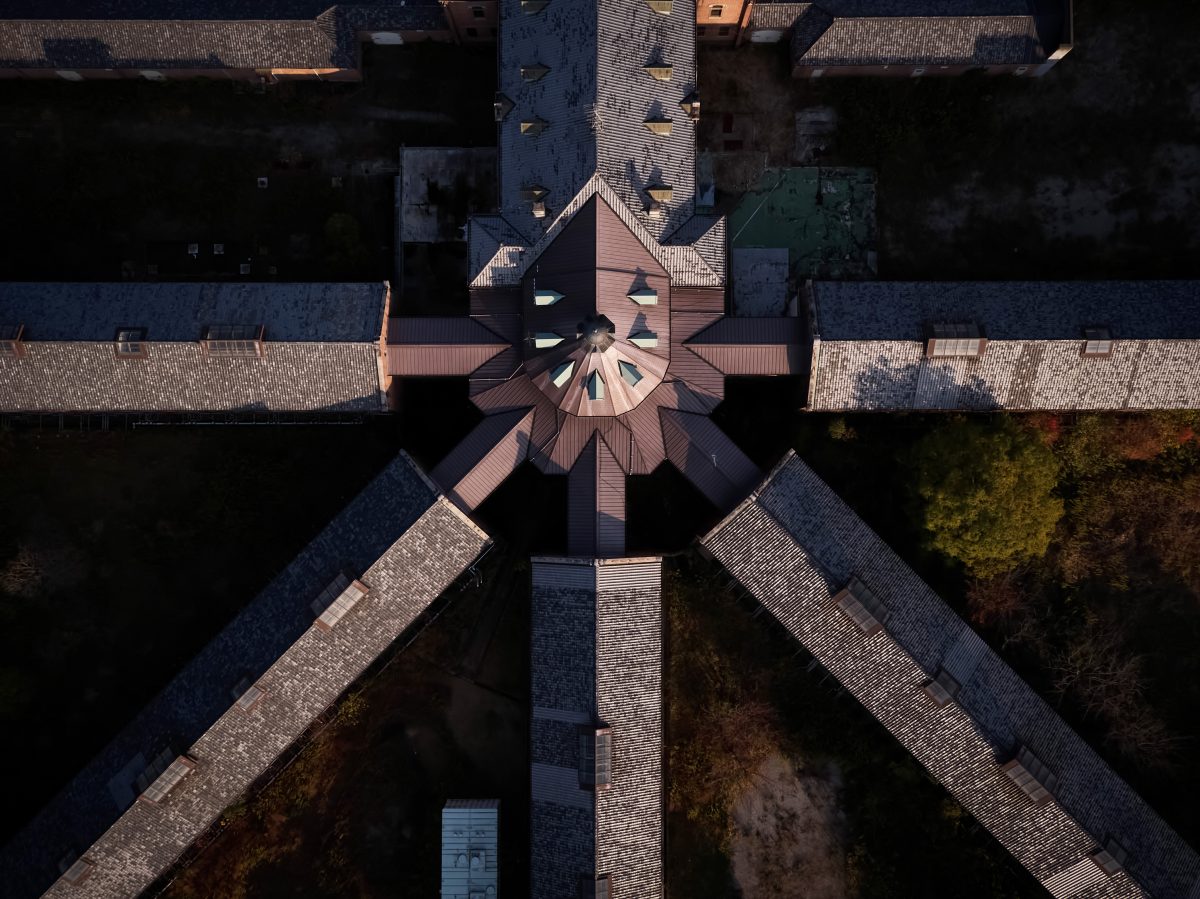 The Haviland System
 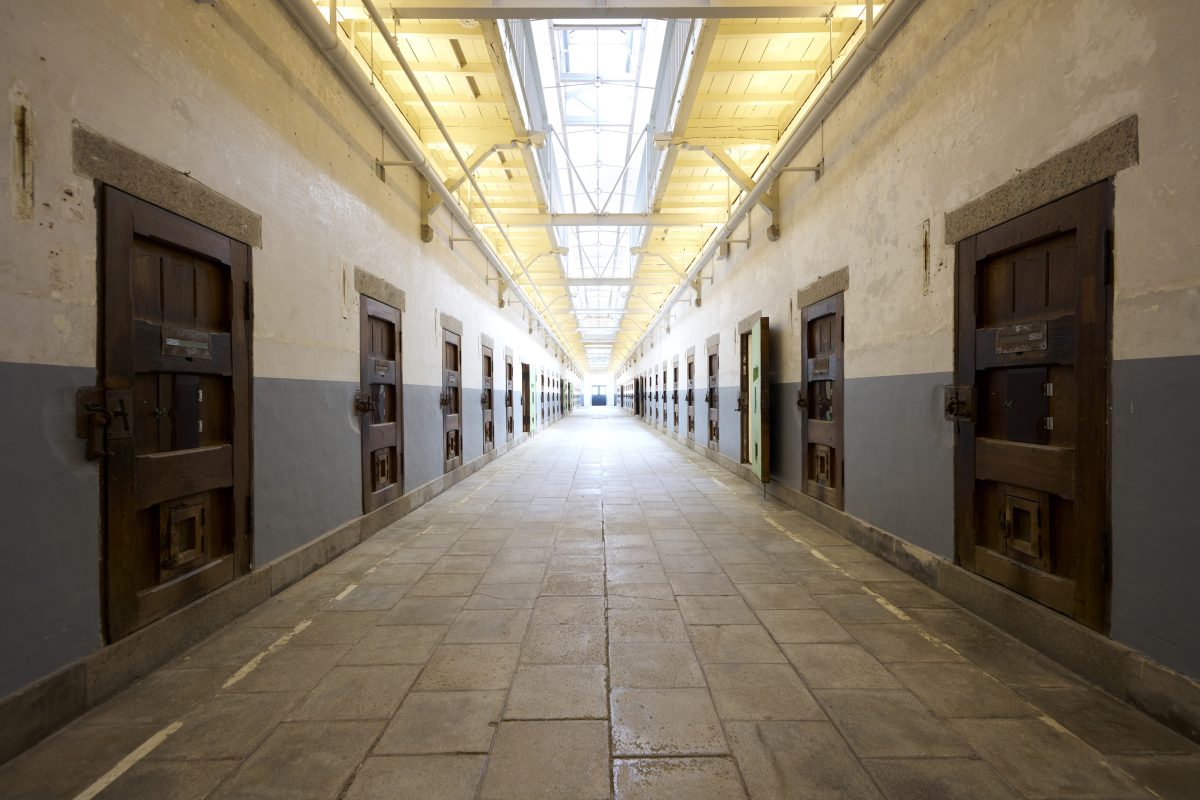 The "Preservation Area," Cell Wing No. 3
2. Exhibitions that invites inquiry from diverse perspectives
Building A: Tracing the Red Brick Legacy of Justice
In Building A, eight exhibition rooms introduce the history of Nara Prison alongside the evolution of Japan’s judicial system.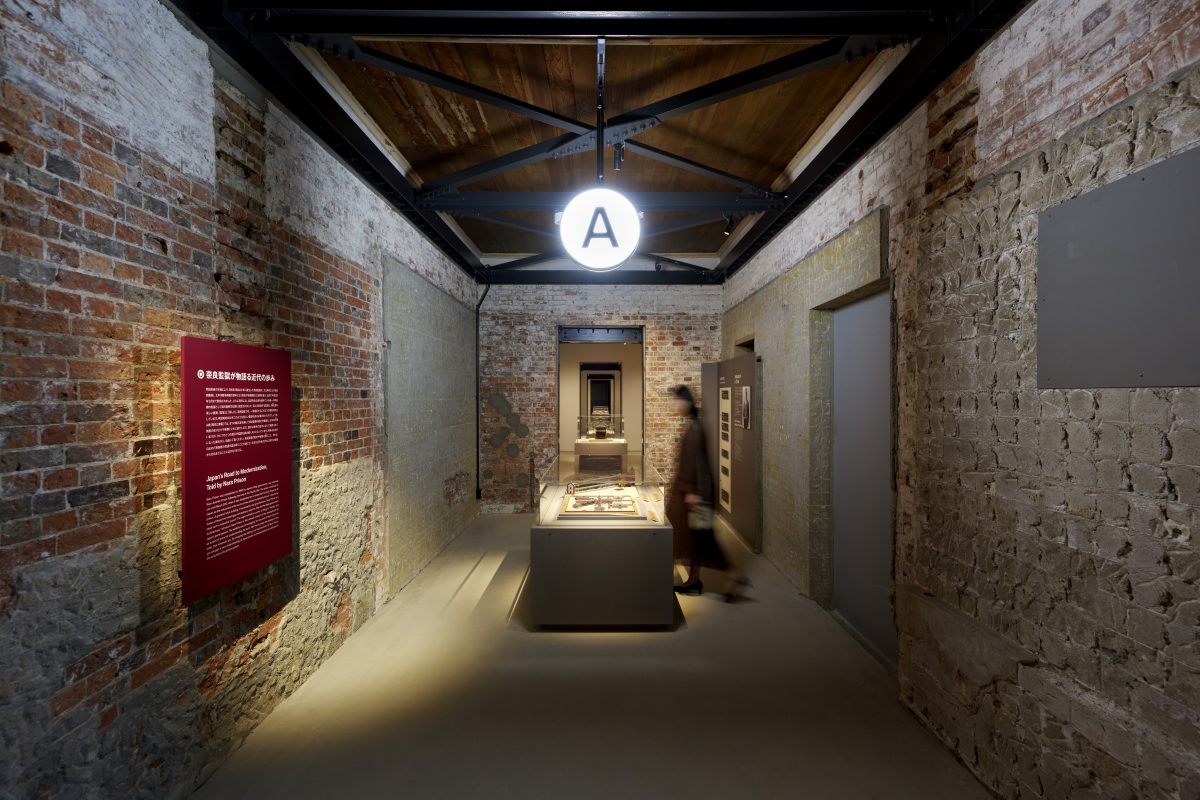 Building A, a series of eight exhibition rooms
 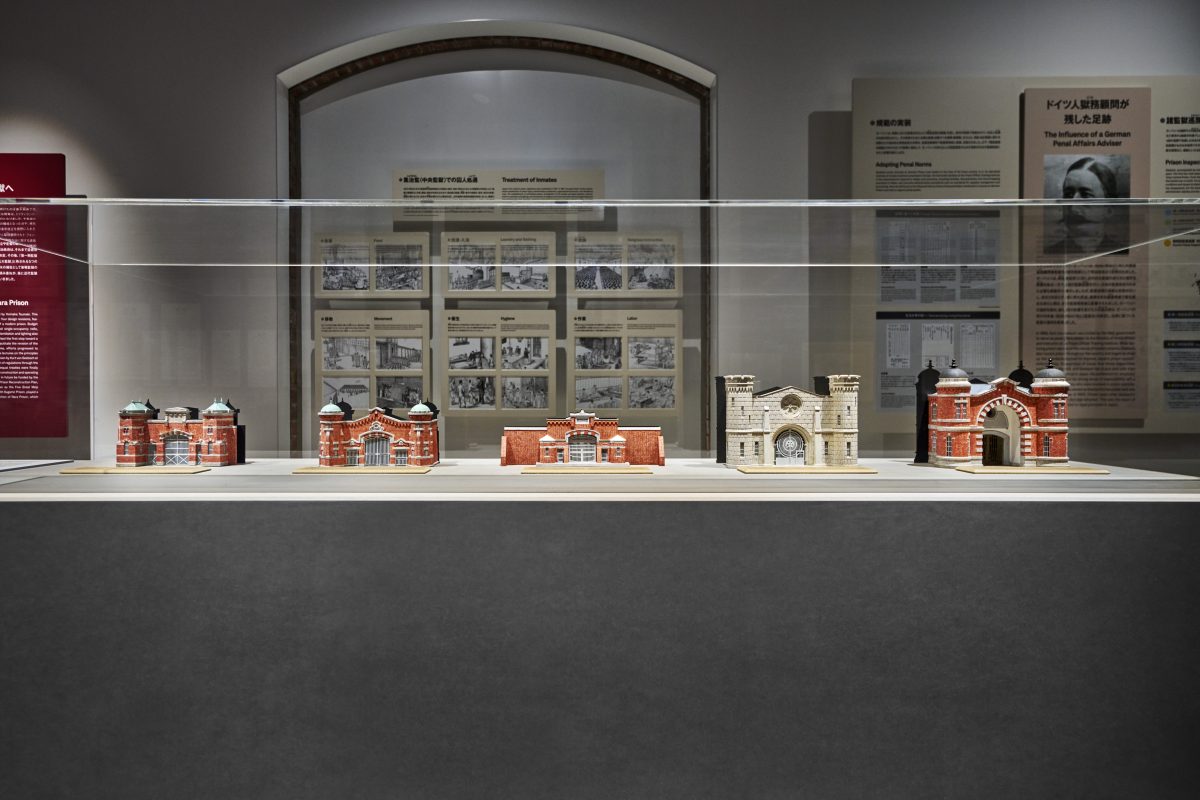 Scale models of the Five Great Prisons of Meiji
Aiming to be recognized as a modern constitutional state by foreign powers—with the goal of revising "unequal treaties"—the Meiji government sought to create prisons that prioritized human rights. The exhibits allow visitors to trace the footsteps of the architect, Keijiro Yamashita, who spearheaded this massive project. Visitors can also explore the facility's design—specifically the radial structure that allowed the entire grounds to be monitored from a central guardhouse—and the cutting-edge technology of the era through a 1/420 scale model. The red bricks, chosen for their fire resistance and durability, were manufactured and laid by the inmates themselves under the guidance of skilled craftsmen. In 1906 alone, over 150,000 people (cumulative total) were involved in this grand undertaking.
During its subsequent era as "Nara Juvenile Prison," it became Japan’s first comprehensive training facility. Beyond vocational training and rehabilitation, the prison introduced high school correspondence courses, where inmates were referred to as "students." The facility maintained strong ties with the local community through initiatives like the "Wakakusa Barber Shop" (open to the public) and various sports exchanges. Building A displays illustrations and photographs depicting daily work and recreation from those years.
Building B: “Discipline and Daily Life” / Questioning the Meaning of "Freedom" Through the Lives of Inmates
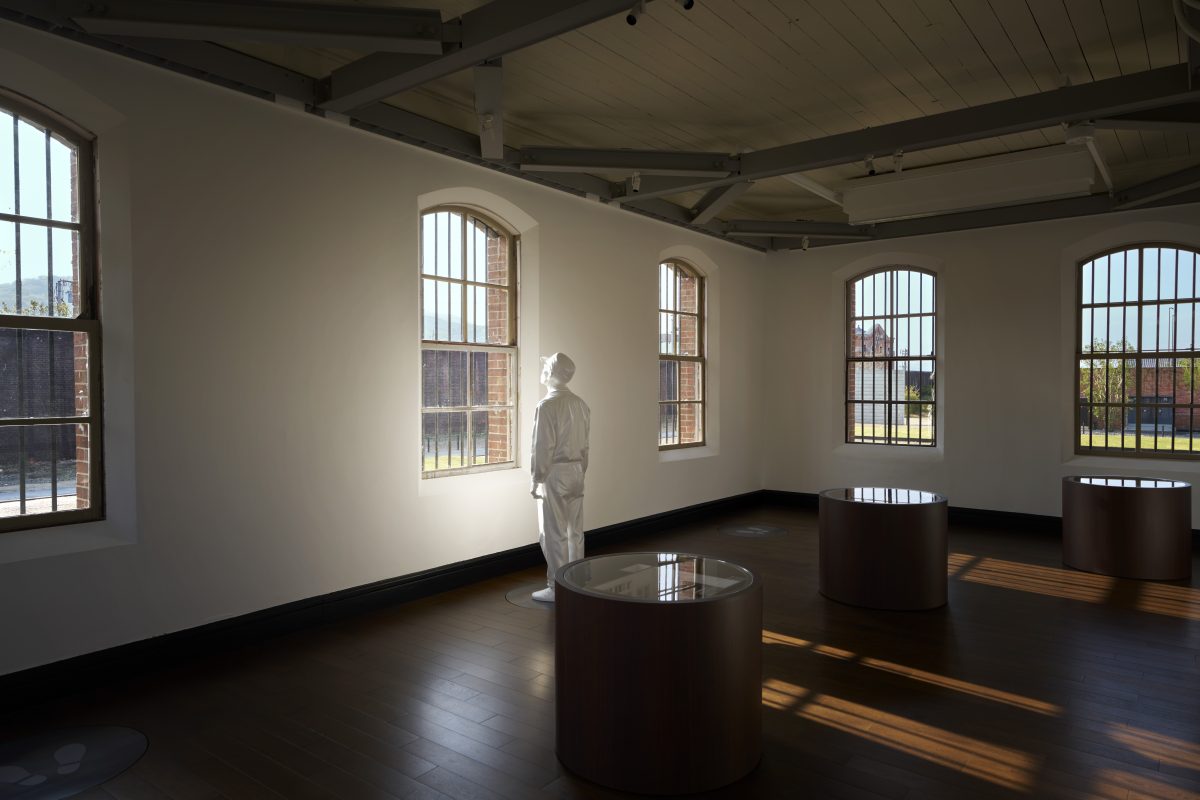
Building B explores life within the unique confines of prison through seven design-driven themes: Discipline, Meals, Hygiene, Labor, Rehabilitation, Money, and Freedom. From the rigid protocols of "Discipline"—governing everything from sleep to folding bedding—to the graphic depictions of mandated "Hygiene" and the regional varieties of prison "Meals," the exhibits reveal a world defined by strict regulation. By tracing these highly controlled routines, visitors are prompted to reflect on the rigid schedules and societal pressures of modern life, ultimately facing the provocative question: "Are we truly free?"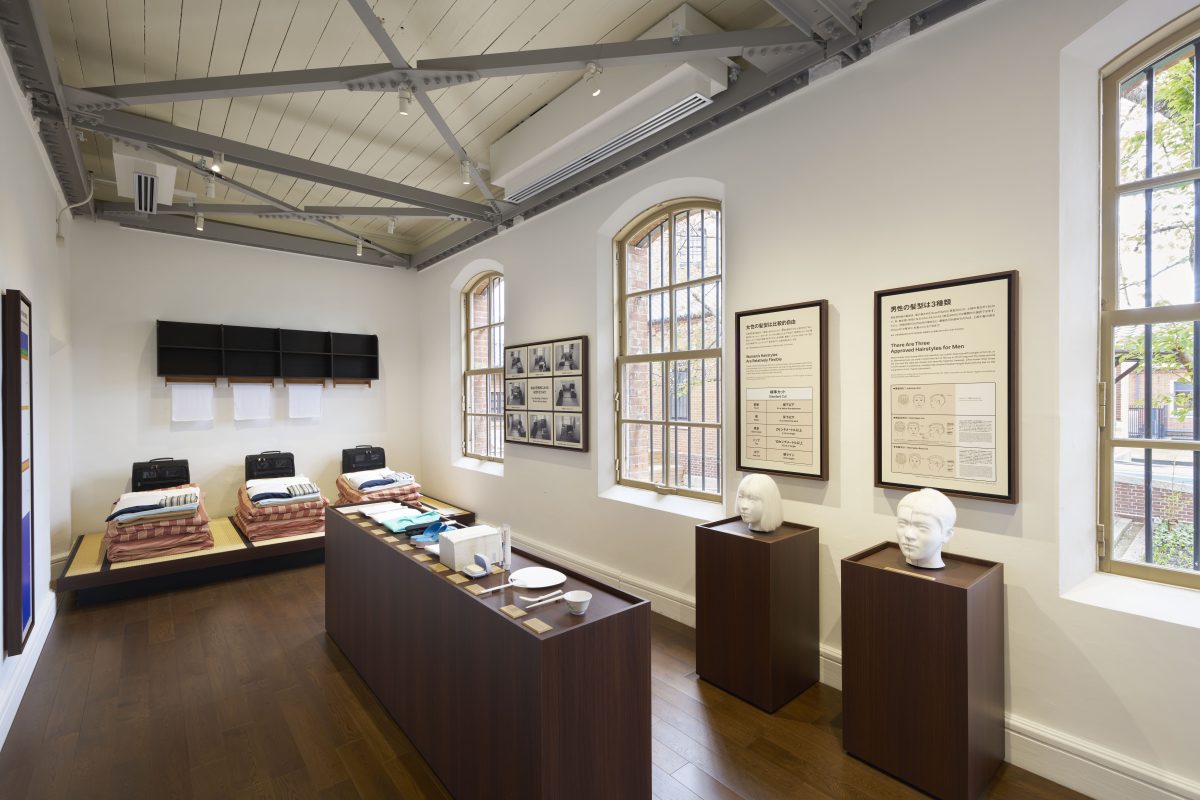 The “Discipline” Section
  The “Freedom” Section
Building C: "Prisons and Art" / Stirring the Senses to Reimagine Daily Life
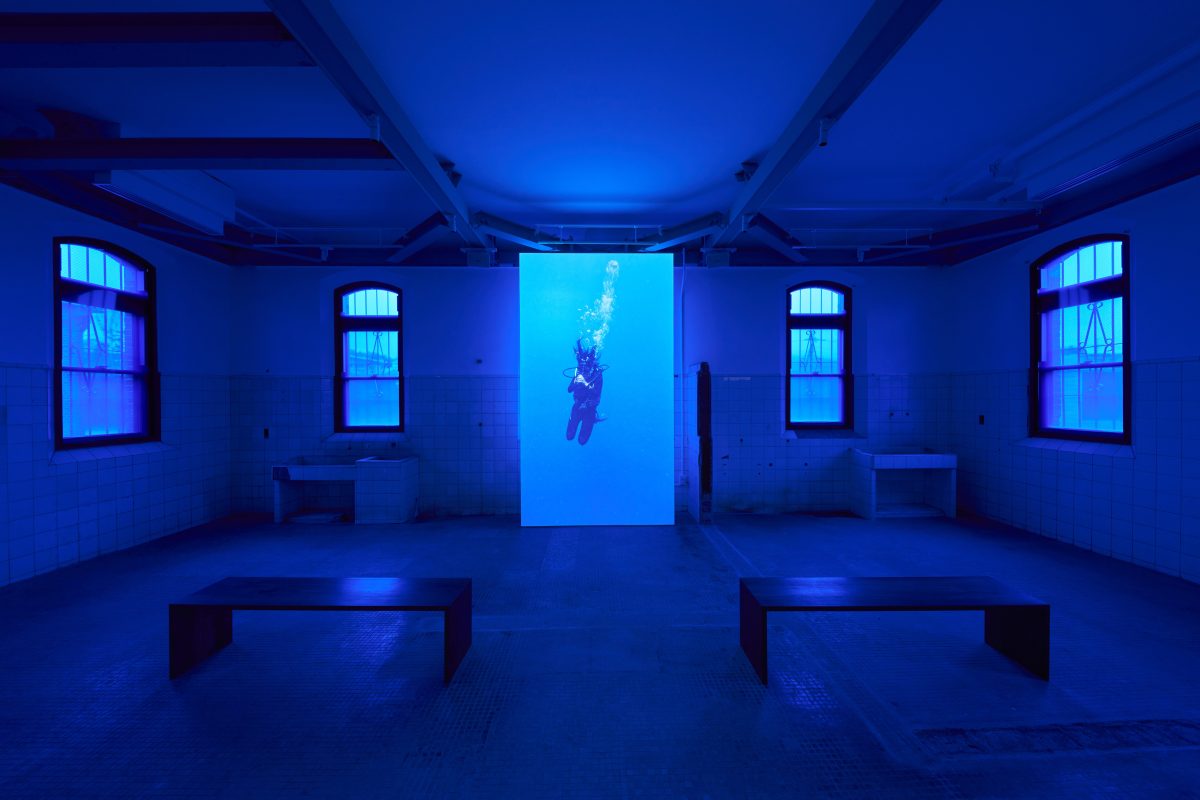
In Building C, a renovated former infirmary, five groups of artists and inmates present works centered on universal themes such as "Crime and Punishment" and "Time and Life." By engaging with the sharp questions posed by these pieces, visitors are encouraged to challenge their own sensibilities and refresh their perspectives on everyday life. The exhibition concludes in the “Musubi Room,” which hosts the "Prison Postcard Project"—an initiative allowing visitors to send messages to the artists or their own loved ones.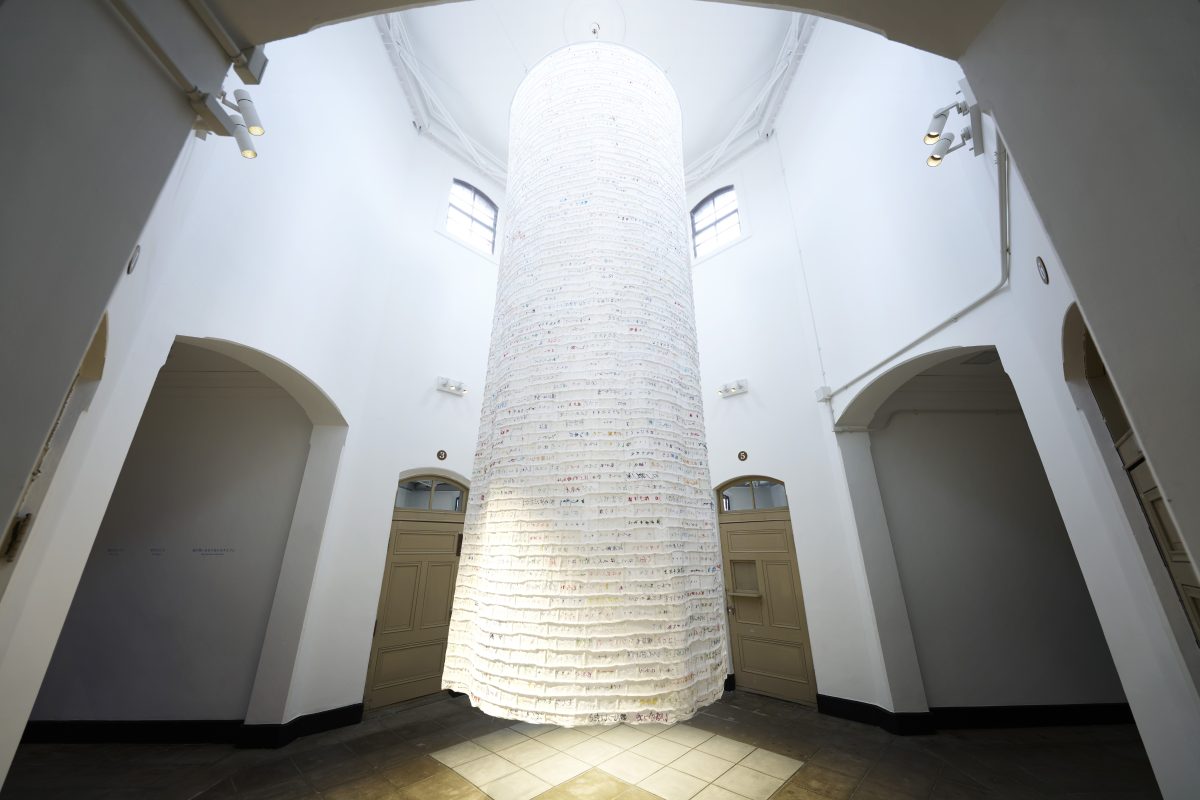 Stitching Voices, Yoshinari Nishio
  Prayers Dissolved in the Sea, Kyunchome
~ Five Artworks by Five Artists ~
■Doing Time, Kazuichi Hanawa
Based on his real-life experience serving time for the illegal restoration of model guns, Kazuichi Hanawa’s masterpiece, Doing Time, depicts prison life with meticulous detail and humor. By portraying inmates living through days bound by rigid discipline, the work quietly challenges the values and perspectives of those of us living in "free" society.
■Stitching Voices, Yoshinari Nishio
An artwork by a local artist from Nara Prefecture. This participatory work features poems written by inmates, brought to life through embroidery by over 200 citizens. As the "inner voices" etched into the fabric layer upon one another, they envelop the viewer in a soft, resonant hum of human emotion.
■A Room Where Things Pass / Midori Mitamura
Mitamura defines her art as a "drama that people can step into." Set in a space resembling an "actorless stage set," the viewer becomes the protagonist, retracing a semi-autobiographical narrative. The memories of those who once lived here overlap with the artist’s own scenes, evoking an anonymous and universal sense of nostalgia.
■Order and the NEW Us / Sachiko Kazama
A contemporary artist known for using massive woodblock prints to depict the absurdities of modern civilization. This work overlays the history of the former Nara Prison with twin narratives of Japan’s modernization and juvenile rehabilitation, projecting the artist’s own past experiences. She powerfully expresses the hope of surviving any circumstance through the figure of "School Wars Man"—an invincible hero representing redemption.
■Prayers Dissolved in the Sea / Kyunchome
Kyunchome is a two-person art unit formed by Eri Homma and Nabuchi, who have created a space-time that draws the mind toward distant horizons, deepening the visitor's reflections on "human karma" and "crime and punishment." The duo has transformed what was once an infirmary into a space filled with quiet, immersive prayer.
~ Prison Art ~
From the entries submitted to the "Prison Art Exhibition" (held since 2023), this section features paintings, calligraphy, and literary works created voluntarily by inmates. Within the strict confines of prison—where materials and tools are heavily restricted—these pieces showcase remarkable ingenuity. Highlights include intricate drawings rendered solely in ballpoint pen and techniques that use limited watercolors to achieve the rich texture of oil paint. Through these works, visitors can feel the raw passion for expression and the boundless creativity of the human spirit.
~ The Prison Postcard Project: Forging Connections and Opening Dialogues Through Words ~
The exhibition concludes in the "Musubi Room," a space to reflect on the questions and personal shifts you experienced during your visit. Here, you are invited to give shape to your thoughts by writing postcards to inmates, artists, or loved ones. These messages are displayed on the gallery walls, and as part of an ongoing project to bridge the gap between the prison and society, a selection of these cards is delivered to correctional facilities. By entrusting your words to this special mailbox, you participate in a dialogue that transcends walls, potentially sparking new connections and insights.
~Collaboration Partner: Prison Arts Connections (PAC)~
Focusing primarily on the planning and management of the "Prison Art Exhibition," PAC works to create opportunities for dialogue and recovery that transcend the boundaries between the inside and outside of prisons, as well as the divide between victim and perpetrator.
3. Savor the Afterglow: Museum Cafe & Shop
After exploring the exhibits, unwind at the cafe with signature items like the crunchy Red Brick Curry Bread—a nod to the prison’s popular Meiji-era menu—or a cheesecake inspired by authentic 1908 recipes. It is the perfect space to reflect while overlooking the gardens and historic brickwork.
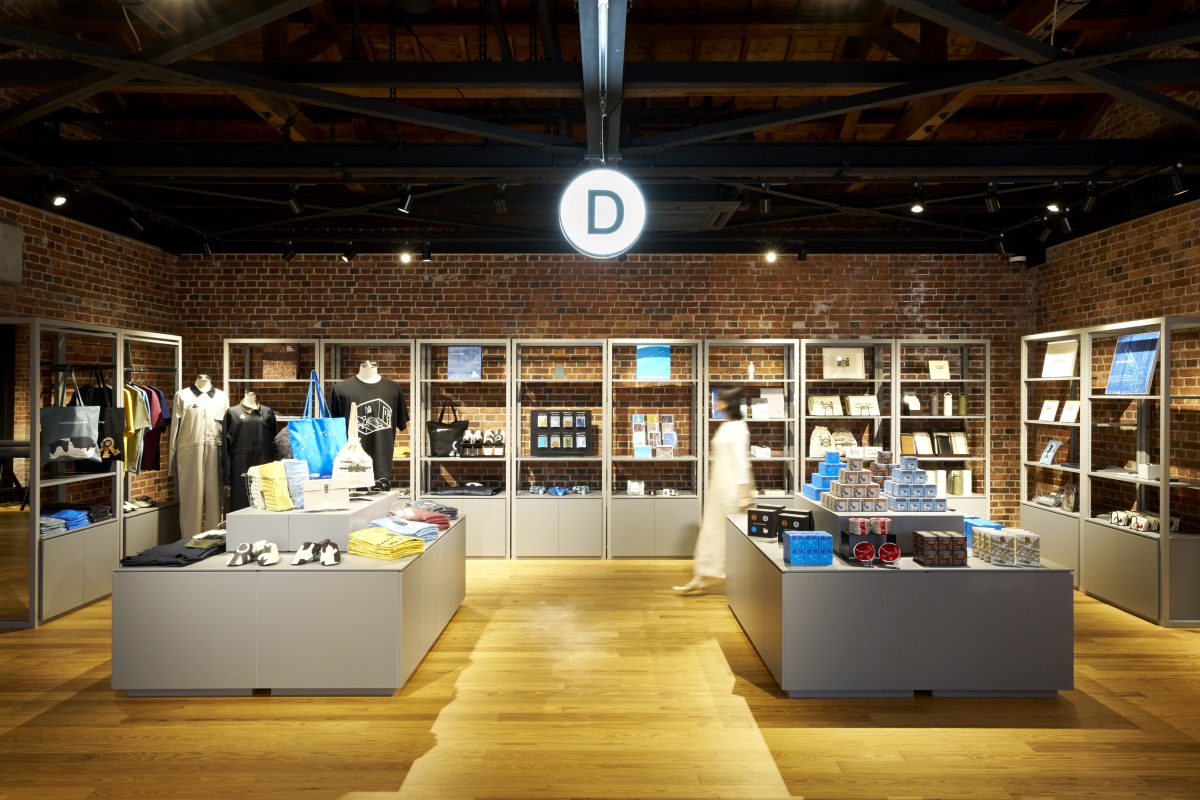
The Museum Shop offers a variety of original apparel and stationery inspired by the site's architecture. It also features a curated gallery of prison-made products from across Japan, selected by Art Director Taku Satoh for their exceptional design and available for purchase.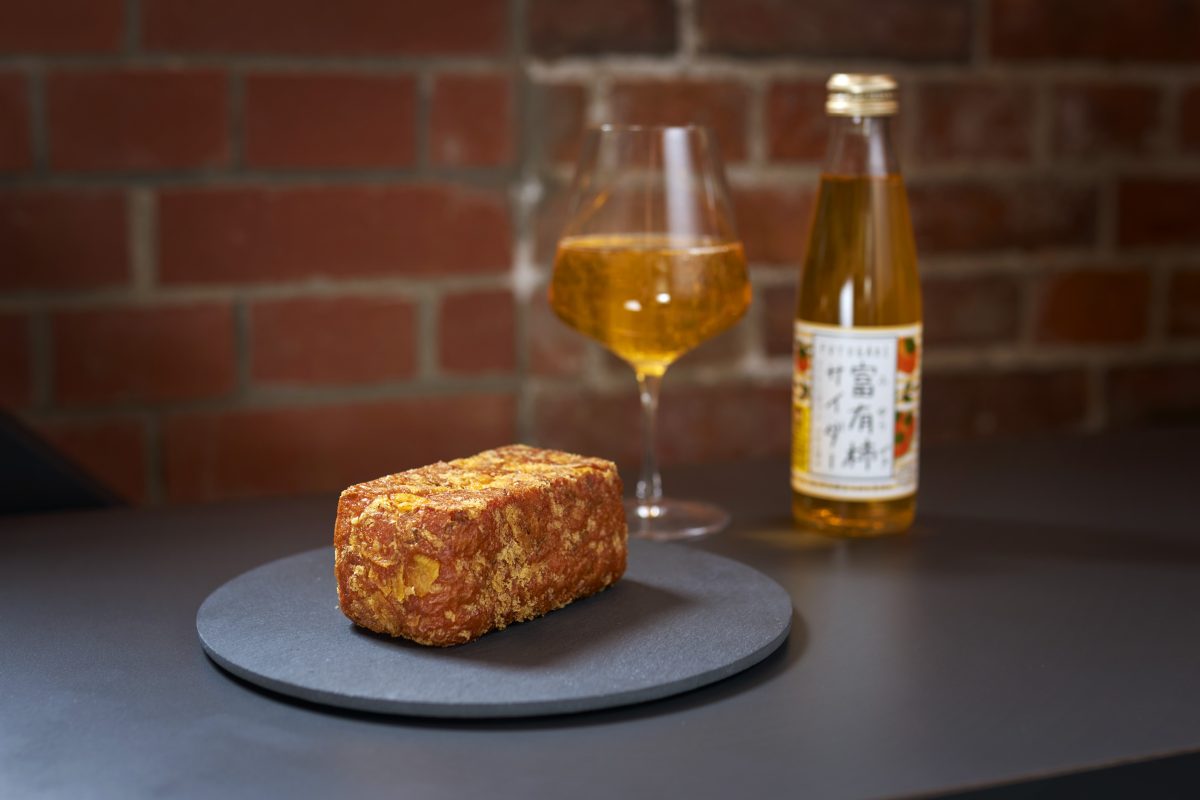 Curry Bread inspired by the iconic red bricks
  The Museum Shop
Museum Cafe
Hours: 10:00 – 16:45 (Last Order)
Menu Highlights: "Red Brick Curry Bread": 600 yen (tax incl.); "Cheesecake 1908": 600 yen (tax incl.)
Museum Shop
Hours: 11:00 – 17:00
Note: Access to the Museum Cafe & Shop is limited to museum ticket holders.
4. "Concept and Design" by World-Class Creators
■ Hoshino Resorts’ First Museum Venture: A Collaborative "Inquiry" with World-Class Creators
The Nara Prison Museum marks the first museum project undertaken by Hoshino Resorts. To delve deeply into the unique theme of a prison, we collaborated with world-renowned creators to co-create a thought-provoking journey, leveraging the sharp, expressive power of these artists to convey the site's essential value.
Art Director: Taku Satoh / TSDO
A graduate of Tokyo University of the Arts, Taku Satoh is a celebrated designer known for his packaging for products such as Lotte Xylitol Gum and Meiji Oishii Gyunyu milk. His work spans graphic design, branding, and corporate identity. He serves as the general director for the NHK E-TV program Design Ah and Design Ah Neo, and is the director and president of 21_21 DESIGN SIGHT, where he has curated numerous exhibitions. He is currently the president of Kyoto University of the Arts and has received prestigious honors including the Mainichi Design Award, the Minister of Education Award for Fine Arts, and the Medal of Honor with Purple Ribbon. Art Directer: Taku Satoh
Museography Supervisor: Adrien Gardère
Adrien Gardère has designed permanent exhibitions for more than 13 museums worldwide, including the Aga Khan Museum in Toronto (designed by Fumihiko Maki), the Louvre-Lens (designed by SANAA), and the Royal Academy of Arts in London (designed by David Chipperfield).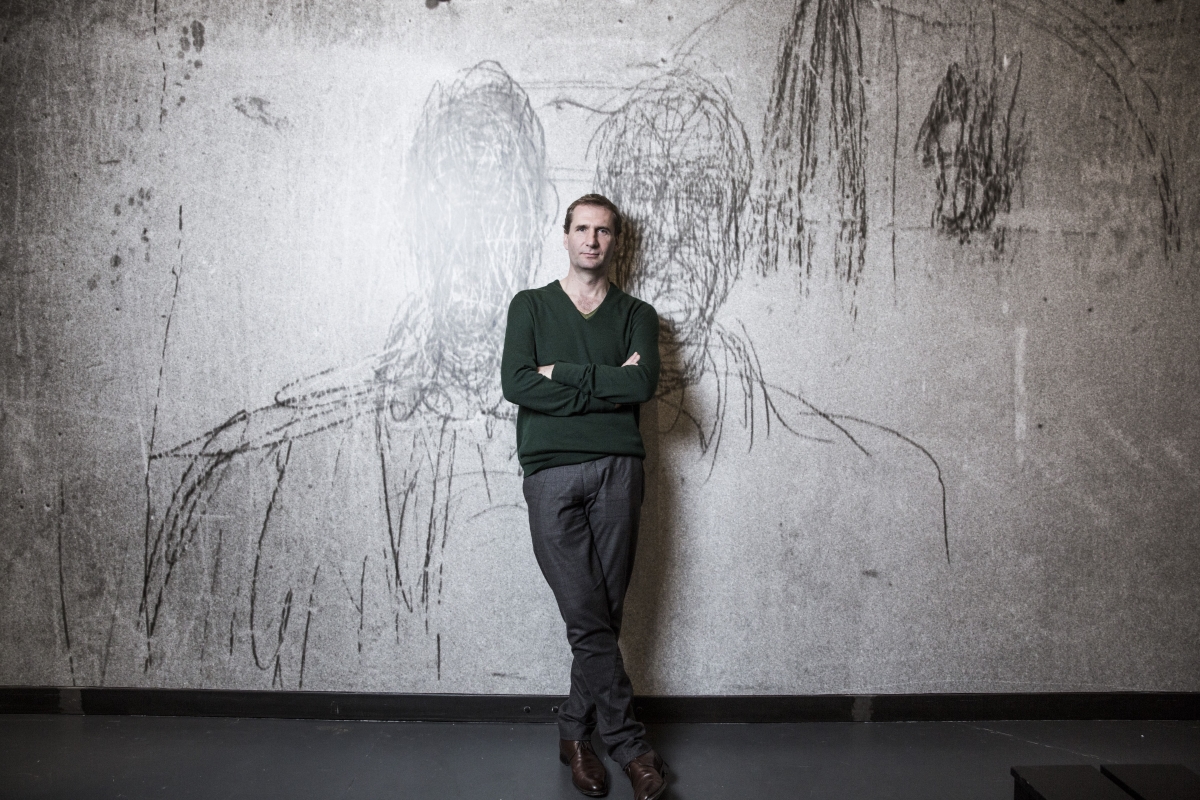 Museography Supervisor: Adrien Gardère
Property Details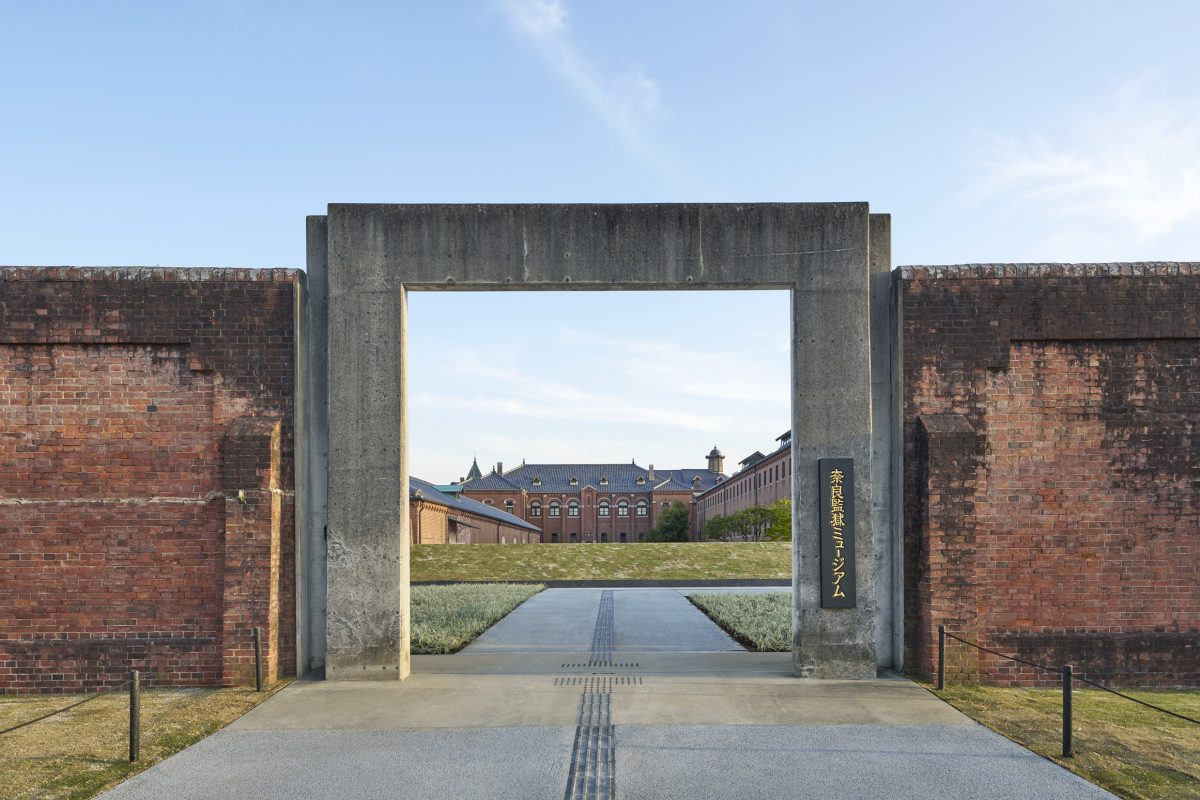
Address: 18 Hannyaji-cho, Nara City, Nara Prefecture
Hours: 9:00 AM – 5:00 PM (Last entry at 4:00 PM)
Closed: Open daily
Admission: Adults from 2,500 yen (tax incl.)
Reservations: Available via the official website booking page. Advance booking is recommended.
Access: 1-minute walk from the "Nara Prison Museum" bus stop (direct bus service).
18 minutes from Kintetsu Nara Station
25 minutes from JR Nara Station


 Best Rate Guaranteed