HOSHINOYA, a collection of luxury properties each offering an overwhelming escape from the everyday through a unique, distinct theme, announces the opening of HOSHINOYA Nara Prison (Nara City, Nara Prefecture) on June 25, 2026. Set within the former Nara Prison, a government-designated Important Cultural Property with more than a century of history, the 48-room luxury hotel repurposes the only grand architectural legacy to survive entirely intact among the "Five Great Prisons of Meiji," which were built by the Meiji government to symbolize the prestige of a modernizing nation. Spanning a 25-acre site, the development also includes the Nara Prison Museum by Hoshino Resorts, creating an integrated destination where hospitality and heritage intersect. By offering the one-of-a-kind experience of staying within a historically significant former prison while engaging with its rich history, HOSHINOYA Nara Prison makes its debut as Japan's premier heritage resort, contributing to the preservation of this cultural asset for future generations.
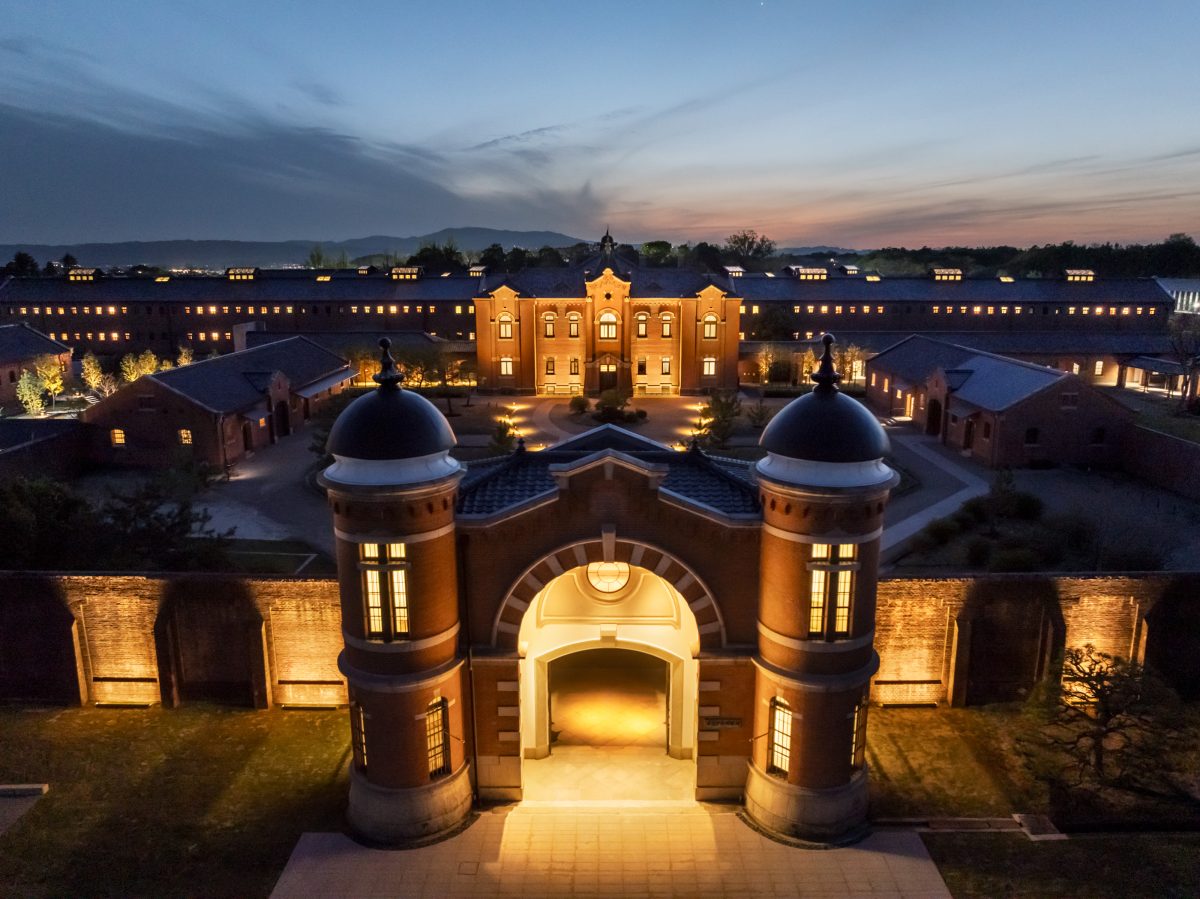
■ Historical Significance of the Iconic Former Nara Prison
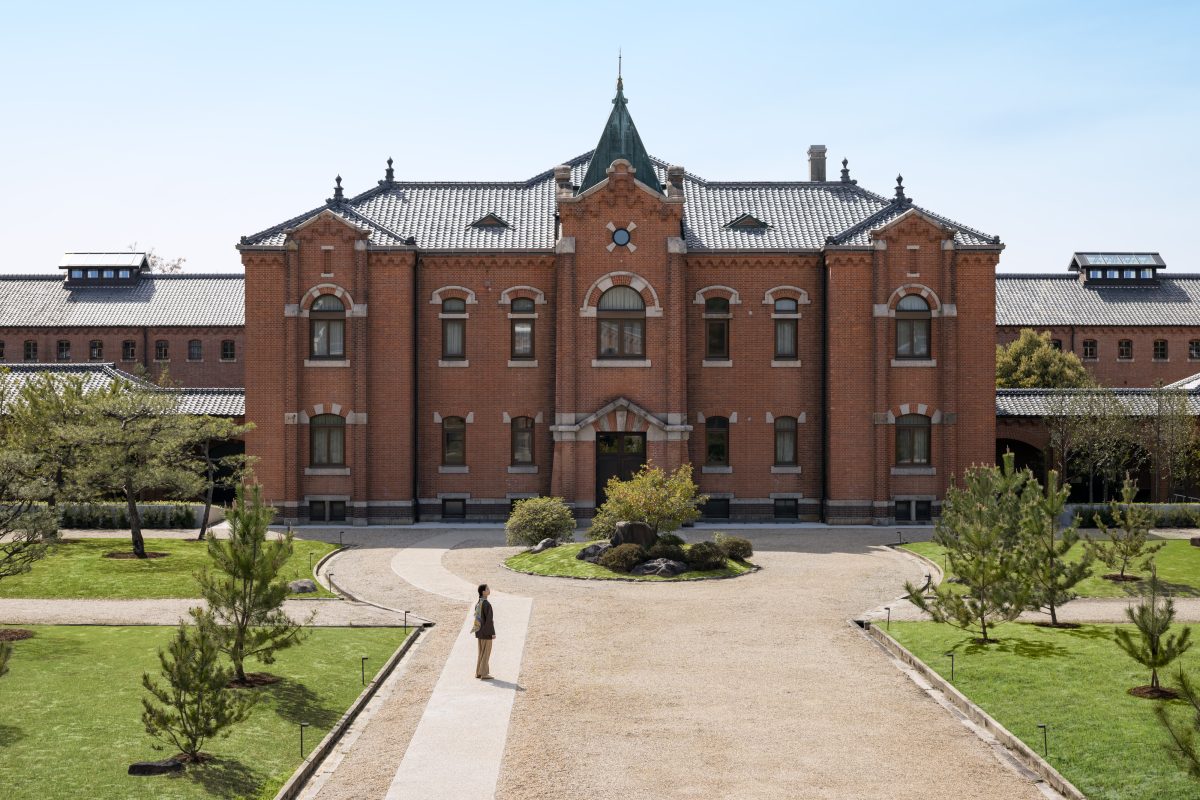
The Meiji government (1868-1912) set out to modernize the nation's judicial system, building the "Five Great Prisons of Meiji" as a testament to national prestige. Among them, the former Nara Prison is the only one to have preserved its original structure almost perfectly. Completed in 1908 under the design of architect Keijiro Yamashita, the prison features red-brick exterior walls and utilizes the Haviland System, a layout where cell wings radiate outward from a central guard station. It became the model for modern prisons, seamlessly blending functionality with architectural beauty. In 1946, the facility was renamed the Nara Juvenile Prison, serving as a center for rehabilitation and education for over 70 years. In recognition of its profound historical value and architectural beauty, it was designated a National Important Cultural Property in 2017.
■ Protecting Important Cultural Properties Through Tourism: The "Cycle of Heritage"
Unlike conventional ground-up resorts, the defining characteristic of this project is distinguished by the adaptive reuse of the former Nara Prison. Originally constructed as a symbol of national prestige, the facility retains its distinctive design, scale, and functional beauty, making it a rare and irreplaceable cultural asset. Recognizing the importance of preserving this heritage, Hoshino Resorts collaborated with the national government and a multidisciplinary team of experts over approximately seven years to restore and renovate the property while meticulously preserving its historical integrity. Rather than standardizing the guest rooms, the project sought to highlight the building’s original character while adapting to contemporary hospitality needs.
By introducing the novel experience of staying within an Important Cultural Property, Hoshino Resorts proposes a pioneering example of the "cycle of heritage," where the very act of visiting and staying serves to protect and sustain cultural properties through tourism.
■ Concept: From Historic Walls to Timeless Elegance
Guided by the concept, "From Historic Walls to Timeless Elegance," the luxury hotel transforms a century of institutional history into a sanctuary of sophisticated luxury. Drawing inspiration from the Meiji era — the dawn of modern Japan — the resort seamlessly weaves the rich, Western-influenced cultural elements of the country's early globalization into every detail of the guest experience. Here, the profound weight of history meets an escape from the everyday, creating a deeply immersive journey where a grand architectural legacy begins its next timeless chapter.
■ Design: A Fusion of Former Prison History and Contemporary Aesthetics
The gateway welcoming guests to HOSHINOYA Nara Prison is the historic main gate. Once inside, visitors are greeted by the view of the iconic former central guardhouse and the radial cell blocks extending outward. The functional beauty once refined as a prison has been elevated into a contemporary corridor design, becoming a truly unique architectural expression.
In the process of its transformation into a hotel, spaces that have been boldly redesigned for modern comfort coexist with areas that preserve their original value as an Important Cultural Property. By carefully integrating contemporary lighting, the project brings not only historical beauty but also a gentle sense of life and breath to the space. Within a vast site of approximately 100,000 m², guests can experience a truly special stay, quietly engaging with the flow of history that spans centuries.
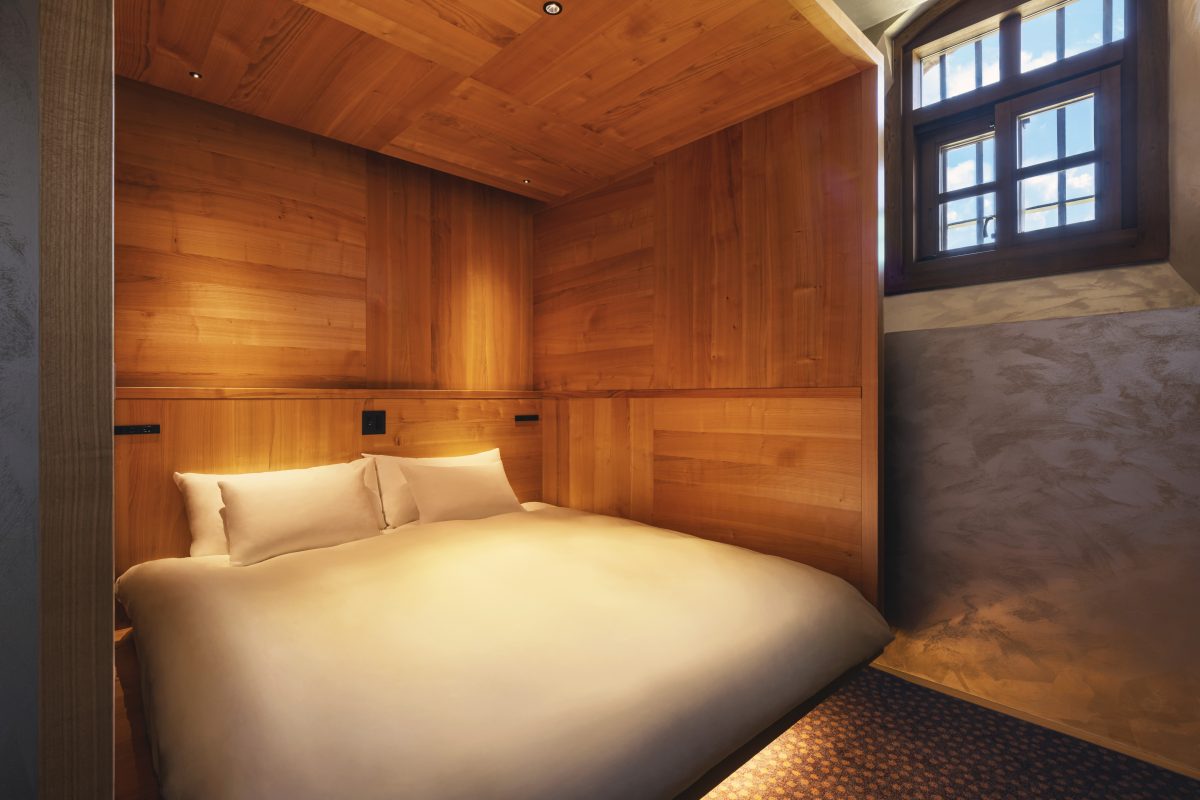
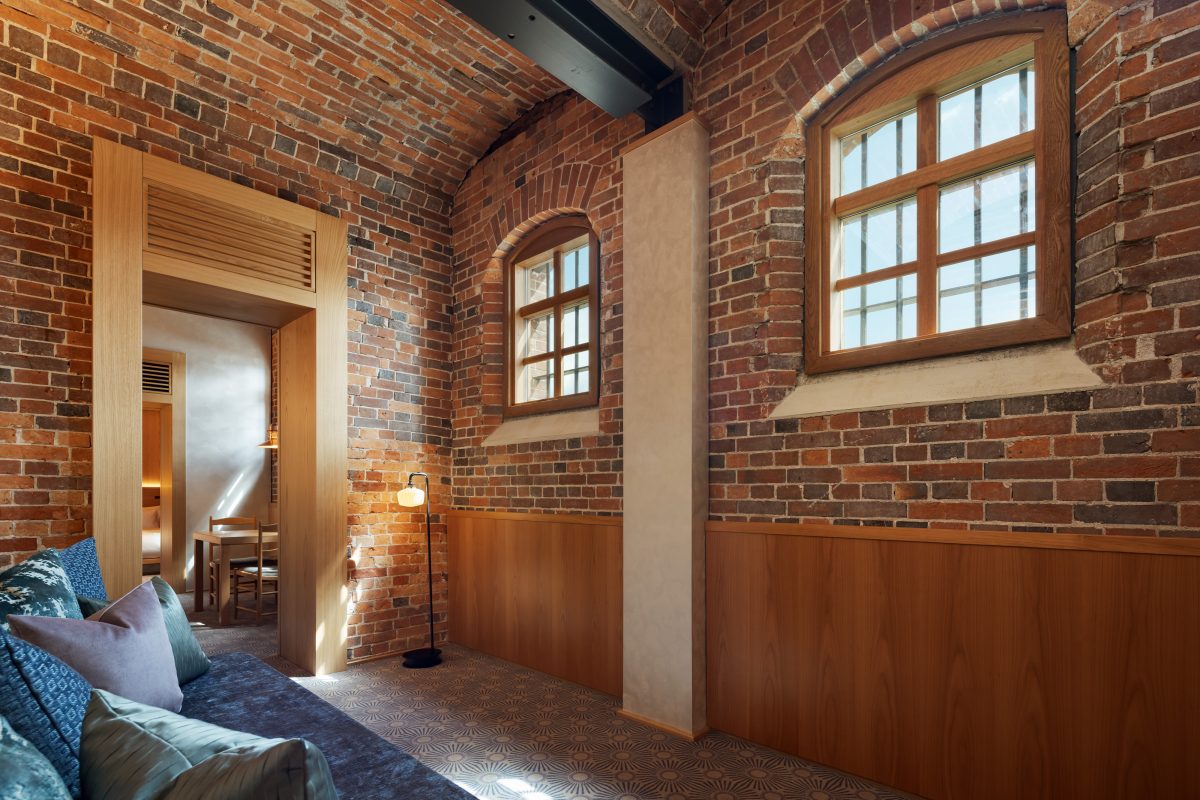
Guest Rooms:All-suite rooms created from connected cells
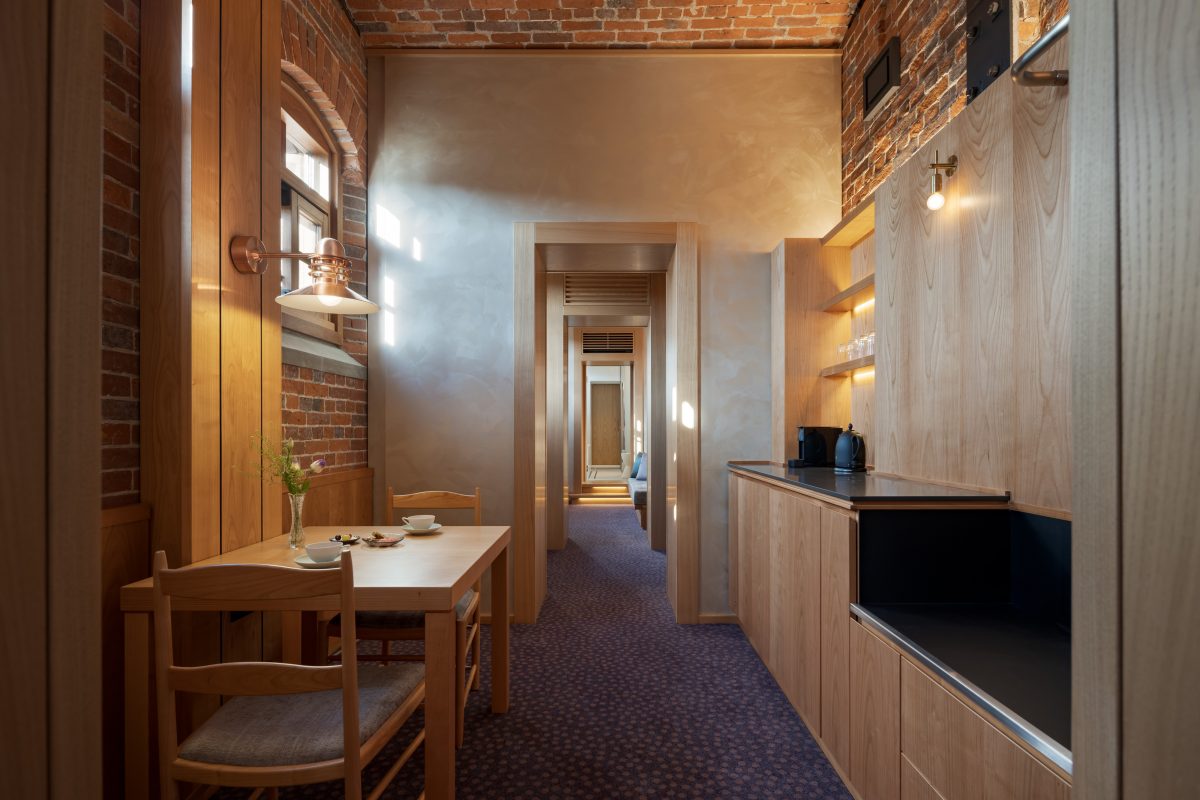
The guest rooms have been boldly transformed into private suites by connecting former cell blocks into spacious suite rooms. Rather than focusing on confinement, the spatial characteristics are interpreted as a powerful design statement, elevating functional contradictions into a refined architectural appeal.
Among the three available room types, "The 11-Cell Deluxe" offers the most spacious accommodation, featuring a generous dressing lounge and expansive living space. Guests can enjoy specially curated amenities, including comfortable room wear, a selection of books chosen to encourage reflection, music designed to promote relaxation, soothing custom fragrances, and carefully selected wines and local sake.
Throughout the rooms, original architectural features have been carefully preserved and highlighted. Historic hand-laid brickwork has been exposed beneath the original plaster finishes, while the ceiling mouldings retain their original design, visually conveying over a century of layered history. The harmony between the rugged steel pillars added during the renovation and the warmth of the wood paneling creates a harmonious dialogue between past and present, reflecting the thoughtful adaptation of the structure.
Main Lounge: A second living room for elegant relaxation
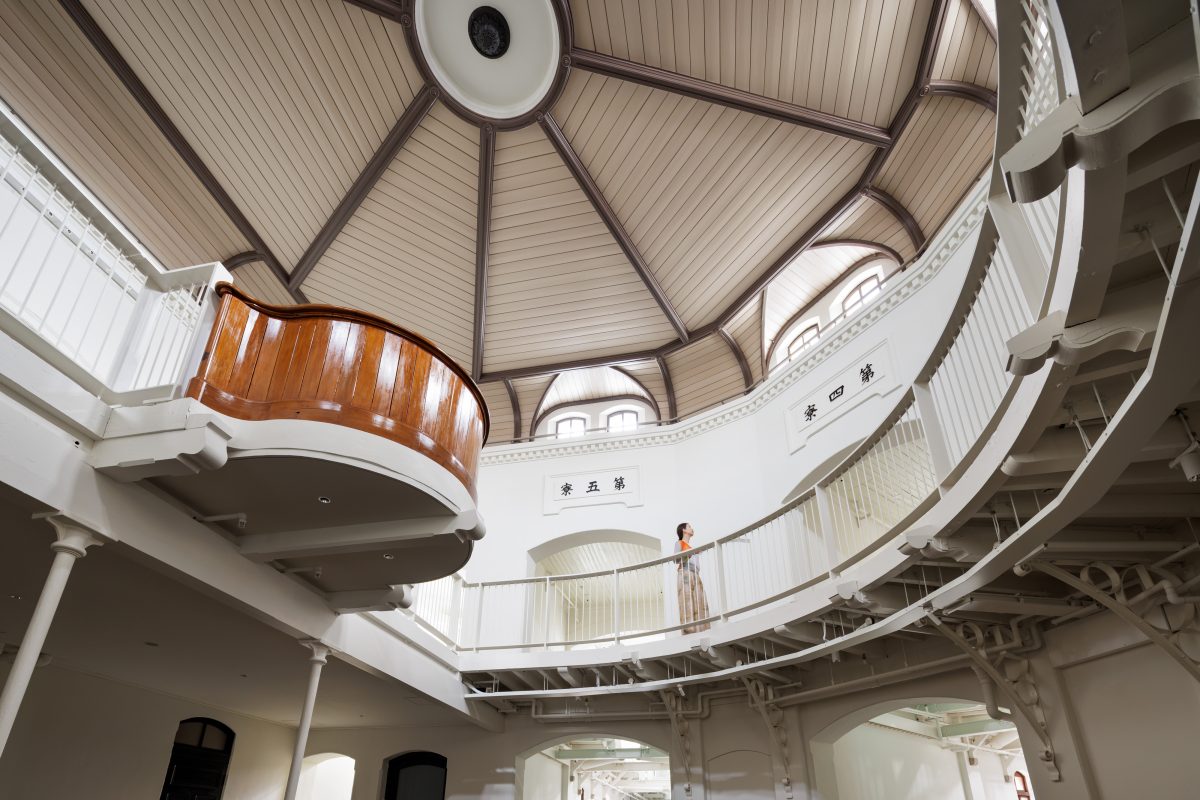
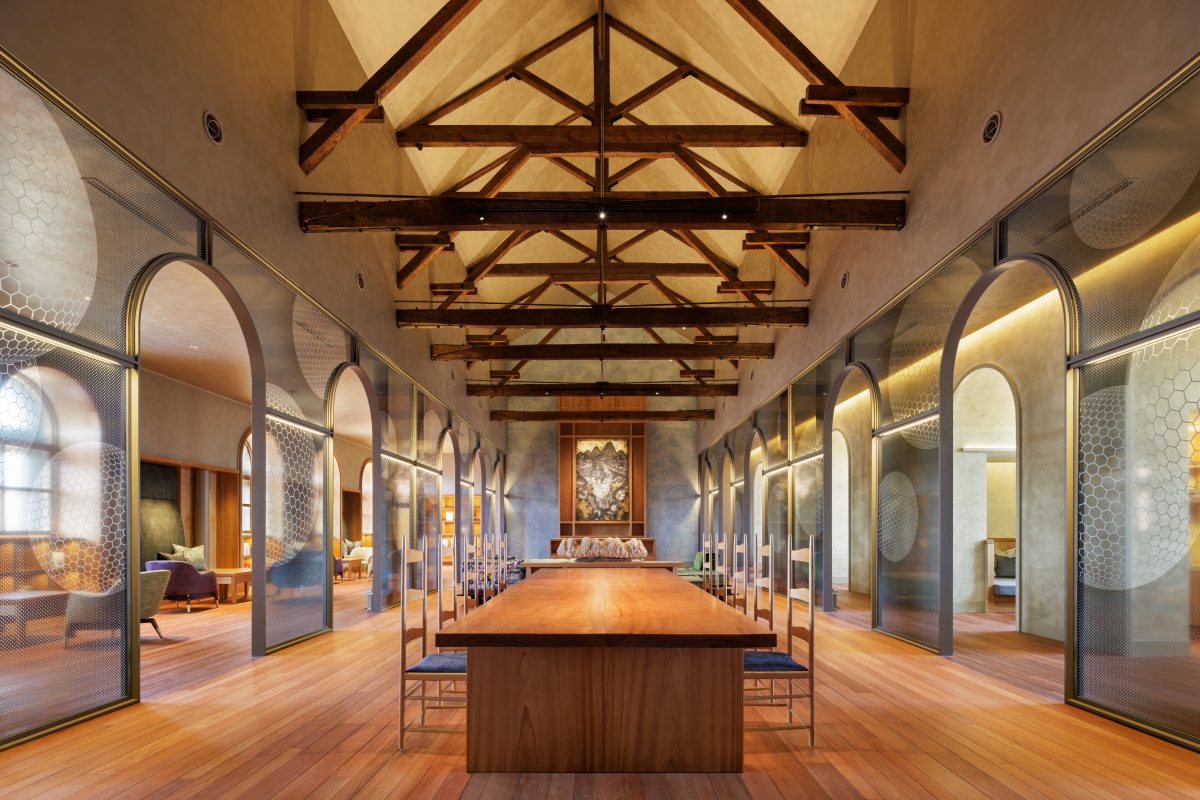
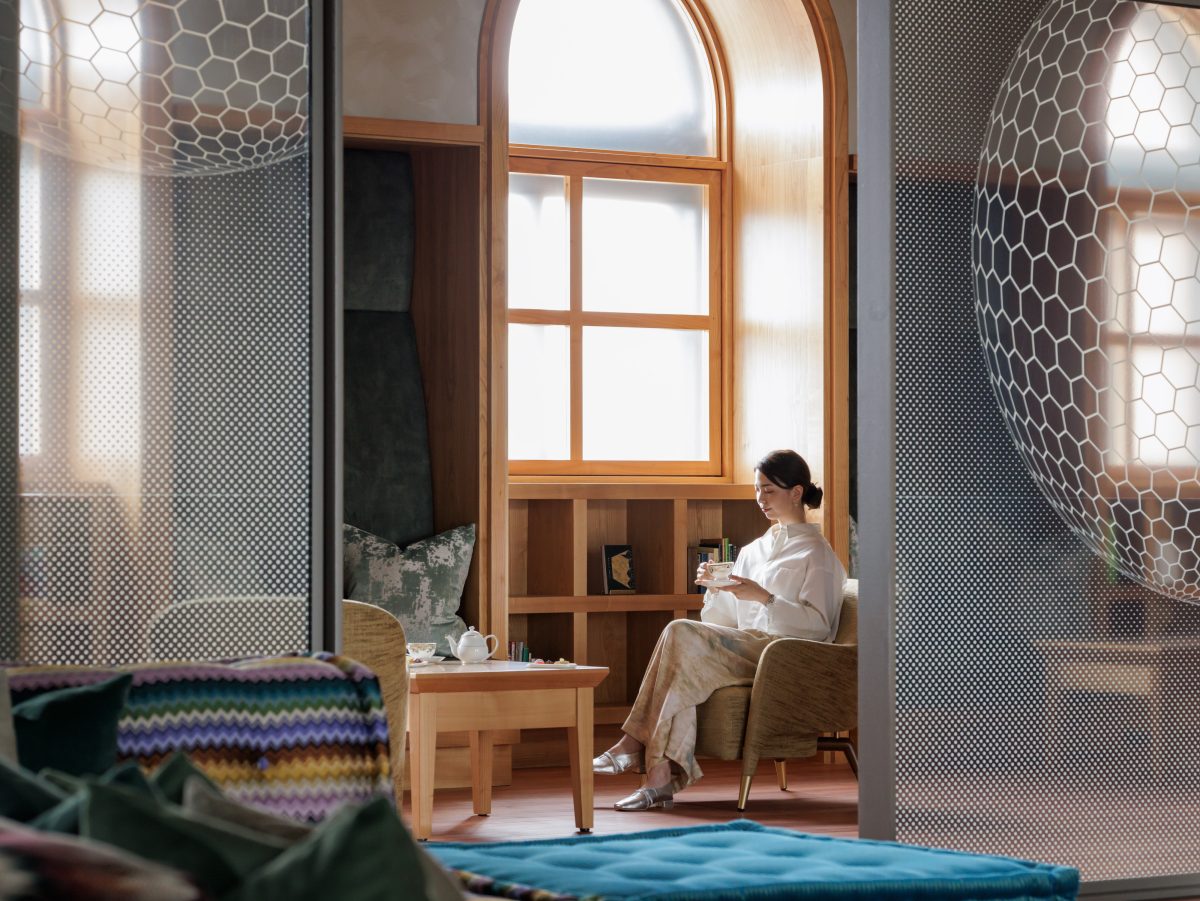
The main lounge is characterized by its open atrium space. Its ceiling features a series of beams that retain the texture of the original structure, while continuous arches extending from the windows resonate throughout the space. While preserving the former structure, bold contemporary design transforms it into a refined environment. The era in which Western culture was eagerly adopted is reflected in the furnishings and art throughout the building. Large-scale artwork and European furnishings create a refined and welcoming atmosphere. Seasonal drinks and sweets are served throughout the day, complemented by a curated selection of travel and architecture books, creating an inviting setting for quiet reflection and relaxation.
Courtyard: A private terrace where history and modernity intersect, wind and sky
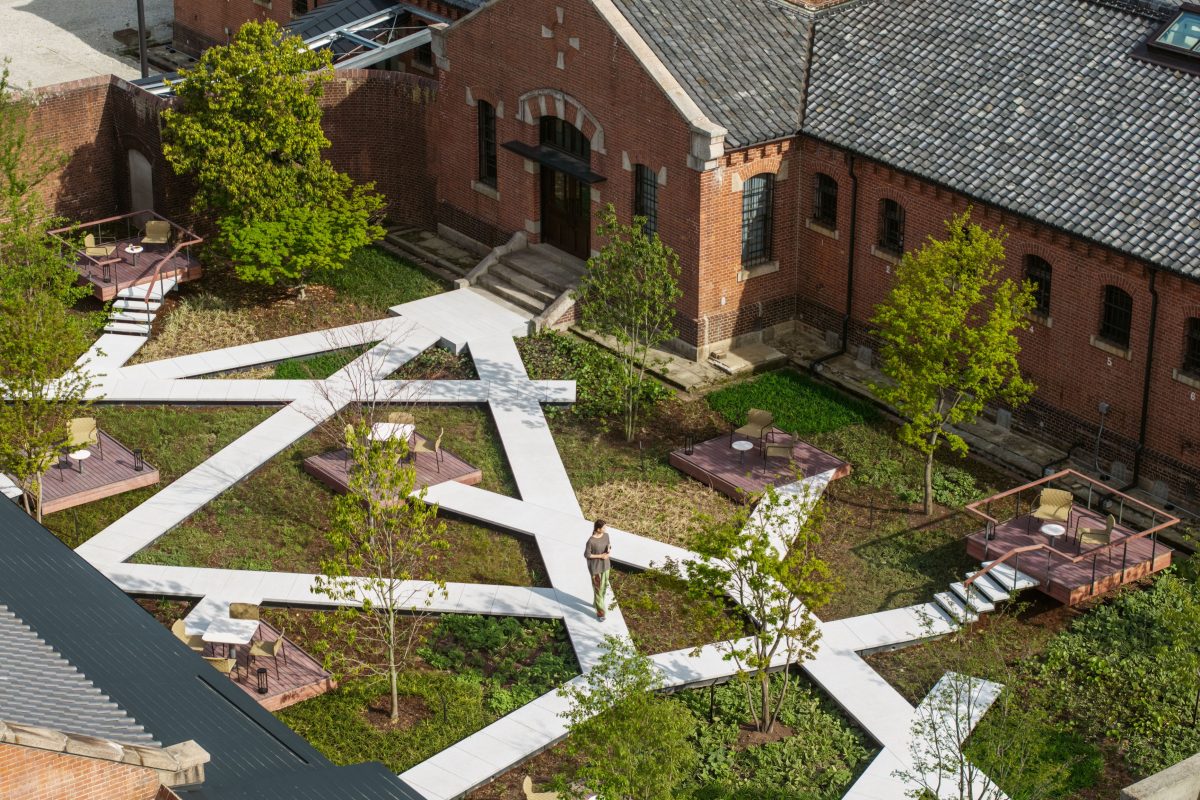
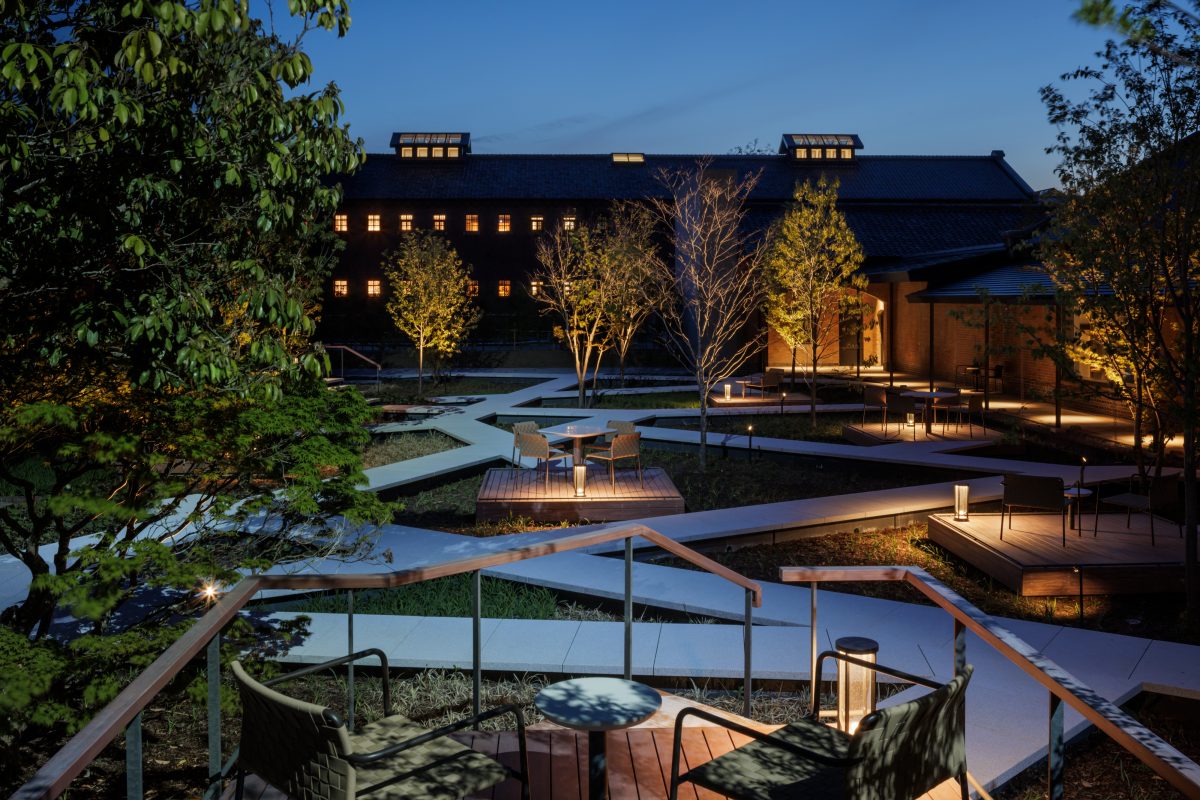
The courtyard, defined by geometrically arranged white walkways, features private decks that open toward the sky, creating a striking modern space. In the soft light of afternoon, guests can turn the pages of a favorite book or enjoy tea at their leisure. At night, a dreamlike illumination inspired by moonlight spreads across the space. The luxurious sense of pause and stillness that flows here offers an exceptional moment that can only be experienced by staying overnight.
Dining Lounge: A sophisticated social space to enjoy the night
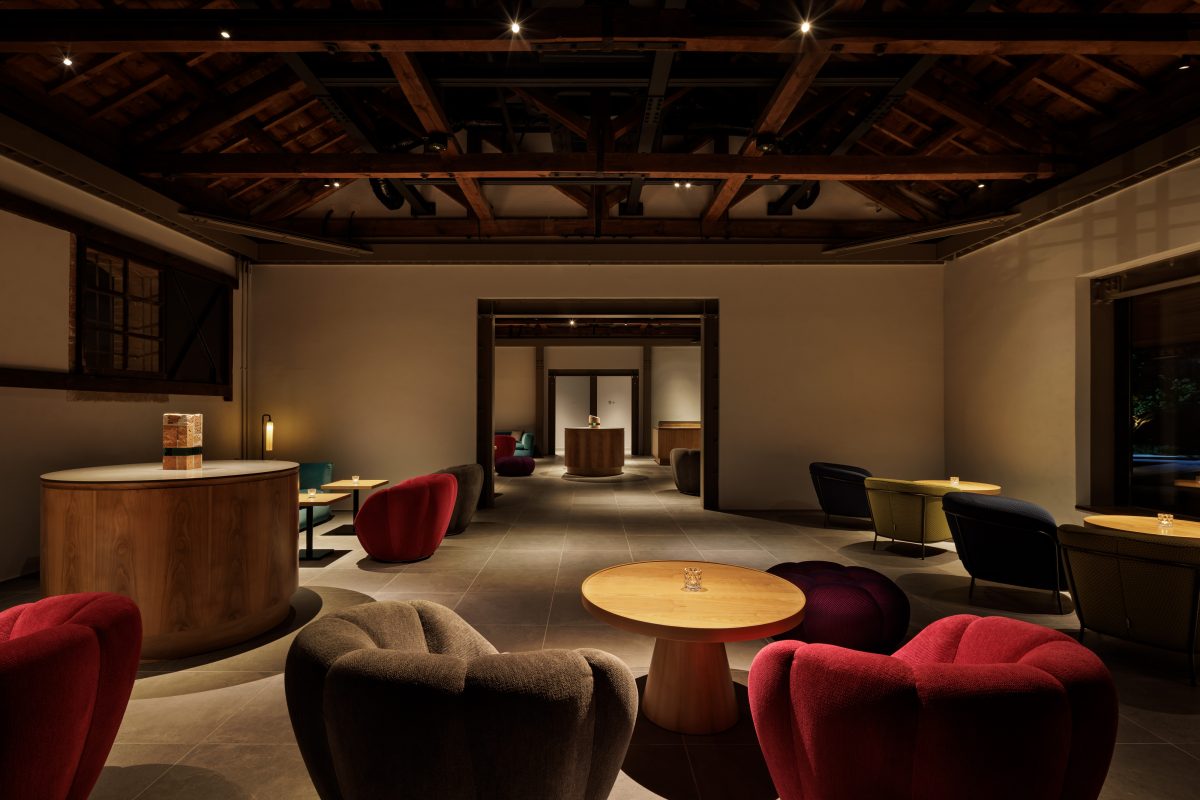
The “Dining Lounge” offers aperitifs before dinner and bar time late into the night. While inheriting the atmosphere of traditional Japanese storehouses, large windows have been boldly introduced, creating an open space where indoors and outdoors merge. Overlooking the lush greenery of the courtyard and the beautifully illuminated nighttime scenery, this space embodies the luxurious passage of time and creates an elegant social atmosphere where adults gather.
■ Dining: A Gastronomic Journey Through Japan’s Modernization
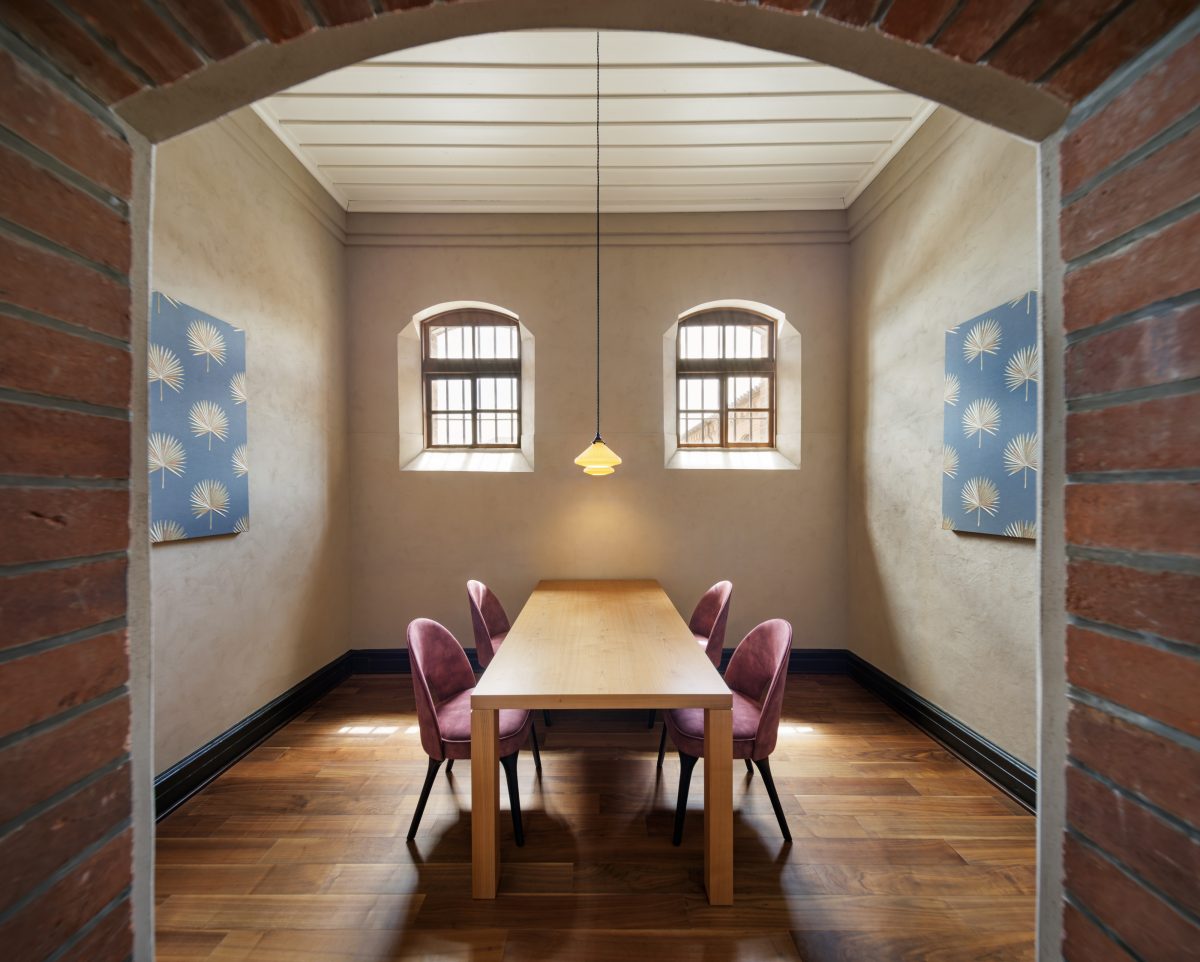
Housed in a separate building transformed from former solitary cells and meeting rooms, the dining venue features semi-private dining spaces accommodating up to six guests. High-positioned windows catch the gentle morning sunlight and frame the night sky, offering an unhurried, private gastronomic experience.
Dinner: Gastronomy Chronicle
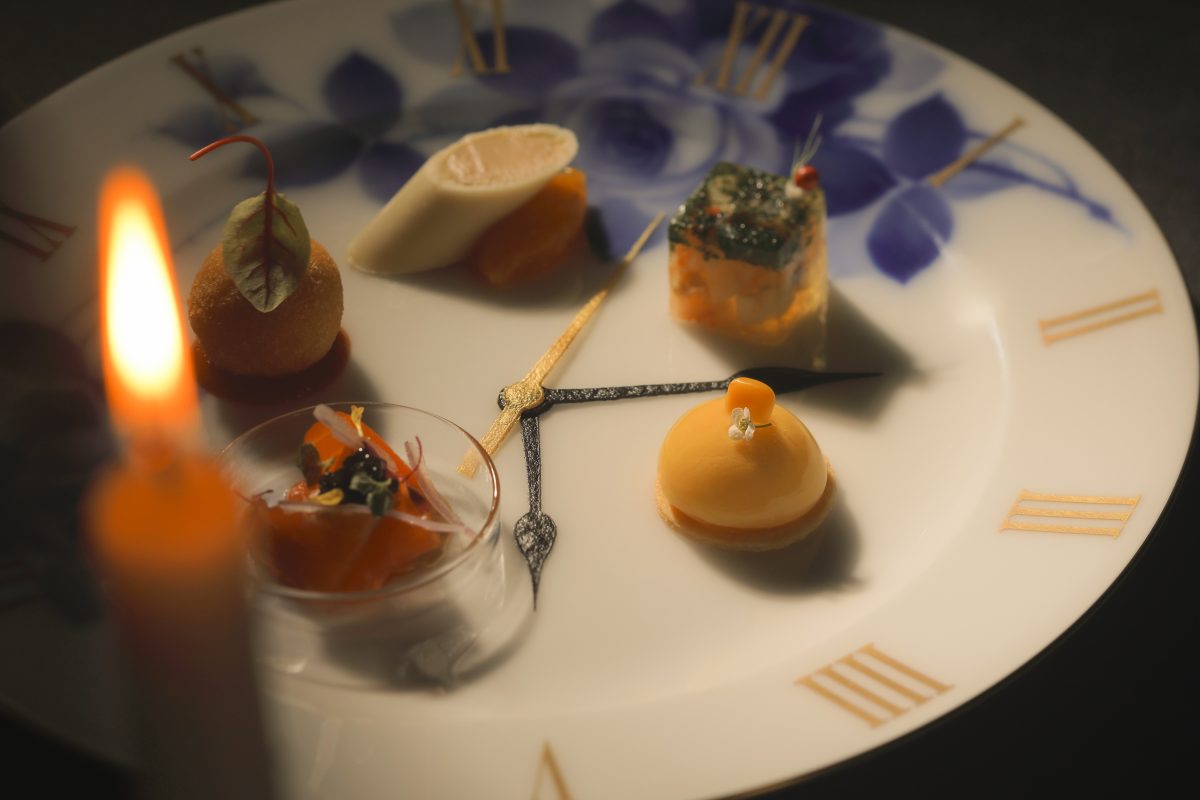
Dinner presents “Gastronomy Chronicle”, a tasting menu that traces the lineage of French cuisine in Japan. Across four courses themed “Early Development”, “Maturity”, “Modern Day”, and “Future”, the history of gastronomy is woven into a culinary narrative. The experience begins with an aperitif in the dining lounge, before moving to a private table setting that evokes the “Early Development” period, when new cultures and eras were emerging. Western-style cuisine as it spread in Japan at the time—known as yōshoku—is presented as a full-course experience in bite-sized form.
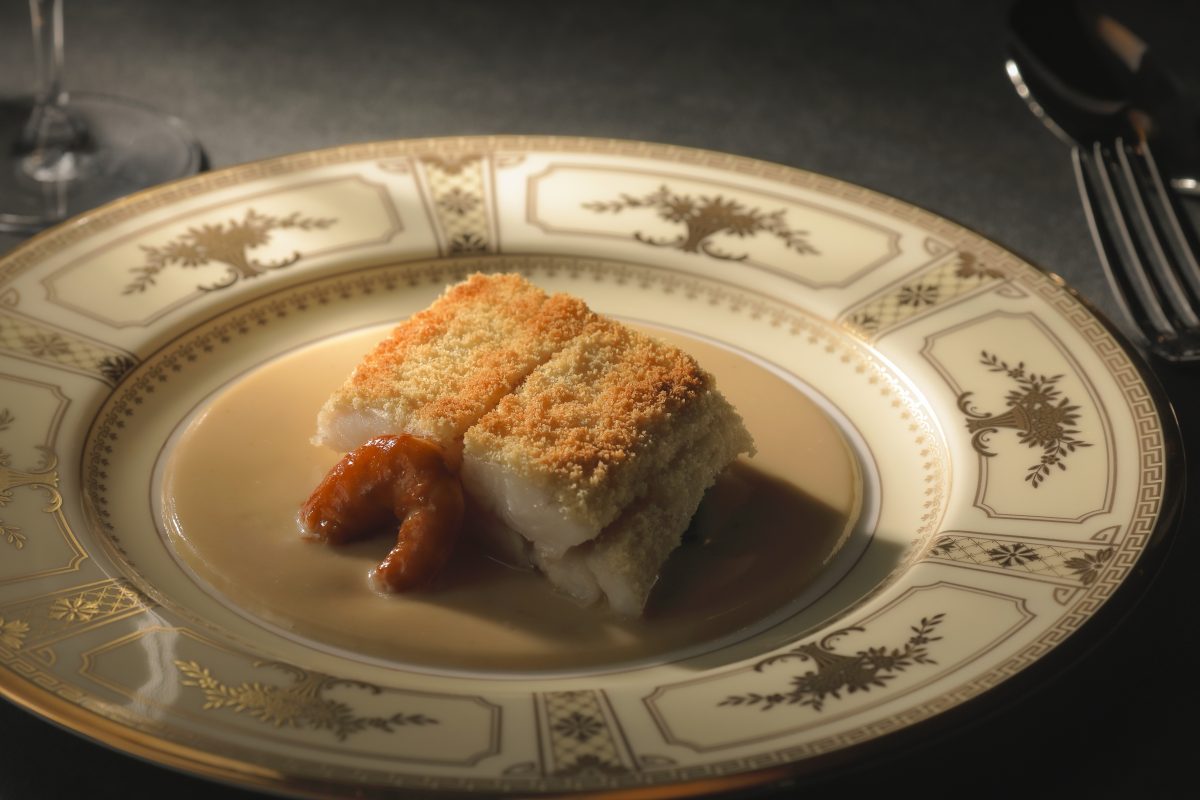
The following “Maturity” course features a braised sole prepared with sauce Albert, emblematic of classical French cuisine in Japan. The rich depth of the reduced sauce and the delicately cooked, moist sole create a sublime harmony. This is followed by an innovative meat dish representing “Modern Day”, and a dessert embodying “Future” that conveys sustainable intentions. Throughout the experience, subtle humor is interwoven into the presentation, allowing guests to enjoy a gastronomic journey through time.
Breakfast: Meiji-style Breakfast
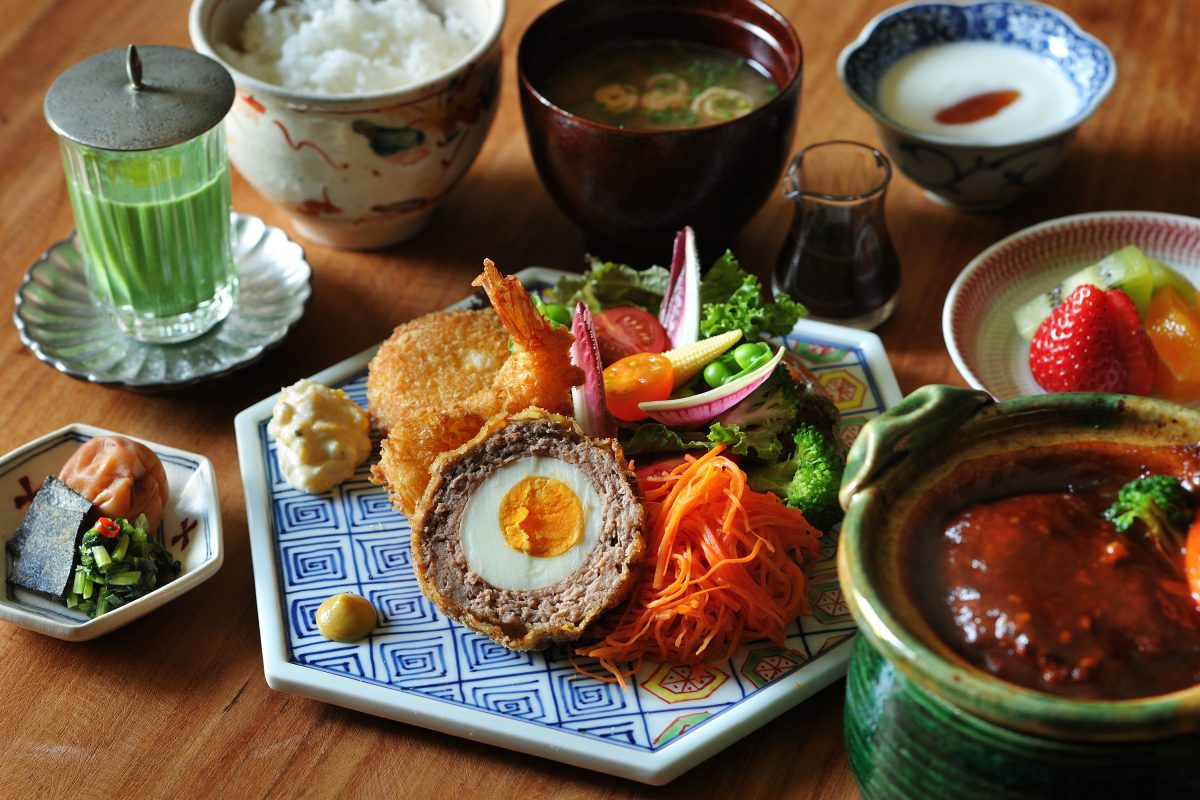
The signature breakfast offers a taste of the Western-style food culture that arrived during the Meiji period. Tracing the origins of modern staples, it features small, carefully composed portions of dishes like a Scotch egg served with Worcestershire sauce (once prized as "Western-style soy sauce"), crab cream croquettes, and fried shrimp. Alternatively, guests can opt for a traditional Japanese breakfast, a standard Western breakfast, or a light takeaway breakfast consisting of yoghurt and fruit.
Breakfast Options:
・Meiji-style Breakfast: JPY 6,380
・Japanese or Western Breakfast: JPY 4,800
・Light Breakfast Items: A la carte (e.g., mini croissant JPY 250)
Hours & Conditions: 7:00–9:30 (Exclusive to hotel guests; reservation required)
■ Activities: Cultural and Sensory Experiences
HOSHINOYA Nara Prison introduces exclusive, time-aligned activities designed to foster a deep dialogue with the history engraved within the property.
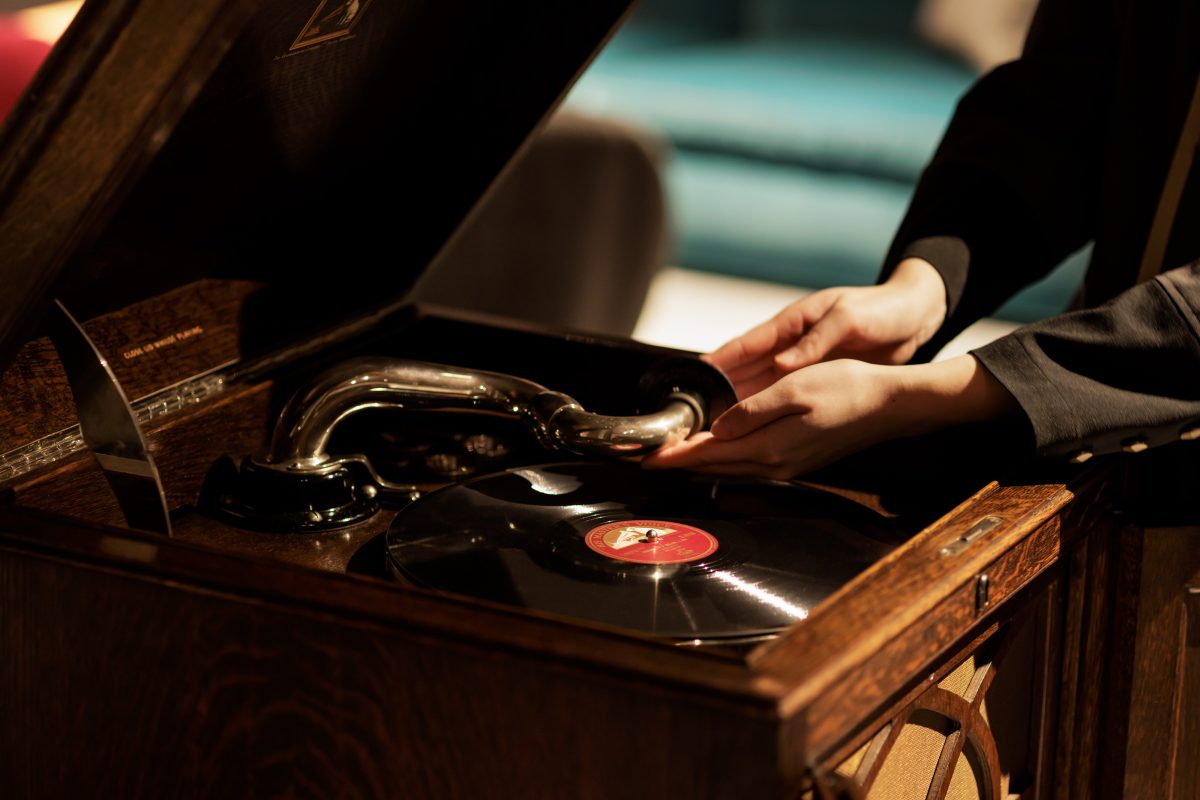
・Akane Tea Salon (15:00–16:30 | Main Lounge | Complimentary): Akane is the traditional Japanese name for the rich hue of madder red. Inspired by this beautiful color, this welcoming hospitality experience features aromatic Wakōcha (Japanese black tea) sourced from Tsukigase, Nara. Served in elegant Japanese-made tea sets in homage to the Meiji era's introduction of Western tableware, the experience is beautifully paired with complementary sweets and enriched by historical curation from the hotel staff.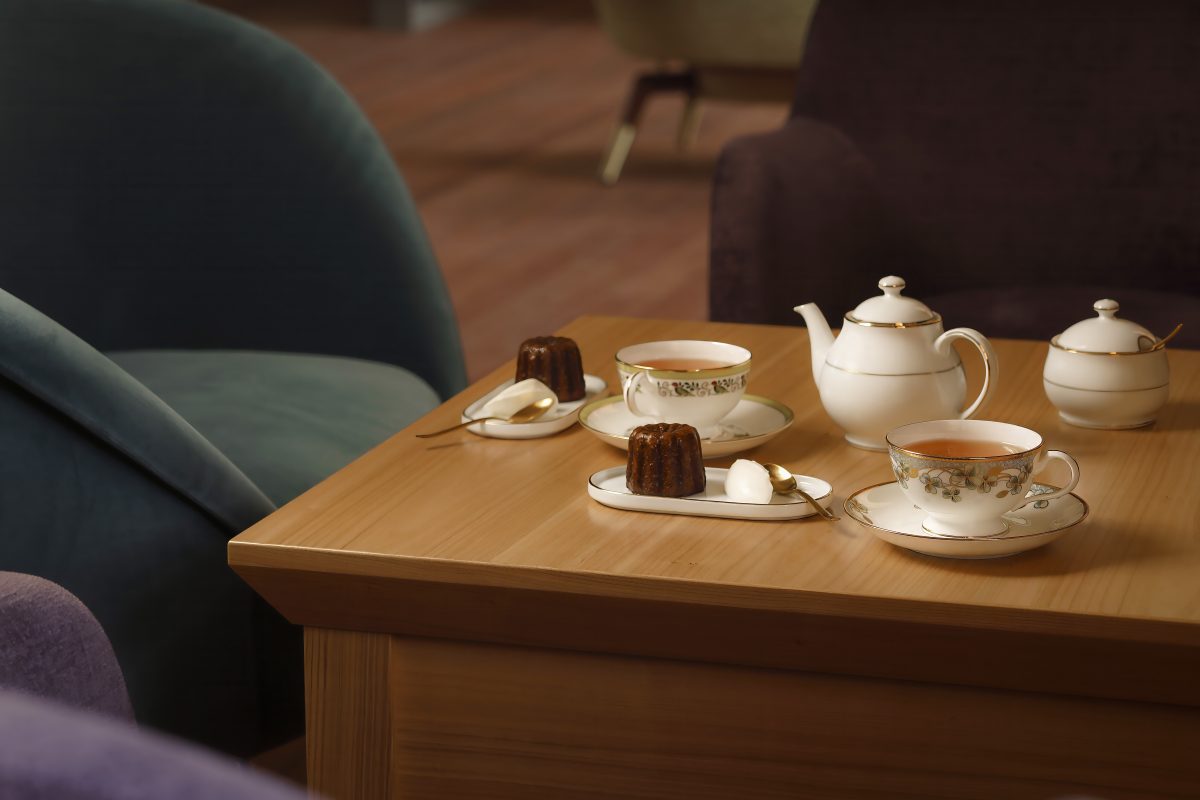 ・The Gramophone Soirée (21:00–22:30 | Dining Lounge | Free entry, some items chargeable): An adult social hour dedicated to the nostalgic sounds of a vintage gramophone. Guests can enjoy fine spirits, cocktails, and champagne while experiencing the deliberate, elegant gestures of changing needles and winding the device.
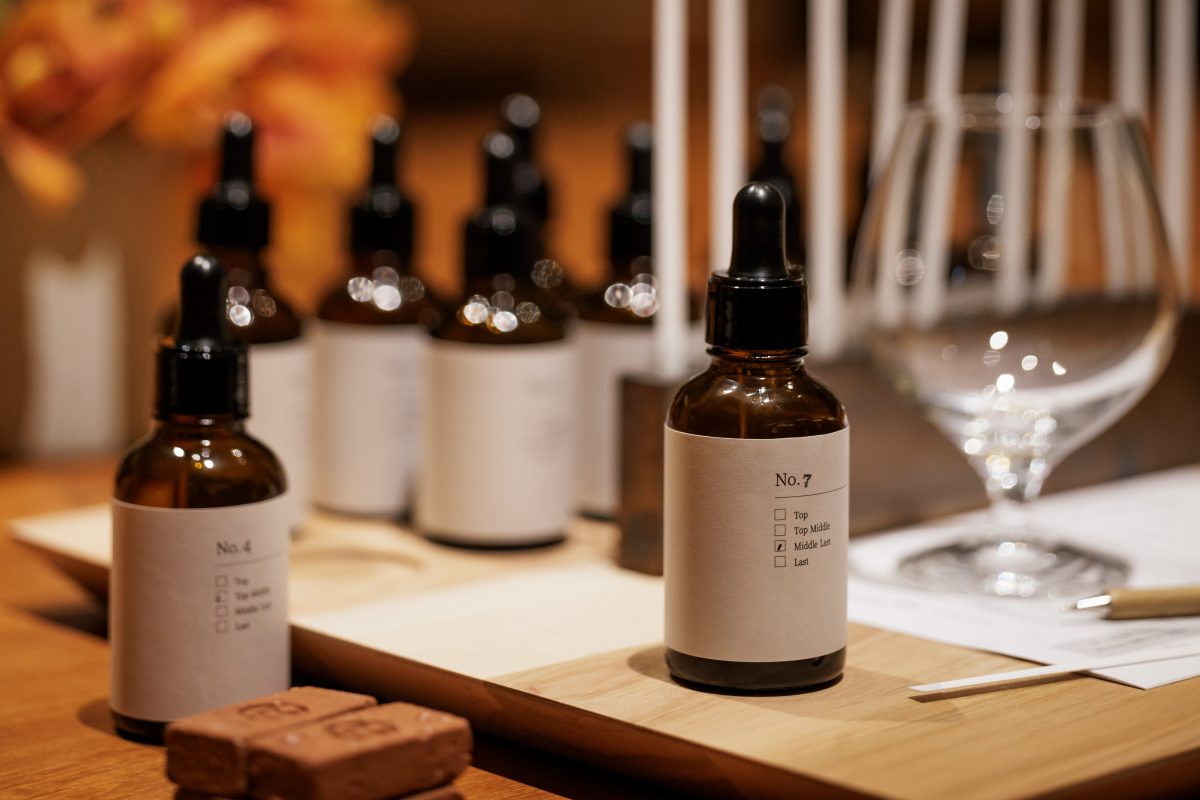
 ・Evening Fragrance Blending (21:30–22:30 | Main Lounge | JPY 12,100 | Reservation required): A fragrance-blending experience celebrating the perfume culture brought to Japan during the Meiji period. Guests create a bespoke fragrance that evolves over time and receive an original, brick-inspired terracotta diffuser gift box to take home.
 ・Morning Dumbbell Exercise (7:00–7:30 | Museum Plaza | Complimentary | Reservation required, max 10 guests): A refreshing start to the day drawing from the Meiji-era concept of "physical culture" introduced for health. Guests perform gentle deep breathing and stretches using custom dumbbells crafted from local Yoshino cedar.
■ Nara Prison Museum Connected via an Exclusive Hotel Guest Pathway
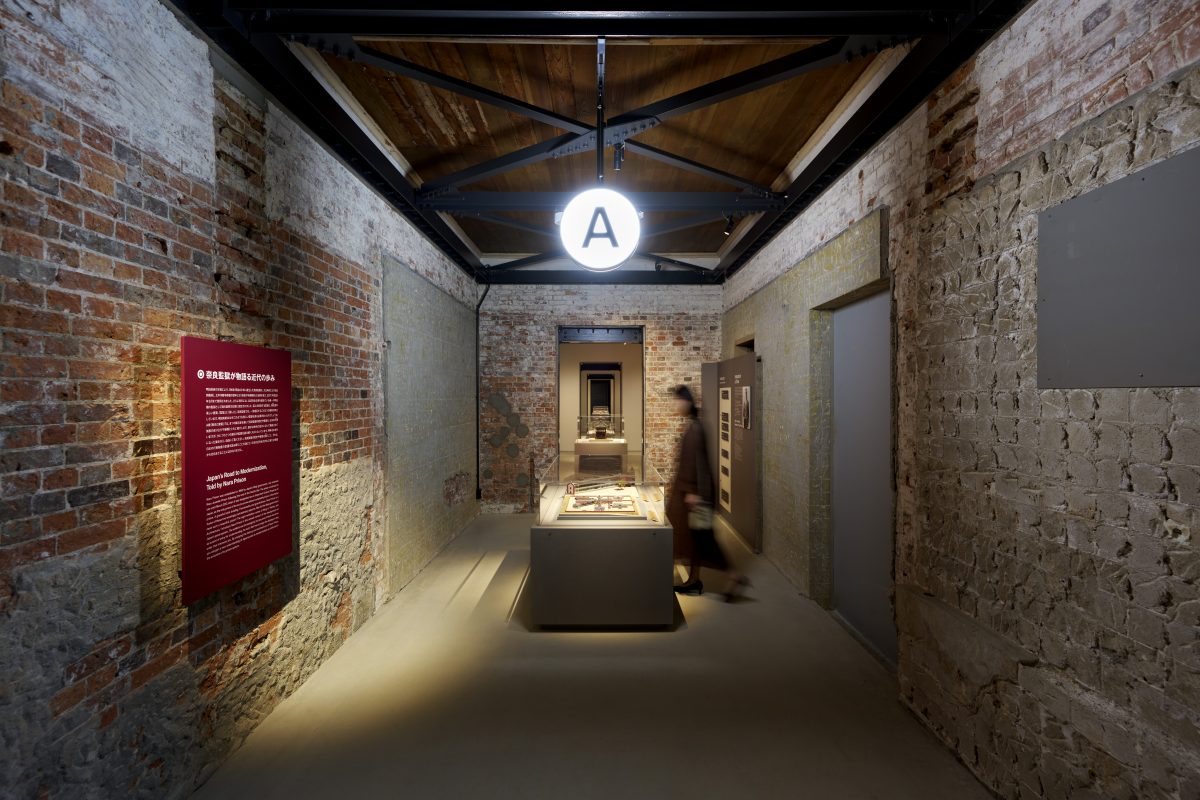
Located on the grounds, the Nara Prison Museum by Hoshino Resorts showcases the historical value and architectural significance of the former Nara Prison through design-led interpretation. Driven by the concept "An Eternal Question Posed by an Iconic Prison," the museum utilizes design and art to examine the prison’s layered history and its relationship to society through curated exhibitions, offering fresh perspectives that challenge everyday perceptions.
An exclusive pathway connects the hotel directly to the museum, granting overnight guests unlimited, complimentary access during standard hours (9:00–17:00). Furthermore, select areas of the museum are open exclusively to hotel guests during early morning (6:00–8:30) and late evening (18:00–23:00) hours, allowing for a profoundly quiet and immersive engagement with heritage.
■ Comments from The Architectural and Visionary Team Behind the Regeneration
The adaptive reuse and preservation of the Former Nara Prison brought together a cross-disciplinary team of experts tasked with balancing structural integrity with high-end hospitality:
・Hotel Architectural Design: Rie Azuma (CEO, Azuma Environmental Architectural Research Institute) – “I was thrilled by the rare opportunity to renovate the former Nara Prison, an Important Cultural Property from the Meiji era, into a HOSHINOYA property. When I visited the site for inspection, I was struck by the spatial composition, where five wings extend from a central guardhouse, and was amazed that such a beautiful space had been created as a prison during the Meiji era. While considering how to express the essence of HOSHINOYA while respecting the value of this cultural property, I came to feel that the space already possessed a sense of “extraordinary experience,” and that it would be sufficient to enhance and highlight its inherent beauty through design.
We aim to preserve the memory of how the Japanese of the time engaged with unfamiliar Western culture, while creating a space where modern guests can enjoy a comfortable stay. Structural steel reinforcements for the brick construction were carefully designed to avoid a heavy or industrial appearance, and features such as vaulted ceilings and bricks revealed from beneath plaster were preserved as elements that cannot be replicated today. In addition, as a space influenced by Western culture, European furniture is used for the first time in a HOSHINOYA property, expressing a Western-style residence designed by Japanese architects.”
・Landscape Design: Hiroki Hasegawa (Design Partner, On-Site Planning and Design Office) – “When I first visited the site, I felt that, given its unique nature as a prison and its status as a cultural property, it was difficult to find a starting point for introducing a new function such as a hotel. The turning point came when I realised that, within the prison walls, the landscape design field could be understood as the “outside within.” Compared to the fully enclosed “inside within” spaces (such as solitary cells), this “outside within” space inevitably allowed a sense of the external world to seep in.
The vast, open spaces that once served security purposes have been preserved as much as possible, while fragments of the outside world—carefully maintained landscapes—have been introduced in selected areas. These fragments create a contrast between inside and outside, while also serving as a method of integrating the hotel’s stay experience into the cultural property. I hope guests will experience a stay that allows them to feel the “outside world” that once may have been imagined.”
・Lighting Design: Masanori Takeishi (Director, ICE Urban Environmental Lighting Institute) – “When I was first invited to this project, I felt that while it was an important group of modern heritage buildings, the challenge was how to reconcile the prison’s dark historical image with the hospitality of HOSHINOYA. However, after my initial site visit, I felt that if we could express, through contemporary lighting, the beauty of Japan’s modern heritage and the period when electric lighting was first introduced.
In the lighting design, depth and spatial richness are created through indirect lighting. In addition to evoking early modern lighting concepts, we used handcrafted ceramic lighting fixtures and techniques such as suggesting the presence of distant moonlight in the courtyard. I believe we have been able to create a lighting atmosphere that both preserves the cultural property and expresses the distinctive ambience of HOSHINOYA.”
・Cultural Property Conservation & Renovation: Yoshihiko Sano (CEO, Yasui Architects & Engineers) – “The conversion of the former Nara Prison, an Important Cultural Property, into a hotel was the first project of its kind in Japan and represented a major technical challenge. When I visited the site, I was overwhelmed by the sense of mission of the Meiji government and the passion of the craftsmen, and I recall being deeply moved, determined that we must make this project a success at all costs.
In this project, we placed the highest priority on preserving the cultural and historical value of the property, carefully considering how to retain the building’s original charm while integrating seismic reinforcement and hotel facilities. Through extensive coordination among diverse stakeholders and the sharing of essential values to be preserved, we were able to successfully achieve a balance between the building’s heritage and its new function as a hotel.
We hope guests will reflect on the era of the Meiji period through the texture and fine craftsmanship of the building materials. Time spent in such a carefully preserved architectural space will undoubtedly be an exceptional experience.”
■ Hoshino Resorts’ 2026 Brand Growth
The opening of HOSHINOYA Nara Prison comes amid a period of continued growth for Hoshino Resorts. In 2026 alone, the company will expand its portfolio with several notable openings, including KAI Kusatsu in Gunma Prefecture, KAI Miyajima in Hiroshima Prefecture and KAI Zao in Yamagata Prefecture, further strengthening its collection of hot spring ryokan experiences across Japan. Looking ahead, the company is also preparing to open HOSHINOYA Asuka in Nara Prefecture in 2027. These developments reflect Hoshino Resorts' ongoing commitment to creating distinctive hospitality experiences that celebrate the culture, history, and natural character of each destination.
■ Property Overview
Property Name: HOSHINOYA Nara Prison
Location: 18 Hannyaji-cho, Nara City, Nara Prefecture
Phone: 050-3134-8091 (HOSHINOYA reservation center)
Number of Rooms: 48 rooms (Check-in 3:00 PM / Check-out 12:00 PM)
Facilities: Guest rooms, reception, main lounge, restaurant, dining lounge
Ancillary Facilities: Nara Prison Museum by Hoshino Resorts (Available for day use)
Access: 10 minutes by car from JR Nara Station, 6 minutes by car from Kintetsu Nara Station
Opening Date: June 25, 2026
Reservation Acceptance: January 20, 2026
Price: From ¥147,000 per night (per room, includes tax and service charge, meals excluded)
URL: https://hoshinoresorts.com/en/hotels/hoshinoyanarakangoku/
■ About HOSHINOYA
~Luxury hotel embodying the true characteristics of land, history, and culture~
HOSHINOYA is an accommodation with distinct themes, conceptualized from each location's land, history, and culture. Woven into these distinct themes is our attention to detail in every aspect from the design to hospitality; contributing to the creation of a one-of-a-kind world of HOSHINOYA. Enrich the heart with the epiphanies of travel through a unique stay experience.
Brand Homepage: https://hoshinoresorts.com/en/brands/hoshinoya/
Brand PR Video: https://www.youtube.com/watch?v=KX5MwE8pALQ
■ About Hoshino Resorts
Established as a Japanese inn/ryokan in 1914 in Karuizawa in Nagano Prefecture, Hoshino Resorts has evolved into a highly influential hotel management company run by 4th-generation family member, Yoshiharu Hoshino. Providing a unique experience focused on the local charms of each destination and a high level of omotenashi, Japanese-style hospitality, Hoshino Resorts now operates 70 accommodations both in and outside Japan in the following categories: luxury hotel brand “HOSHINOYA,” hot spring ryokan brand “KAI,” countryside resort hotel brand “RISONARE,” city tourism hotel brand “OMO,” free-spirited hotel brand “BEB,” mountain lodge brand “LUCY”, or other unique lodgings.


 Best Rate Guaranteed